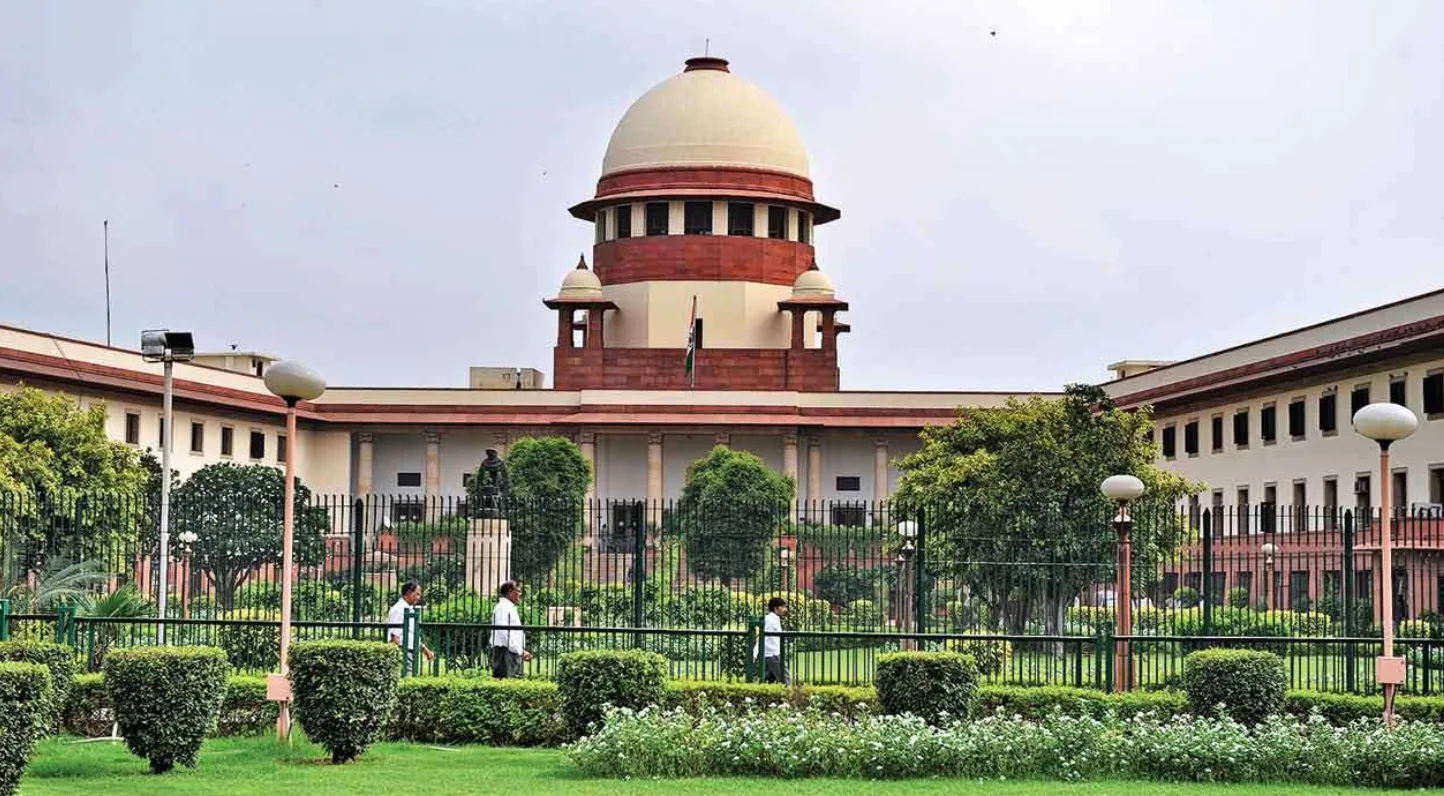
The Supreme Court of India has struck down the Karnataka Civil Services (Validation of Selection and Appointment of 2011 Batch Gazetted Probationers) Act, 2022, declaring it unconstitutional. In Srinivasa T. v. State of Karnataka & Others, a Bench comprising Justice J.B. Pardiwala and Justice K. Vinod Chandran held that the legislature cannot directly annul final judicial decisions through subsequent legislation.
The dispute originated in a 2011 recruitment notification for 362 Group A and Group B gazetted probationer posts in Karnataka. Following complaints of irregularities, an investigation revealed serious concerns involving manipulation, corruption and nepotism in the selection process. The State cancelled the recruitment, and the cancellation was subsequently upheld by the Karnataka High Court and the Supreme Court.
In 2022, the Karnataka legislature enacted the Karnataka Civil Services (Validation of Selection and Appointment of 2011 Batch Gazetted Probationers) Act to validate the selection and appointments. The legislation sought to address the hardship faced by candidates whose appointments had been affected by the cancellation. However, its constitutional validity was challenged before the courts.
The Supreme Court held that although a legislature may retrospectively amend a law and remove the legal basis of a judicial decision, it cannot simply override or annul a final judgment without addressing the underlying legal basis on which that judgment was delivered. Since the earlier recruitment had been invalidated because the entire selection process was tainted, the 2022 legislation could not lawfully revive it.
The Court further held that appointments made under the unconstitutional legislation could not continue. It declined to restart the old recruitment process, considering the substantial passage of time since the original selection.
Instead, the Court directed the Karnataka Government to initiate fresh recruitment for the vacant Group A and Group B posts under the currently applicable recruitment rules. A one-time age relaxation is to be provided to specified candidates, including eligible candidates from the earlier selection, the appellants and petitioners in pending proceedings before the Karnataka Administrative Tribunal.
The Court clarified that candidates selected through the fresh recruitment would receive seniority only from their new appointment dates and would not be entitled to back wages or notional appointment for the earlier period. For serving candidates who are selected again, their previous service will be counted for pension and retirement benefits, as directed by the Court.
The ruling reinforces the constitutional limits on legislative power and the principle that final judicial decisions cannot be nullified merely by enacting legislation intended to reverse their effect.