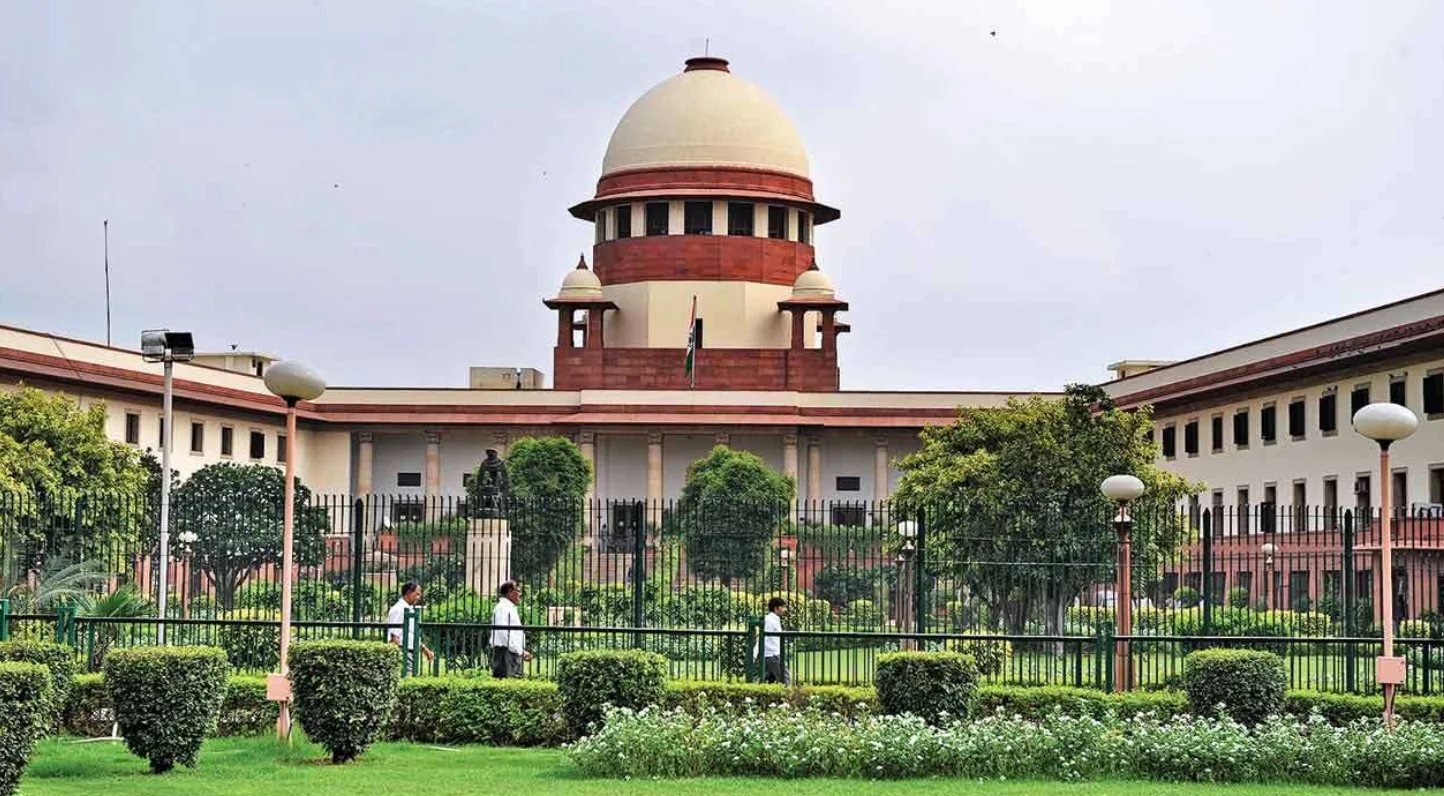
New Delhi, October 27, 2026: The Supreme Court of India has issued notice to the Union government on a petition filed by the Digital News Publishers Association (DNPA), challenging provisions of the Digital Personal Data Protection Act, 2023, and the Digital Personal Data Protection Rules, 2025. The association argues that the framework could undermine press freedom, investigative journalism and the confidentiality of journalistic sources.
The petition represents 21 news publishers, including prominent media organisations such as The Hindu, The Indian Express, India Today, NDTV and Network18. The association has questioned the absence of a specific exemption for journalistic activities, arguing that applying general personal-data obligations to news reporting could make investigations into matters of public interest substantially more difficult.
Concerns over consent and investigative reporting
According to the petitioners, requirements relating to notice and consent could create practical obstacles for journalists investigating corruption, corporate misconduct and the actions of public officials. Alerting the subject of an investigation before processing relevant personal information could, they contend, risk the destruction of evidence, intimidation of witnesses or obstruction of reporting.
The association has also raised concerns about provisions allowing individuals to withdraw consent and seek the erasure of personal data. It argues that, without appropriate safeguards for public-interest journalism, such provisions could expose publishers to demands to remove or substantially alter previously published factual reports.
Confidential sources and government powers
Another major issue concerns Section 36 of the DPDP Act, read with Rule 23 and the Seventh Schedule of the 2025 Rules. The petitioners challenge the government's power to require information from organisations handling personal data, arguing that the framework lacks adequate safeguards and could expose confidential journalistic sources or communications between reporters and informants.
The DNPA has also questioned the breadth of government powers to restrict public access to information, as well as the institutional safeguards governing the Data Protection Board. These objections form part of the association's broader constitutional challenge to several provisions of the Act and Rules.
Right to Information and constitutional concerns
The petition further challenges Section 44(3) of the DPDP Act, which amended Section 8(1)(j) of the Right to Information Act, 2005. The association argues that the amendment could restrict access to personal information even where disclosure may be relevant to public accountability and matters of public interest.
The publishers rely on constitutional protections, including freedom of speech and expression under Article 19(1)(a) and the right to equality under Article 14. Their challenge raises questions about how statutory data-protection obligations should be reconciled with investigative journalism, public-interest reporting and the public's right to know.
Supreme Court proceedings
A bench comprising Chief Justice of India Surya Kant and Justices Joymalya Bagchi and V. Mohana issued notice to the Union government on October 27, 2026, including on the association's request for interim relief. The Court emphasised the need to balance the rights of individuals to privacy with the media's ability to investigate and report.
The Court has not, at this stage, finally ruled on the constitutional validity of the challenged provisions. The Union government will have an opportunity to respond, and the matter is scheduled for further hearing on November 17, 2026.
Why the case matters
The proceedings raise an important legal question: how can India protect individuals' digital personal data while preserving the ability of journalists to investigate wrongdoing and publish information in the public interest? The outcome could have significant implications for news organisations, whistleblowers, access to public information and the future operation of India's data-protection framework.
This report summarises the proceedings and the petitioners' contentions. The allegations remain subject to judicial consideration.