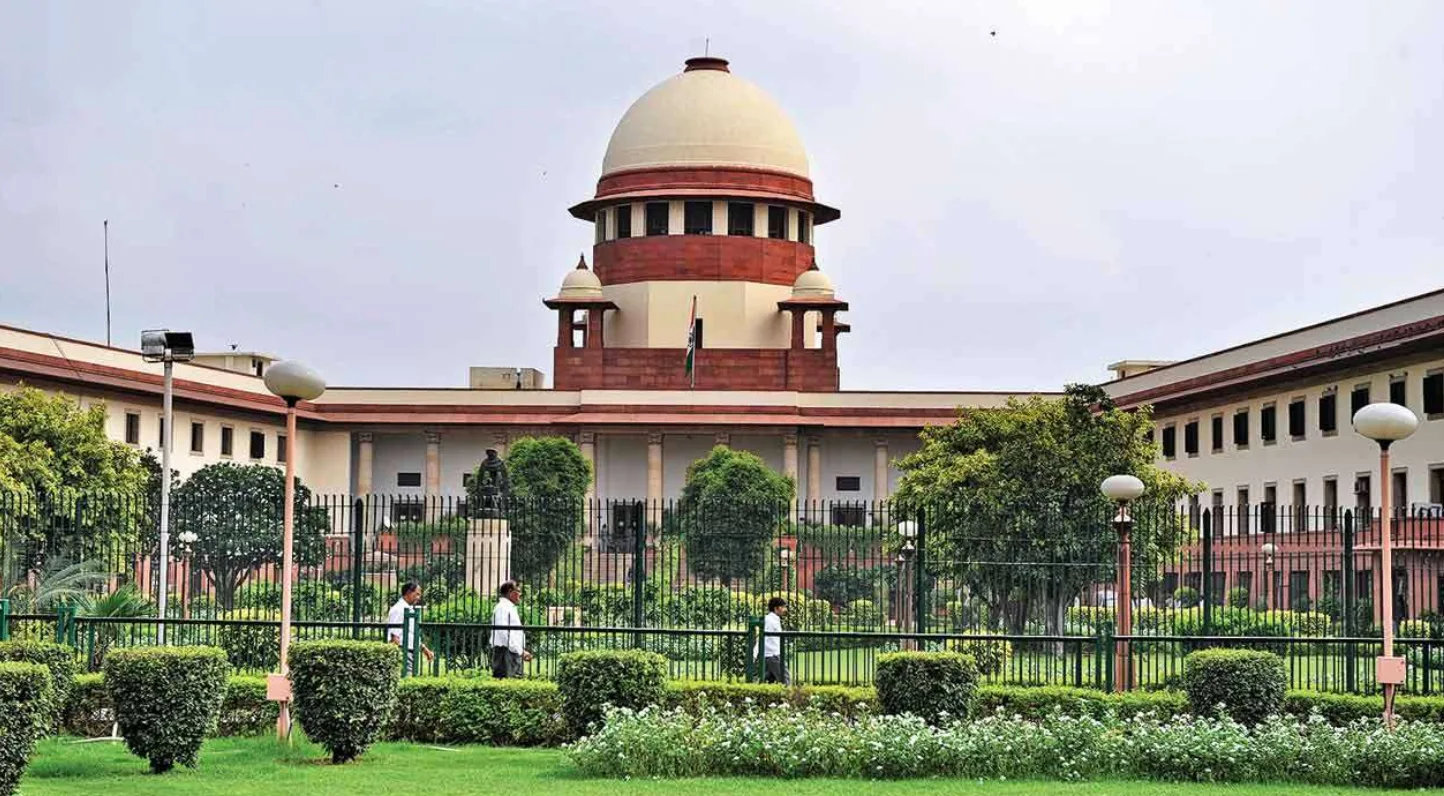
New Delhi, October 26, 2026: The Supreme Court of India has assured voters whose names were deleted during the Special Intensive Revision (SIR) of electoral rolls that they would not face prosecution for reapplying to register as voters. The assurance came during proceedings concerning the revision of electoral rolls in Maharashtra.
Supreme Court Hears Challenge to Maharashtra SIR
A three-judge Bench comprising Chief Justice of India Surya Kant and Justices Joymalya Bagchi and V. Mohana heard a petition filed by Arun Anandagiri challenging aspects of the SIR process in Maharashtra. The case, titled Arun Anandagiri v. Election Commission of India, is registered as W.P. (C) No. 1330 of 2026.
During the hearing, Senior Advocate Arvind P. Datar, appearing for the petitioner, raised concerns over the procedure being followed for voters whose names had been deleted from the draft electoral rolls. He argued that such voters were being directed to submit Form 6, which is ordinarily used for applications seeking inclusion in the electoral roll.
Concerns Over Form 6 and Possible Prosecution
The petitioner argued that requiring previously registered voters to apply as fresh electors could create legal uncertainty. Form 6 contains a declaration relating to an applicant's previous registration and voting status. According to the submissions, voters who had previously been enrolled could face apprehension about the consequences of making an inaccurate declaration.
The petitioner's counsel therefore urged the Court to consider a separate application procedure for voters whose names had been removed during the revision exercise. The argument highlighted the need for a clear mechanism through which eligible voters could seek restoration of their names without uncertainty over the applicable declarations.
Chief Justice Gives Assurance Against Prosecution
Responding to the concern, Chief Justice Surya Kant gave an oral assurance that affected voters would not face prosecution for reapplying. The reported exchange addressed the immediate apprehension raised regarding the use of Form 6 by voters whose names had been deleted.
The Bench also issued notice to the Election Commission of India, seeking its response to the challenge. However, the Court declined to grant interim relief at that stage, including the requested extension of the deadline for claims and objections or an order restraining publication of the final electoral roll before hearing the Commission.
What Happens Next?
The matter was listed for further hearing on November 5, 2026. The Election Commission's response and the subsequent proceedings will be relevant to determining how the broader challenge to Maharashtra's SIR process develops.
The Court's oral assurance should not be confused with a final judgment on the validity of the deletions, the entire SIR exercise, or the introduction of a separate application form. Those broader issues remain distinct from the immediate concern about prosecution raised during the hearing.
Legal Significance
The proceedings raise important questions about electoral administration, procedural fairness and the protection of eligible voters' ability to participate in elections. They also demonstrate the role of judicial scrutiny in addressing concerns arising from the implementation of electoral registration procedures.
The development is particularly significant for voters seeking clarification about the process for restoring their names to electoral rolls. The outcome of the pending proceedings may provide further clarity on the issues raised before the Court.
Case: Arun Anandagiri v. Election Commission of India
Case Number: W.P. (C) No. 1330 of 2026
Court: Supreme Court of India
Hearing Date: October 26, 2026
Next Hearing: November 5, 2026
Source: LiveLaw, The Indian Express and India Legal, reports dated October 26, 2026.