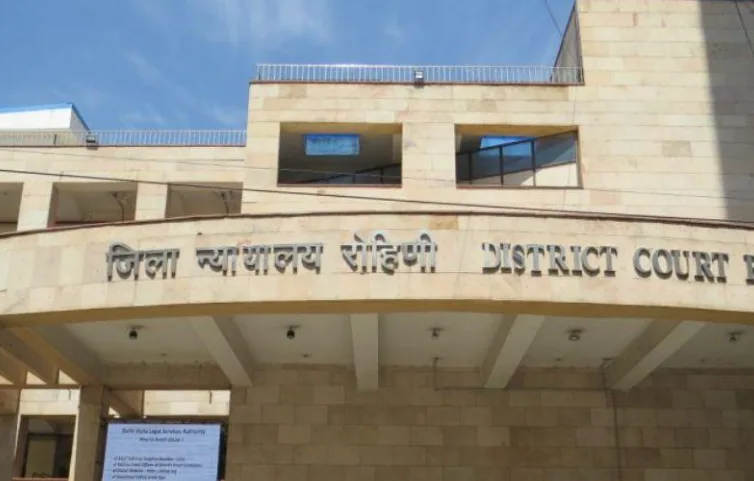
New Delhi, 26 October 2026: The Supreme Court of India has directed State governments, Union Territories and High Courts to ensure that women advocates have access to exclusive bar rooms, washrooms and other essential amenities in district, sub-divisional and taluka courts, irrespective of their numbers.
A three-judge Bench comprising Chief Justice of India Surya Kant and Justices Joymalya Bagchi and V. Mohana issued the directions while hearing Sarika Tyagi v. Union of India, a public interest litigation highlighting inadequate infrastructure for women advocates in court complexes across the country.
Facilities Must Be Provided Regardless of Numbers
The Court emphasised that the availability of dedicated facilities for women advocates is an obligation of State governments and High Courts. It made clear that the facilities must be provided wherever women advocates practise, even if additional land or funding is required.
The Bench directed that separate and exclusive women's bar rooms, proportionate to the strength of women advocates, must be provided along with washrooms and other basic amenities. It also directed State governments to allocate the necessary funds wherever such resources were not already available.
High Courts to Prioritise Implementation
The Supreme Court directed the building-cum-infrastructure committees of High Courts to take up the matter on priority and ensure that the required facilities are created in district and taluka courts.
The Court also stressed the importance of maintaining a reasonably uniform pattern of basic amenities across States and Union Territories. The directions seek to address disparities in the infrastructure available to women lawyers practising in different court complexes.
Attorney General to Coordinate Compliance
The Court appointed Attorney General R. Venkataramani as the nodal authority to coordinate compliance and compile progress reports from States, Union Territories and High Courts.
During the proceedings, the Court was informed that only 21 of the 69 respondents had submitted status reports. Submissions also highlighted continuing gaps in washroom facilities and dedicated bar rooms in several court complexes.
Connection with Constitutional Dignity
The issue extends beyond administrative convenience. Adequate workplace infrastructure is essential for women advocates to practise law safely, with dignity and on equal terms. In earlier proceedings in the same matter, the Supreme Court had observed that access to basic facilities within court premises bears a direct connection with the fundamental guarantee of life and dignity under Article 21 of the Constitution of India.
The latest directions reinforce the responsibility of public authorities to create appropriate working conditions for women in the legal profession, including at the district and taluka levels, where dedicated professional infrastructure may be limited.
What Happens Next?
The Court has directed the relevant authorities to coordinate implementation and report on the progress made. The matter is scheduled for further hearing on 2 December 2026.
The directions are significant for women advocates across India because they establish that the provision of exclusive bar rooms and essential amenities cannot be denied merely because relatively few women practise in a particular court complex.
Source: LiveLaw and Bar & Bench, 26 October 2026.