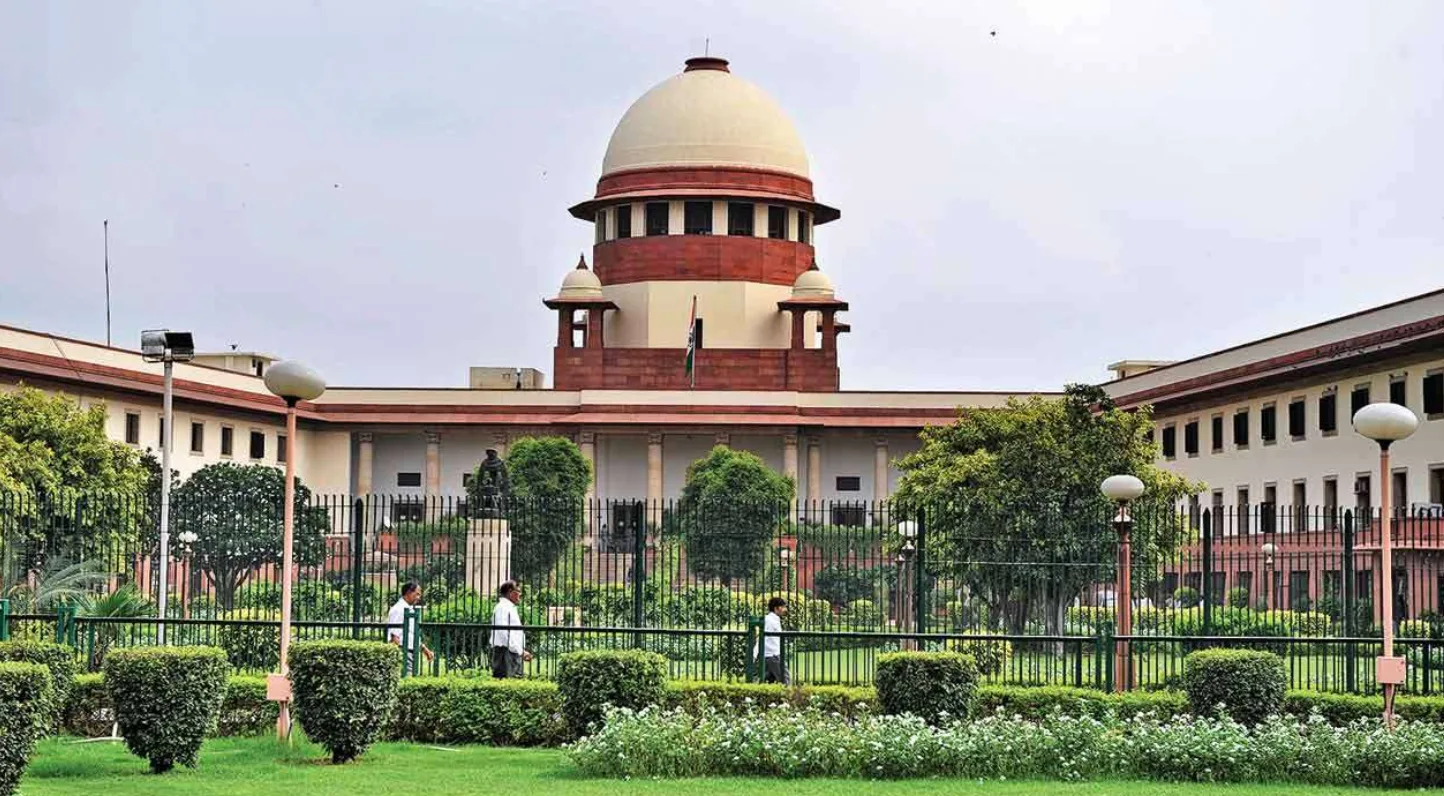
New Delhi, 27 October 2026: The Election Commission of India (ECI) has defended its decisions relating to the Special Intensive Revision (SIR) of electoral rolls before the Supreme Court of India. In a counter-affidavit filed in response to petitions concerning the functioning of Chief Election Commissioner Gyanesh Kumar, the Commission maintained that decisions relating to the exercise were taken unanimously by all three Election Commissioners.
ECI's Position on the Special Intensive Revision
The Commission argued that the SIR-related orders were issued in accordance with Article 324 of the Constitution of India and reflected collective decisions. It also disputed allegations that important decisions had been taken unilaterally without the knowledge or approval of the other Election Commissioners, Sukhbir Singh Sandhu and Vivek Joshi.
According to the ECI, observations, queries or notes recorded by individual Commissioners during file processing do not, by themselves, constitute formal decisions of the Commission. It also challenged the maintainability of the petitions, arguing that they relied on a newspaper report and that a newspaper report is not, by itself, evidence of the facts reported.
Dispute Over Form 6
Form 6 is the statutory application used by eligible individuals seeking inclusion in electoral rolls. The ECI maintained that the statutory form had not been amended and that the declaration introduced for the SIR process was a separate document rather than an amendment to Form 6 itself.
However, reporting on the affidavit indicates that the Commission acknowledged that the manner in which the declaration appeared on the online application page could create the impression that Form 6 had been amended. The Commission's Electoral Rolls Division decided on 21 October 2026 to separate the statutory Form 6 from the SIR declaration in the online application process.
West Bengal Appeals and Voter Inclusion
The affidavit also addressed approximately 16.1 lakh appeals filed in West Bengal challenging the inclusion of voters in electoral rolls following the SIR exercise. The ECI stated that officers from the office of the West Bengal Chief Electoral Officer filed the appeals in their capacity as statutory authorities, relying on the Supreme Court's earlier directions. It said these matters had not been brought before the Commission itself.
The issue has raised questions about the authority under which the appeals were filed and the administrative process followed. The ECI's explanation represents its position in the proceedings; the filing of the affidavit does not, by itself, resolve every question raised by the petitioners.
Constitutional and Administrative Significance
The dispute concerns the functioning of a constitutional body responsible for supervising elections under Article 324 of the Constitution. It also raises questions about the administration of electoral rolls, transparency in institutional decision-making, and the distinction between statutory voter-registration procedures and additional documentation required during a revision exercise.
The ECI has also relied on constitutional provisions concerning the removal of the Chief Election Commissioner to contest the prayer seeking to restrain Gyanesh Kumar from functioning in that office.
What Happens Next?
The Supreme Court proceedings will determine how the legal challenges and the Commission's explanations are considered. The ECI's counter-affidavit contains the Commission's defence, not a final judicial determination of the disputed allegations. The matter remains important for electoral administration, institutional accountability and the protection of eligible voters' rights.
Source: Election Commission of India's reported counter-affidavit, as covered by Akashvani News, The Indian Express, LiveLaw and other legal news outlets on 26–27 October 2026. Readers should consult the official court record for the filed document and subsequent orders.