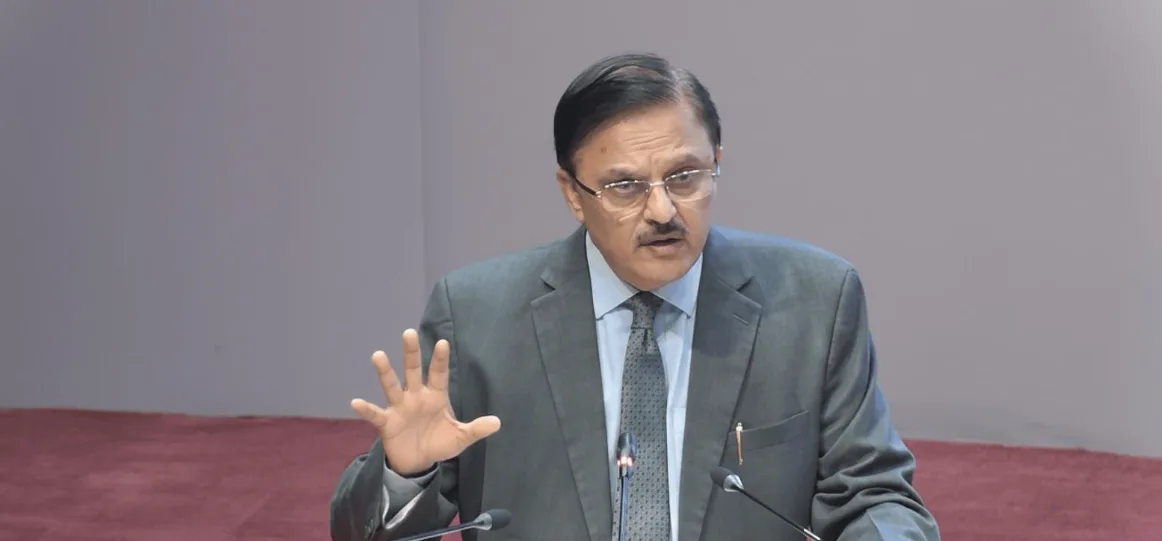
New Delhi, October 28, 2026: Former Supreme Court judge Justice Abhay S. Oka has raised concerns about the concentration of administrative powers in the office of the Chief Justice of India (CJI), arguing that excessive centralisation may undermine transparency and accountability within the judicial system.
Justice Oka made these observations while delivering a keynote address at a seminar on judicial accountability organised by the Campaign for Judicial Accountability and Reforms (CJAR) in New Delhi. He cautioned that the concentration of authority in the CJI's office could encourage a culture of "hero worship" among stakeholders in the legal system.
Concerns Over the Supreme Court's Roster System
Justice Oka highlighted the need for a clearer and more transparent roster system governing the allocation of cases to different Benches of the Supreme Court. He observed that when similar categories of matters are assigned to multiple Benches without sufficient clarity, litigants and lawyers may remain uncertain about which Bench will hear a particular case.
He advocated a structured system comparable to those followed by High Courts, designed to reduce the possibility of manual intervention in case allocation and improve institutional accountability.
Judicial Accountability and Litigants' Interests
Justice Oka emphasised that accountability must extend to the administrative functioning of courts while preserving judicial independence. He also expressed concern about delays in listing newly filed cases, particularly in High Courts facing substantial caseloads and pendency.
He suggested that newly filed matters could be assigned automatic hearing dates, with bail applications listed within a day or two and other matters within approximately a week, subject to an appropriate and workable system.
He further cautioned that directions from higher courts requiring cases to be disposed of within fixed timelines may place additional pressure on trial court judges handling older and more complex matters. He called for a rational transfer policy for trial court and district court judges.
Constructive Criticism of Judicial Decisions
Justice Oka also stressed that judgments of constitutional courts should remain open to informed public scrutiny. He maintained that criticism should identify specific legal errors and explain the reasoning behind disagreements rather than merely question a judgment because its outcome benefits the government or another institution.
He cautioned against attributing improper motives to judges solely because a decision favours the government, arguing that the correctness of a judgment must be assessed on its legal merits.
Significance of the Remarks
Justice Oka's observations renew the debate surrounding judicial administration, transparency in case allocation and institutional checks within the higher judiciary. His remarks underline the importance of balancing the administrative authority of the Chief Justice with predictable procedures, judicial independence and the interests of litigants.
The remarks were made at a judicial accountability seminar and do not, by themselves, constitute a binding judicial ruling or a change in the Supreme Court's existing roster procedures.
Source: Bar & Bench and The Indian Express, reports published on October 28, 2026.