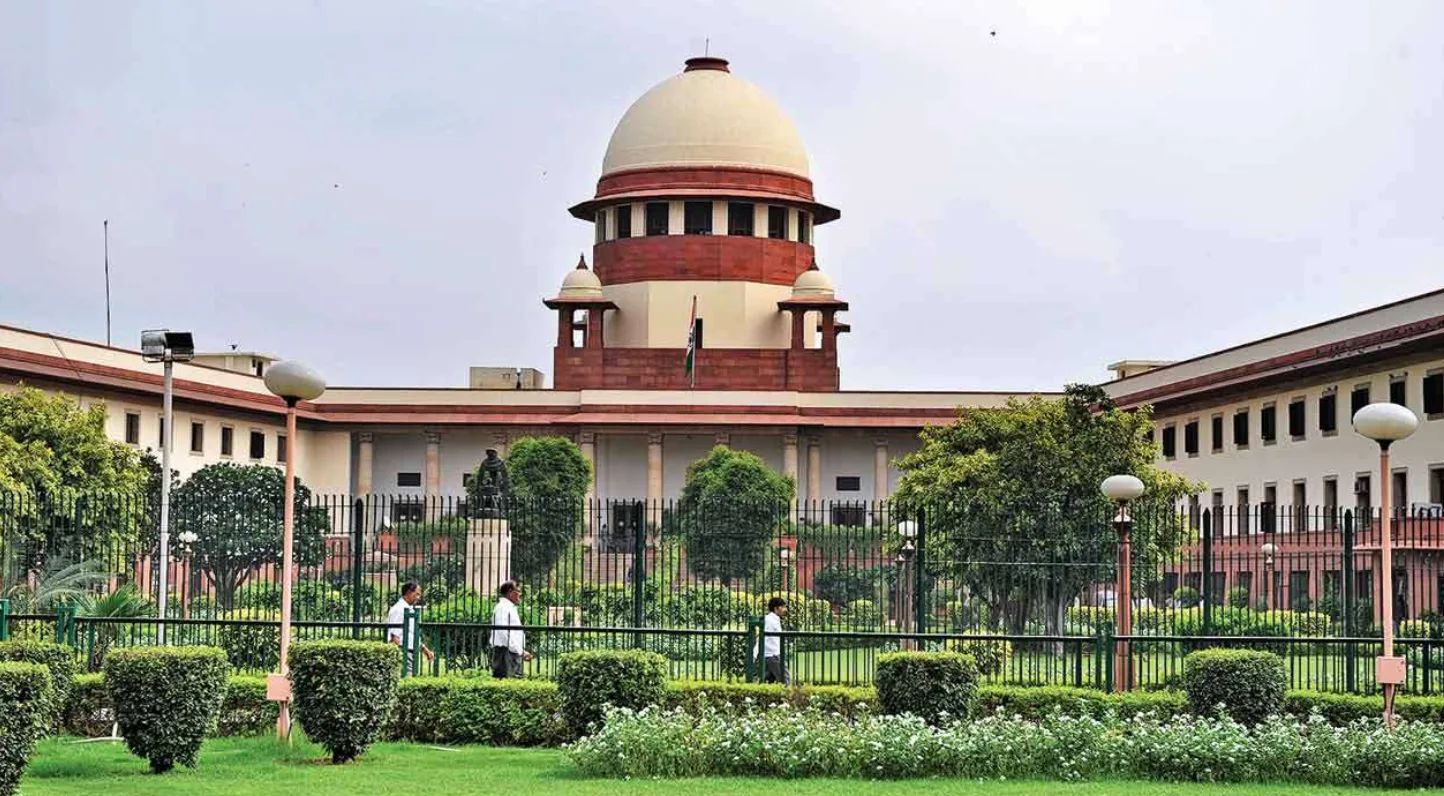
Supreme Court: High Courts Cannot Dictate Regular Bail Conditions While Rejecting Anticipatory Bail
The Supreme Court of India has held that a High Court, while rejecting an application for anticipatory bail, cannot direct the accused to approach the trial court for regular bail and simultaneously dictate the conditions on which such bail must be granted. The Court observed that such directions exceed the jurisdiction exercised under Section 438 of the Code of Criminal Procedure, 1973 (CrPC), and improperly interfere with the independent judicial discretion of the trial court.
The ruling was delivered on October 26, 2026, in Jagannath Mandangi v. State of Odisha & Anr. etc., by a Bench comprising Justice Sanjay Kumar and Justice Sanjeev Sachdeva.
Background of the Case
The matter arose from a 2010 murder case registered at Rayagada Police Station in Odisha. FIR No. 208 of 2010 was initially registered on December 23, 2010, for offences under Sections 120B, 302, 201, 364 and 34 of the Indian Penal Code, 1860. The case was subsequently re-registered as FIR No. 10 of 2011 by the CID Crime Branch, Odisha.
The accused approached the Orissa High Court by filing anticipatory bail applications. Through an order dated January 22, 2026, the High Court declined to grant anticipatory bail. However, it directed the accused to surrender before the trial court and apply for regular bail within two weeks.
Importantly, the High Court further directed the trial court to release the accused on a bail bond of Rs. 50,000 each, with two solvent sureties, subject to conditions imposed by the High Court.
These conditions included refraining from criminal activities, not threatening or influencing prosecution witnesses, not tampering with evidence, appearing before the trial court on every date of hearing unless exempted, and not leaving the jurisdiction of the trial court without prior permission.
Acting upon these directions, the Sub-Divisional Judicial Magistrate (SDJM), Rayagada, granted regular bail to the accused on January 30, 2026.
Supreme Court's Observations
The complainant, Jagannath Mandangi, challenged the High Court's directions before the Supreme Court. The central issue was whether a High Court, after rejecting anticipatory bail, could direct the trial court to grant regular bail on conditions already determined by it.
Examining the matter, the Supreme Court held that once the High Court concluded that no case was made out for anticipatory bail, it could not dictate how subsequent proceedings should unfold.
The Bench observed:
"Once the High Court came to the conclusion that no case was made out for grant of anticipatory bail, it was not for the High Court to direct as to how the future should unfold."
The Court further emphasised that the High Court had not merely advised the accused about their next course of action but had also predetermined the terms on which the trial court was required to grant regular bail.
According to the Supreme Court, such directions exceeded the jurisdiction exercised under Section 438 of the CrPC and effectively usurped the role of the trial court. The trial court was left with no meaningful discretion to independently examine the regular bail applications on their merits and in accordance with law.
Supreme Court's Decision
The Supreme Court partly set aside the Orissa High Court's order dated January 22, 2026. It upheld the rejection of anticipatory bail but quashed the directions requiring the trial court to grant regular bail on predetermined conditions.
As a consequence, the regular bail order dated January 30, 2026, passed by the SDJM, Rayagada, was also set aside.
The Court directed the accused to surrender within two weeks. It further clarified that the accused would remain at liberty to seek appropriate relief before the competent forum at the appropriate stage and in accordance with law.
Accused Persons' Separate Petitions
The Supreme Court also dealt with separate special leave petitions filed by the accused challenging the rejection of their anticipatory bail applications. The Bench noted that the accused had already taken the benefit of the High Court's order by obtaining regular bail through the directions contained in that very order.
The Court found their subsequent attempt to challenge the same order to be an abuse of the process of law and dismissed their petitions.
Legal Significance of the Judgment
The judgment reinforces the distinction between anticipatory bail and regular bail under criminal procedure. Anticipatory bail concerns protection against arrest, whereas regular bail is considered after the accused is taken into custody or surrenders before the competent court.
The ruling clarifies that a High Court rejecting anticipatory bail cannot predetermine the outcome of a subsequent regular bail application or dictate the conditions on which the trial court must grant bail.
It also protects the independent judicial authority of trial courts by ensuring that regular bail applications are considered on their own merits, based on the circumstances existing at the relevant stage.
Case: Jagannath Mandangi v. State of Odisha & Anr. etc.
Decision Date: October 26, 2026
Bench: Justice Sanjay Kumar and Justice Sanjeev Sachdeva
Court: Supreme Court of India
Relevant Provision: Section 438, Code of Criminal Procedure, 1973
Conclusion: The Supreme Court has reaffirmed that judicial discretion must remain with the competent court. A High Court cannot reject anticipatory bail while simultaneously dictating the terms of regular bail, as doing so improperly interferes with the trial court's independent judicial function.