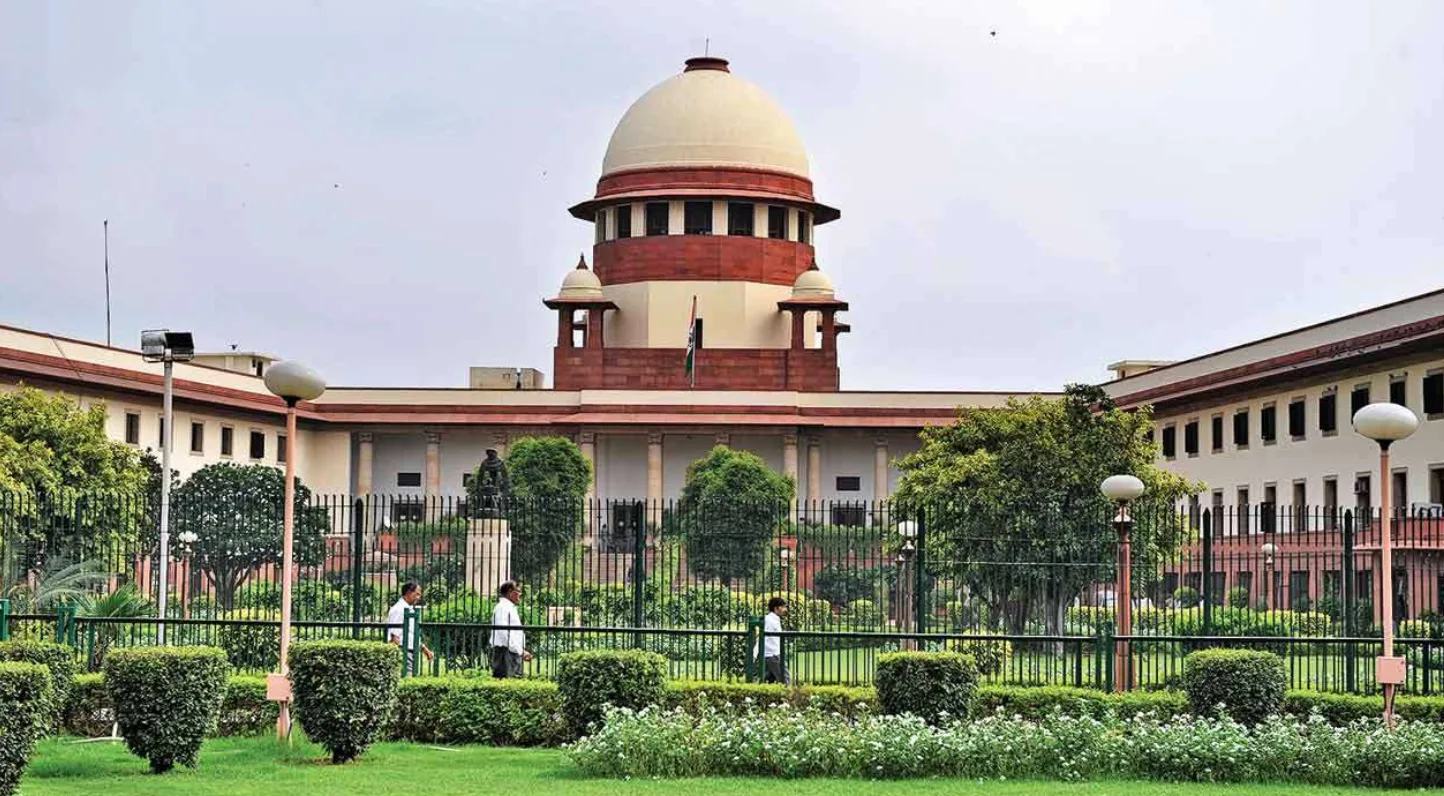
Supreme Court Cancels Suspension of Sentence of Murder Convict in Political Rivalry Case
The Supreme Court of India has cancelled the suspension of sentence granted to the principal accused in a murder case arising from political rivalry over a Sarpanch election in Rajasthan. The Court observed that the pendency of criminal appeals and the possibility of delayed hearings cannot, by themselves, justify suspending the sentence of a person convicted of a heinous offence.
The decision was delivered on October 27, 2026, in Hanuman Prasad @ Hanuta Ram v. State of Rajasthan & Others (2026 INSC 1180) by a Bench comprising Justice J.B. Pardiwala and Justice K. Vinod Chandran.
Background of the Case
The case originated from the murder of a candidate contesting a Sarpanch by-election in Rajasthan. According to the prosecution, the murder was connected to political rivalry between the deceased and the principal accused, A1, a government teacher.
A1's son had previously been elected as Sarpanch but had to vacate the position after securing government employment. The deceased subsequently contested the resulting by-election. The prosecution alleged that A1 masterminded a conspiracy to eliminate the candidate because of the political rivalry.
The Trial Court convicted A1 under Sections 302 read with 120B of the Indian Penal Code, 1860, and sentenced him to life imprisonment. Other accused persons were convicted under Section 120B IPC and sentenced to ten years of imprisonment.
Why Was the Matter Before the Supreme Court?
The Rajasthan High Court had suspended the sentences of the convicted accused, primarily considering the substantial pendency of criminal appeals and the likelihood that the appeals would not be heard in the near future.
Aggrieved by this decision, the father of the deceased challenged the suspension of sentence before the Supreme Court, arguing that the High Court had not properly appreciated the evidence against the accused.
Supreme Court's Observations
The Supreme Court examined the evidence against the principal accused, including the alleged political rivalry, threats made against the deceased and circumstances surrounding the crime.
The Court noted that witnesses had spoken about A1 threatening that the deceased would not remain alive until the election. It also considered the circumstances of A1's presence at a police station on the day of the murder, which the Trial Court had treated as an attempt to create an alibi.
On a prima facie assessment, the Bench found sufficient material against A1 and concluded that the High Court had erred in suspending his sentence merely because of the anticipated delay in hearing the appeal.
The Court emphasised that the decision to suspend a sentence in cases involving serious offences requires careful judicial consideration. Courts must assess the evidence, the period of actual incarceration and the likely delay in hearing the appeal.
Relief Granted to the Other Accused
The Supreme Court distinguished the case of the other convicted accused from that of A1. It noted that certain witnesses relating to allegations of changing vehicle number plates and purchasing SIM cards had turned hostile. Further, witnesses concerning the booking of rooms had not identified the actual perpetrators.
Consequently, the Court found no reason to interfere with the suspension of sentence granted to the other accused.
Final Decision
The Supreme Court partly allowed the appeals and cancelled the suspension of sentence granted to A1. He was directed to surrender before the Trial Court within two weeks, failing which proceedings could be initiated to apprehend him.
However, the suspension of sentence granted to the other accused remained undisturbed.
Legal Significance
The ruling reinforces the principle that the pendency of criminal appeals cannot automatically become a ground for suspending sentences imposed for heinous offences. Courts must undertake an individualised and careful assessment of the evidence, actual period of incarceration and circumstances surrounding the delay.
The judgment also highlights the importance of considering the concerns of victims' families while balancing individual liberty and the interests of justice.
Important: The Supreme Court clarified that its observations regarding the evidence and guilt of the accused were only prima facie findings and would not determine the merits of the pending criminal appeals.
Case: Hanuman Prasad @ Hanuta Ram v. State of Rajasthan & Others
Citation: 2026 INSC 1180
Decision Date: October 27, 2026
Bench: Justice J.B. Pardiwala and Justice K. Vinod Chandran
Relevant Provisions: Sections 302 and 120B, Indian Penal Code, 1860.