Supreme Court Reserves Order on ED's Plea for CBI Probe into Alleged Obstruction of I-PAC Raid
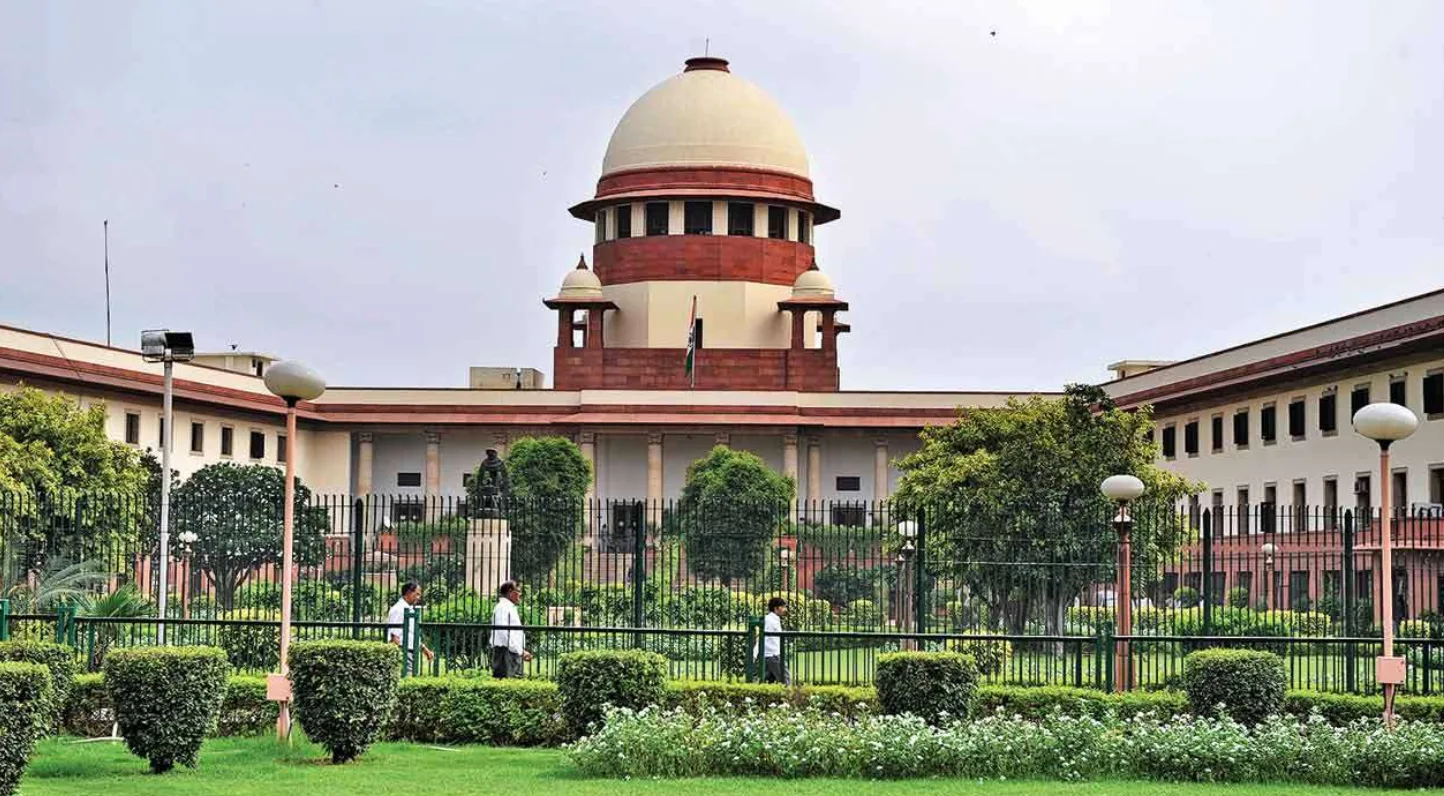
The Supreme Court of India on October 29, 2026, reserved its order on a plea filed by the Enforcement Directorate (ED) seeking a Central Bureau of Investigation (CBI) probe into alleged obstruction of its search operations at the Kolkata premises of political consultancy firm Indian Political Action Committee (I-PAC) and the residence of its co-founder, Pratik Jain.
The proceedings concern allegations against former West Bengal Chief Minister Mamata Banerjee and certain state police officials arising from the ED's searches conducted on January 8, 2026, in connection with a money-laundering investigation linked to an alleged coal-smuggling case. The allegations remain contested and have not been conclusively determined by the Court.
Supreme Court Considers Whether to Entrust the Probe to the CBI
A Bench comprising Justice Prashant Kumar Mishra and Justice N. V. Anjaria reserved its order after hearing submissions on whether the investigation should be referred to the CBI or whether the state government should decide the appropriate course of action.
Appearing for Mamata Banerjee, senior advocate Kapil Sibal argued that the change in the state government had altered the circumstances in which the ED had approached the Supreme Court. He submitted that the state government could refer the matter to the CBI itself, if considered appropriate, without requiring a direction from the Court.
The ED opposed leaving the decision entirely to the state government. Additional Solicitor General S. V. Raju argued that an independent investigation was necessary to address concerns about impartiality, particularly because the allegations also involved serving police officials. The agency maintained that a court-directed investigation would help ensure a fair inquiry.
Background of the Dispute
The dispute arose from ED search operations at I-PAC premises in Kolkata on January 8, 2026. The searches were connected to a money-laundering investigation linked to an alleged coal-smuggling case. The ED alleged that its search operations were obstructed and sought registration of an FIR and an independent investigation.
Mamata Banerjee disputed the ED's allegations and maintained that the material in question included confidential and proprietary information associated with the Trinamool Congress. The competing claims form part of the broader legal dispute before the Supreme Court.
What Happens Next?
With arguments concluded, the Supreme Court has reserved its order on the question of whether the matter should be referred to the CBI or left to the state government. The Court's decision is awaited. Reserving an order does not amount to accepting the ED's allegations or directing a CBI investigation.
The case raises important questions concerning the independence and fairness of investigations, the role of state authorities during investigations by central agencies, and the circumstances in which a constitutional court may intervene to ensure an impartial inquiry.