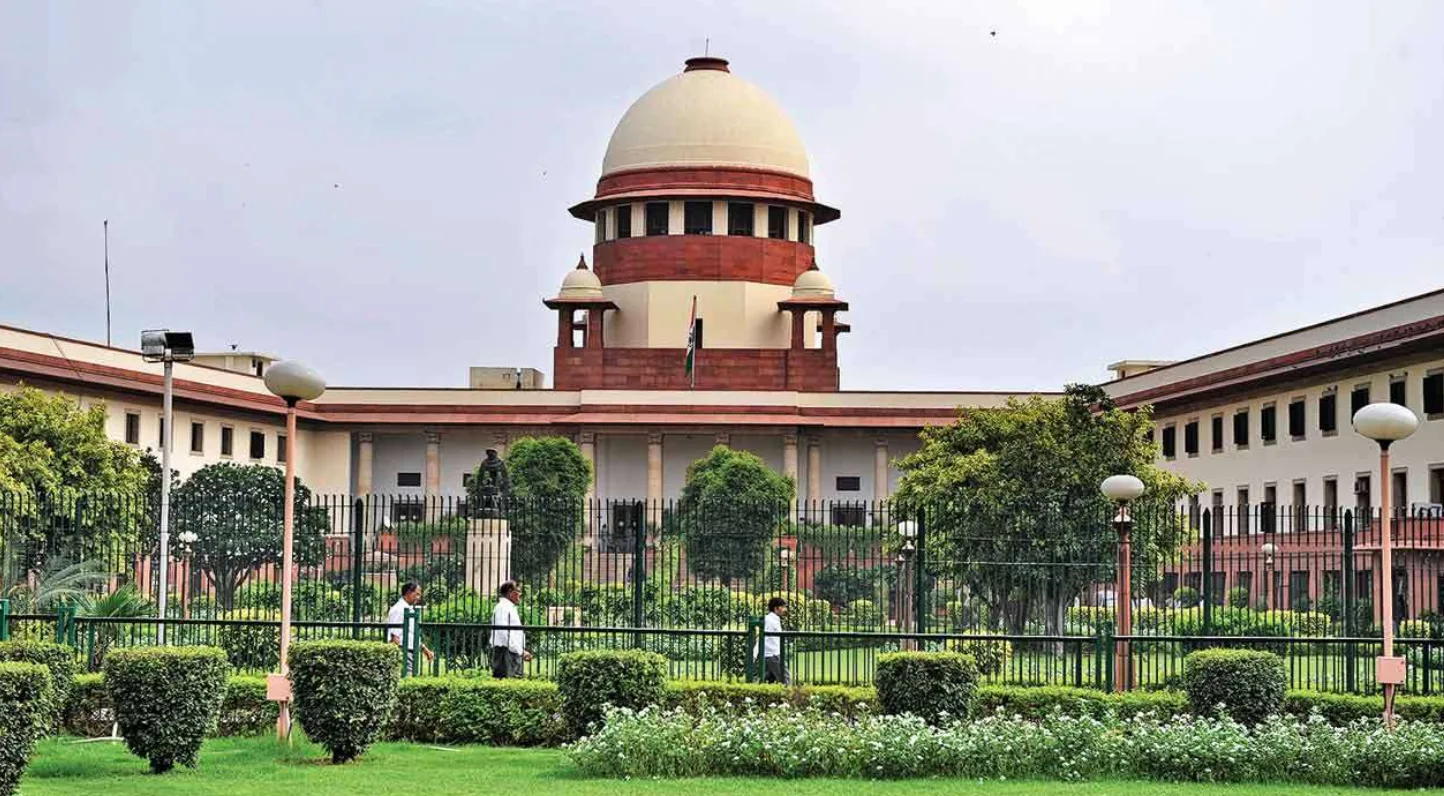
New Delhi, 26 October 2026: The Supreme Court of India has directed the Uttar Pradesh government to pay ₹6 lakh in compensation to a man who spent approximately six years in custody as an undertrial in a kidnapping and murder case before being acquitted. The Court strongly criticised the police investigation and prosecution, describing the case as an example of serious investigative failures that jeopardised an individual's liberty.
Background of the Case
The case, Arun @ Deepak v. State of Uttar Pradesh, arose from allegations connected with a kidnapping and murder registered in Agra in 2019. The petitioner was charged under Sections 364, 302 and 201 of the Indian Penal Code, 1860. He remained in custody from November 2019 while the criminal proceedings were pending.
The prosecution relied on circumstantial evidence, including alleged ransom-related circumstances, CCTV footage, electronic records and the alleged involvement of the petitioner through a co-accused. The petitioner had not been named in the initial FIR or in the complainant's statement recorded during the investigation.
Trial Court Acquittal and Supreme Court Proceedings
In March 2026, while considering the petitioner's bail plea, the Supreme Court directed the trial court to conclude the trial within three months. The trial subsequently concluded with the petitioner's acquittal after the prosecution failed to establish the circumstances relied upon to connect him with the alleged offences.
The Supreme Court examined the trial court's judgment and expressed serious concern about the quality of the investigation and the manner in which the prosecution had proceeded.
Deficiencies in the Investigation and Evidence
The Court noted significant deficiencies in the evidence relied upon by the prosecution. The CCTV footage was unclear and lacked the certificate required under Section 65B of the Indian Evidence Act, 1872, for the electronic evidence in question. The prosecution also failed to establish essential links connecting the petitioner with the alleged crime.
The Court criticised the investigation for relying on unsubstantiated circumstances and questioned how the petitioner had been implicated despite the absence of reliable evidence establishing his involvement. It emphasised that investigative and prosecuting agencies must pursue justice for victims and complainants while also protecting the rights of accused persons.
Supreme Court's Observations
The Bench comprising Justice J. B. Pardiwala and Justice K. Vinod Chandran strongly disapproved of the investigation and prosecution. The Court observed that the case demonstrated how a deficient investigation could place an individual's life and liberty in jeopardy for years.
It reiterated that a person accused of a criminal offence is presumed innocent until proven guilty. The State cannot avoid its responsibility to protect citizens from injustice arising from failures in the criminal justice process. The Court also advised the Uttar Pradesh Police to educate officers on proper investigative procedures.
Compensation and Directions
The Supreme Court directed the State of Uttar Pradesh to pay ₹6 lakh to the petitioner within one month. It further ordered that any delay beyond the stipulated period would attract interest at 18% per annum. The Court acknowledged that the compensation was modest compared with the years the petitioner had spent in custody.
A copy of the judgment was also directed to be sent to the Director General of Police and the Home Secretary of Uttar Pradesh for appropriate attention to the deficiencies identified in the case.
Legal Significance
The decision highlights the importance of reliable evidence, lawful investigation, procedural compliance in electronic evidence, and the presumption of innocence. It also underscores the State's responsibility when serious investigative and prosecutorial failures contribute to prolonged deprivation of liberty.
The order serves as a reminder that criminal investigations must be evidence-based and that the pursuit of convictions cannot override fairness, due process and the constitutional protection of personal liberty.
Case: Arun @ Deepak v. State of Uttar Pradesh
Citation: 2026 INSC 1150
Court: Supreme Court of India
Bench: Justice J. B. Pardiwala and Justice K. Vinod Chandran
Order dated: 26 October 2026