Once Cloned, Why Kept? Digital Devices and Limits of Retention Under PMLA
The seizure of electronic devices has become an important part of investigations involving financial crimes. Mobile phones, laptops, computers and other digital storage devices frequently contain information that may assist investigating agencies in tracing financial transactions, communications and suspected money-laundering activities. However, an important legal question arises when investigating agencies retain original devices even after extracting or cloning the relevant digital information.
The issue assumes significance under the Prevention of Money Laundering Act, 2002 (PMLA), which provides a statutory framework governing search, seizure and retention of records and property by the Enforcement Directorate (ED).
Understanding the Statutory Framework
Section 17 of the PMLA empowers authorised officers to conduct searches and seize records or property in accordance with the statutory requirements. However, the power to seize does not automatically mean that the investigating agency can retain such material indefinitely.
Section 17(4) requires the authorised officer to approach the Adjudicating Authority within the prescribed period for permission to retain the seized records or property. Sections 20 and 21 further regulate the retention of seized property and records respectively.
Section 20 deals with the retention of seized or frozen property, while Section 21 specifically addresses the retention of records. Section 21 provides for retention of seized records for a period not exceeding 180 days, subject to the statutory conditions. Continued retention beyond this period requires permission from the Adjudicating Authority.
Digital Cloning and the Question of Original Devices
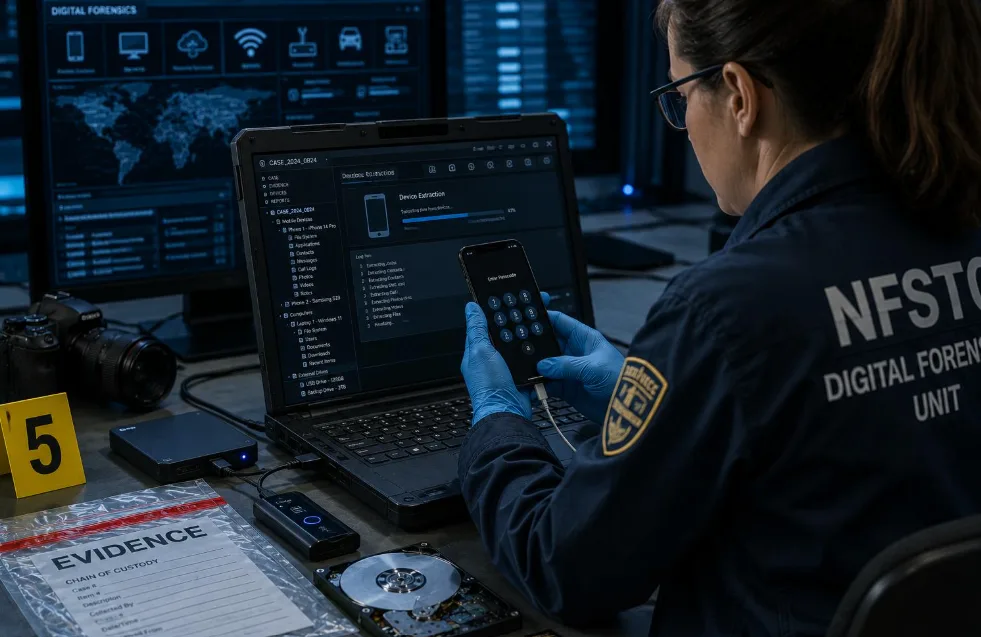
Digital forensic cloning enables investigating agencies to create copies of the information stored on electronic devices. Such copies may preserve relevant electronic material for examination and further investigation.
This raises an important distinction between retaining digital evidence and retaining the physical device containing that evidence. Where a forensic copy has been prepared and supplied to the concerned person, the continued retention of the original device may require closer examination of its necessity and legal justification.
The central question is whether the investigating agency still requires possession of the original device or whether the relevant evidentiary material can be preserved through verified digital copies.
Balancing Investigative Requirements and Individual Rights
Prolonged retention of electronic devices can significantly affect individuals and businesses. Smartphones and computers often contain personal communications, professional documents, financial information and other material necessary for everyday activities.
Consequently, continued possession of such devices may raise concerns relating to privacy, professional obligations, business continuity and access to personal information.
Investigating agencies must therefore act within the statutory framework and demonstrate the legal basis for continued retention. At the same time, the preservation of evidence and the requirements of an ongoing investigation cannot be disregarded.
Why the Issue Matters
The question of digital device retention highlights the need for procedural safeguards in financial crime investigations. The preparation of a forensic clone does not automatically require the release of the original device in every case. The relevance of the original device, the stage of investigation, the evidentiary requirements and applicable statutory provisions must all be considered.
The legal position therefore requires a fact-specific assessment rather than an automatic rule that every cloned device must immediately be returned.
Conclusion
The growing reliance on electronic evidence makes the regulation of digital device seizure and retention increasingly important. While the PMLA grants investigating agencies powers to collect and preserve relevant evidence, those powers remain subject to statutory limitations and procedural safeguards.
Ultimately, the question is not merely whether digital evidence has been cloned, but whether continued retention of the original device is legally necessary and justified. Maintaining a balance between effective investigation and individual rights remains essential to ensuring fairness and accountability in the enforcement of money-laundering laws.