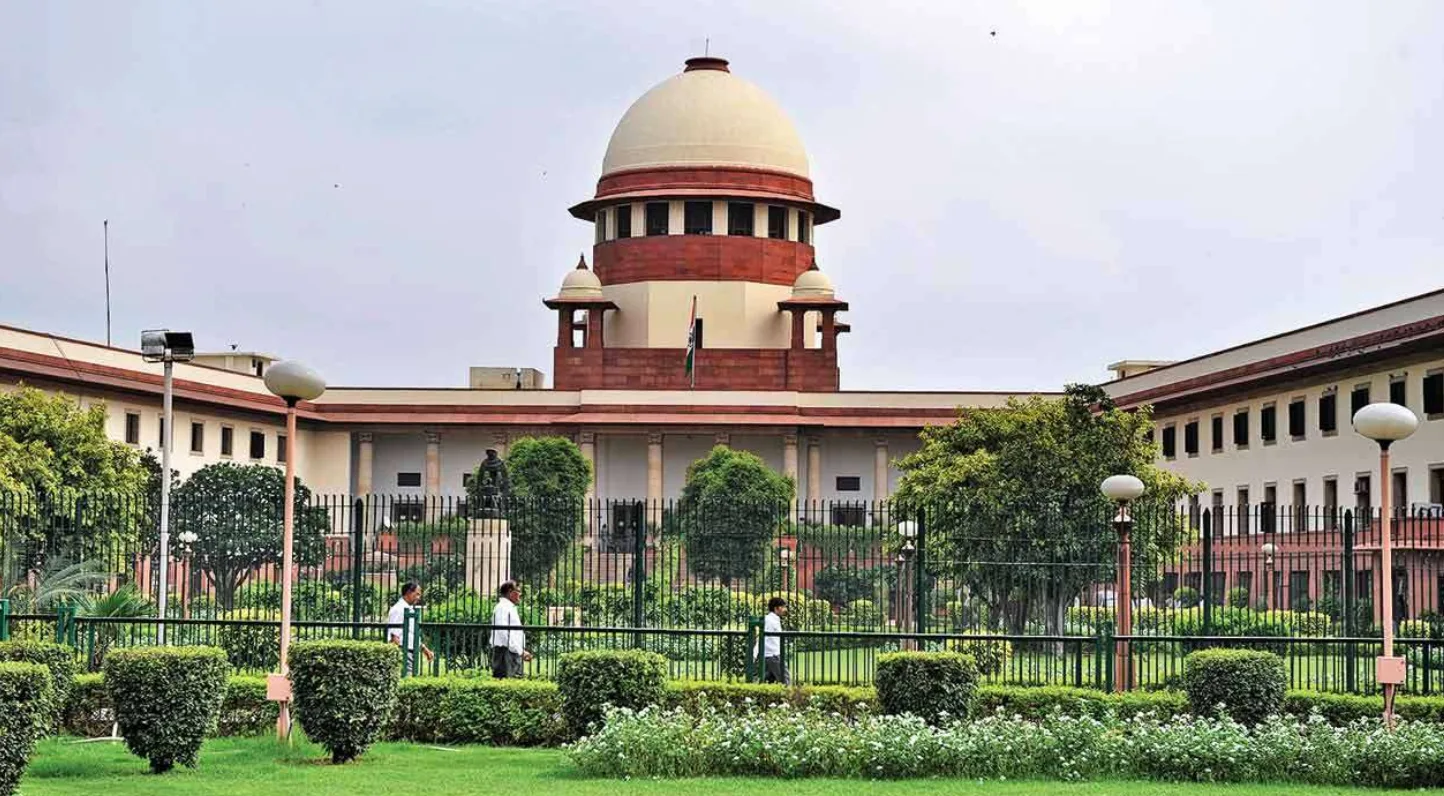
Supreme Court Announces Permanent Committee on Rights of Persons with Disabilities; Directs Legal Support for Disabled Advocates
The Supreme Court of India is set to establish a Permanent Committee on the Rights of Persons with Disabilities, marking an important institutional initiative towards strengthening disability rights and accessibility within the judicial system. Chief Justice of India (CJI) Justice Surya Kant announced the decision on November 18, 2026, during a meeting with United Nations Special Rapporteur on the Rights of Persons with Disabilities, Ms. Heba Hagrass, at the Supreme Court.
The meeting was attended by lawyers with disabilities, representatives of civil society organisations and officials associated with the United Nations. The discussions focused on constitutional equality, effective implementation of disability rights legislation and improving accessibility within judicial institutions.
Supreme Court to Establish Permanent Disability Rights Committee
During the interaction, the Chief Justice announced that the Supreme Court would establish a Permanent Committee on the Rights of Persons with Disabilities. The proposed committee is intended to provide a continuing institutional focus on disability-related concerns and strengthen efforts towards ensuring that the rights guaranteed by law are effectively implemented.
In another significant measure, the CJI directed the Supreme Court Legal Services Committee to constitute panels of young lawyers and sign language interpreters. These panels will assist advocates with disabilities in proceedings before the Supreme Court, helping address practical accessibility barriers in court proceedings.
Disability Rights as a Constitutional Obligation
Emphasising the constitutional importance of disability rights, Justice Surya Kant observed that equality is a fundamental constitutional principle and that ensuring the rights of persons with disabilities is a constitutional obligation.
Referring to the Rights of Persons with Disabilities Act, 2016, the CJI acknowledged the measures undertaken by the Government and the judiciary over the past decade. He stressed that identifying gaps in implementation is essential to ensure that persons with disabilities can exercise their legal rights and access the benefits available under various laws and government schemes.
Courts Can Monitor Compliance Through Continuing Mandamus
The Chief Justice also highlighted the role of constitutional courts in addressing administrative delays that prevent persons with disabilities from receiving statutory benefits. He observed that courts can issue writs of continuing mandamus, directing public authorities to perform their statutory obligations and monitoring compliance until the required action is taken.
He further recognised the contribution of Public Interest Litigation (PIL) in enabling persons with disabilities to approach courts and enforce their rights.
Reference to Article 142 and Judicial Representation
Justice Surya Kant referred to Article 142 of the Constitution of India, which empowers the Supreme Court to pass orders necessary for doing complete justice in matters before it.
He also highlighted measures within the judiciary aimed at improving representation of persons with disabilities, including reservation in judicial and higher judicial services and relaxation of qualifying marks for eligible candidates with disabilities.
Call for Cooperation Between Judiciary and Government
Recognising the substantial workload faced by courts, the CJI emphasised the importance of cooperation between the judiciary and State Governments in addressing disability-related concerns. He also encouraged courts across different jurisdictions to exchange effective practices and urged the UN Special Rapporteur and other UN officials to share India's experience in advancing disability rights internationally.
Representatives of Saksham Trust, iProbono, Vidhi Centre for Legal Policy, the Politics and Disability Forum and Mission Accessibility participated in the meeting. Officials from the Office of the UN High Commissioner for Human Rights and the Office of the UN Resident Coordinator in India were also present.
Significance of the Initiative
The proposed Permanent Committee and the legal assistance panels reflect an effort to strengthen institutional accessibility and support the participation of persons with disabilities in the justice delivery system. The initiative also highlights the importance of moving beyond statutory recognition towards effective implementation of disability rights.
The development reinforces the constitutional commitment to equality, dignity and access to justice for persons with disabilities in India.