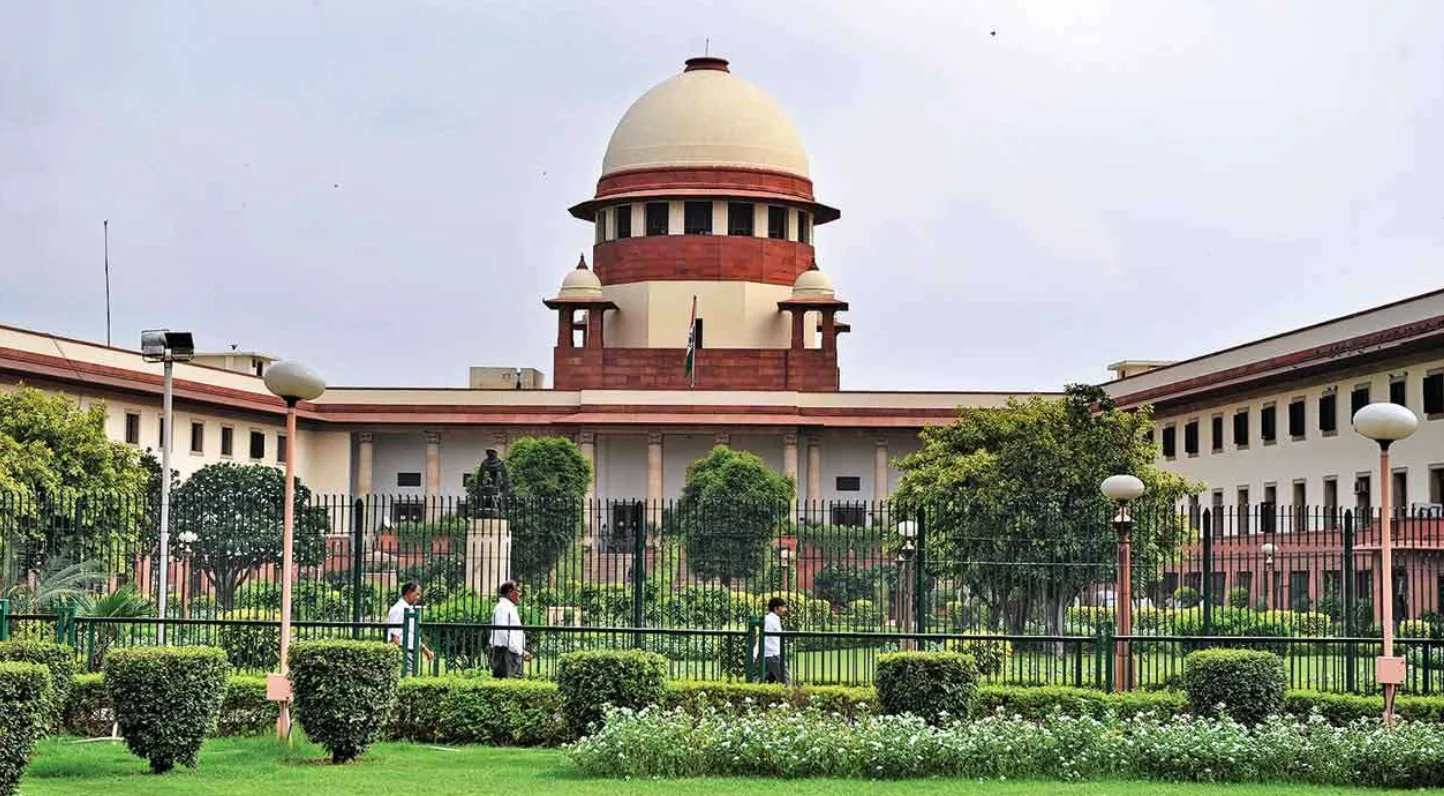
Supreme Court Examines Challenge to DPDP Act Provisions Affecting Right to Information
The Supreme Court of India is considering constitutional challenges to the Digital Personal Data Protection Act, 2023 (DPDP Act), and the Digital Personal Data Protection Rules, 2025, over their potential impact on the Right to Information (RTI) Act, 2005, press freedom and investigative journalism.
On November 17, 2026, the Supreme Court adjourned the scheduled hearing of the connected petitions to December 9, 2026. The matter could not be taken up as the Bench was occupied with a part-heard case. The constitutional questions concerning the balance between individual privacy, government transparency and freedom of expression therefore remain unresolved.
Section 44(3) of the DPDP Act: The Core Controversy
At the centre of the legal challenge is Section 44(3) of the DPDP Act, which amends Section 8(1)(j) of the Right to Information Act, 2005.
Before the amendment, Section 8(1)(j) permitted public authorities to withhold certain personal information where disclosure had no relationship to public activity or interest, or would cause an unwarranted invasion of privacy. However, the provision also recognised a public-interest safeguard under which information could be disclosed where the larger public interest justified such disclosure.
The amended provision exempts information relating to personal information from disclosure under the RTI framework.
Petitioners argue that the amendment removes an important public-interest balancing mechanism and could significantly expand the grounds on which public authorities refuse access to information.
According to the challengers, this may make it more difficult for citizens, journalists and transparency activists to obtain information concerning public officials, government expenditure, welfare schemes and matters involving public accountability.
Who Has Challenged the DPDP Framework?
Several petitions have been filed before the Supreme Court questioning the constitutional validity of provisions of the DPDP Act and its accompanying Rules.
The challengers include RTI activist Venkatesh Nayak, the National Campaign for People's Right to Information (NCPRI), journalist Nitin Sethi and The Reporters' Collective.
The Digital News Publishers Association (DNPA), which represents 21 media organisations, has also approached the Supreme Court, raising concerns about the impact of the legislation on journalistic activities and news reporting.
The challenges question whether the contested provisions are compatible with Articles 14, 19(1)(a), 19(1)(g) and 21 of the Constitution of India.
Concerns Over Investigative Journalism and Press Freedom
The absence of a specific exemption for journalistic activities under the DPDP framework is another major issue raised by media organisations.
The petitioners contend that certain compliance requirements relating to consent, processing and erasure of personal data could create difficulties for journalists investigating matters involving public interest.
For instance, investigative reporting may require journalists to collect, process, retain and publish information concerning public officials or individuals connected with alleged wrongdoing. The petitioners argue that requiring consent from the subjects of such reporting could interfere with legitimate journalistic activities and the preservation of news archives.
The Digital News Publishers Association has also expressed concerns that the application of data protection obligations to news organisations could affect confidential sources, investigative reporting and time-sensitive journalism.
These submissions raise important constitutional questions concerning the relationship between data protection obligations and the freedom of speech and expression guaranteed under Article 19(1)(a).
Supreme Court's Earlier Proceedings
The Supreme Court has previously considered the competing interests involved in the constitutional challenge.
On February 16, 2026, the Court issued notice to the Union Government on petitions challenging the DPDP framework and declined to grant an interim stay on the contested provisions.
During the proceedings on August 7, 2026, the Bench considered the relationship between the RTI Act and the DPDP Act, including the need to examine whether the two legislative frameworks could operate harmoniously.
The Court's consideration involved questions concerning the scope of personal information, the right to privacy and the public's right to access information held by public authorities.
Subsequently, on October 27, 2026, a three-judge Bench comprising Chief Justice of India Surya Kant and Justices Joymalya Bagchi and V. Mohana issued notice to the Union Government on the Digital News Publishers Association's challenge to the DPDP Act and Rules.
The Court declined to grant interim relief without first hearing the Union Government.
What Happened on November 17, 2026?
The connected petitions challenging the DPDP Act and its implications for RTI disclosures and press freedom were scheduled for hearing on November 17, 2026.
However, the matter could not be taken up because the Bench was occupied with a part-heard case after lunch. Consequently, the hearing was adjourned to December 9, 2026.
The next hearing will provide an opportunity for the Court to consider the competing arguments concerning individual privacy, access to public information, freedom of expression and the regulatory obligations imposed on news publishers.
Importantly, the Supreme Court has not yet delivered a final judgment declaring the challenged provisions constitutional or unconstitutional. The provisions have also not been stayed by an interim order.
Why the Challenge Matters
The legal dispute raises an important constitutional question: how can India protect the privacy of individuals without unnecessarily restricting transparency, public accountability and the right to know?
The RTI Act has long served as an important mechanism through which citizens can seek information from public authorities. It enables individuals, journalists and civil society organisations to examine governmental decisions and demand accountability.
At the same time, the DPDP Act seeks to establish safeguards for the processing of digital personal data and protect individuals against misuse of their personal information.
The Supreme Court's eventual decision could have significant implications for RTI applicants, journalists, civil society organisations, public authorities and entities processing personal data.
The outcome may also clarify the constitutional limits of data protection legislation when it intersects with freedom of expression, the right to know and the public interest.
For now, the constitutional challenge remains pending before the Supreme Court, with the next hearing scheduled for December 9, 2026.
Case Details
- Primary Case: Venkatesh Nayak v. Union of India
- Connected Case: Digital News Publishers Association v. Union of India
- Primary Writ Petition: W.P. (C) No. 177/2026
- DNPA Case: W.P. (C) Diary No. 45589/2026
- Court: Supreme Court of India
- Relevant Legislation: Digital Personal Data Protection Act, 2023; Digital Personal Data Protection Rules, 2025; Right to Information Act, 2005
- Constitutional Provisions: Articles 14, 19(1)(a), 19(1)(g) and 21
- Latest Hearing: November 17, 2026
- Next Listed Date: December 9, 2026
- Current Status: Pending consideration
Source: Supreme Court proceedings and reported developments dated November 17, 2026.