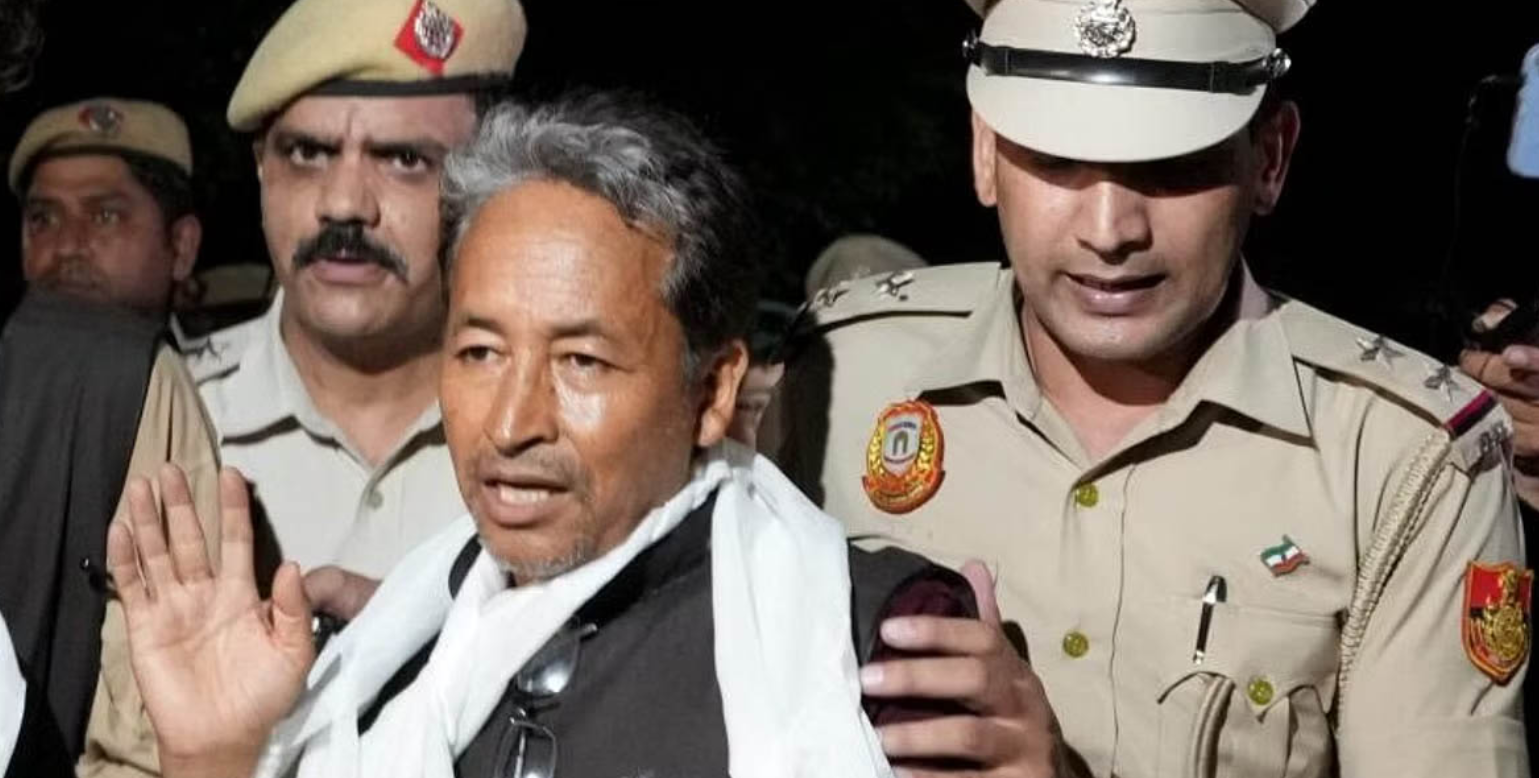
The Delhi High Court on July 21, 2026, directed the immediate transfer of climate activist Sonam Wangchuk from Safdarjung Hospital to Medanta Hospital in Gurugram, granting relief in a petition filed by his wife, Dr. Gitanjali Angmo.
Wangchuk, who has been on a prolonged hunger strike, was earlier shifted to Safdarjung Hospital following concerns regarding his deteriorating health condition. The transfer had sparked legal and public debate over issues of medical autonomy, patient rights, and the extent of State intervention in cases involving voluntary fasting and protests.
During the hearing, counsel appearing for Wangchuk's family submitted that they had lost confidence in the treatment arrangements at the government hospital and sought permission for his transfer to a private medical facility of their choice. The family argued that Wangchuk's continued stay at Safdarjung Hospital had become a matter of concern and requested judicial intervention to safeguard his health and well-being.
The Delhi High Court accepted the request and directed that Wangchuk be immediately shifted to Medanta Hospital. The Court further ordered that he continue to receive medical supervision and treatment under a panel of doctors to ensure continuity of care.
The development comes after earlier proceedings in which the High Court had upheld the authorities' decision to move Wangchuk to Safdarjung Hospital due to concerns over his health. Subsequently, fresh submissions regarding his treatment and the family's preference for a private facility led to the Court reconsidering the issue.
The case highlights the delicate balance courts must maintain between an individual's bodily autonomy and the State's responsibility to protect life and health. It also raises broader questions regarding the treatment of protesters engaged in prolonged hunger strikes and the legal safeguards available to them.
With the latest order, Wangchuk will continue receiving medical care at Medanta Hospital while legal proceedings concerning his circumstances and treatment continue to attract public attention.