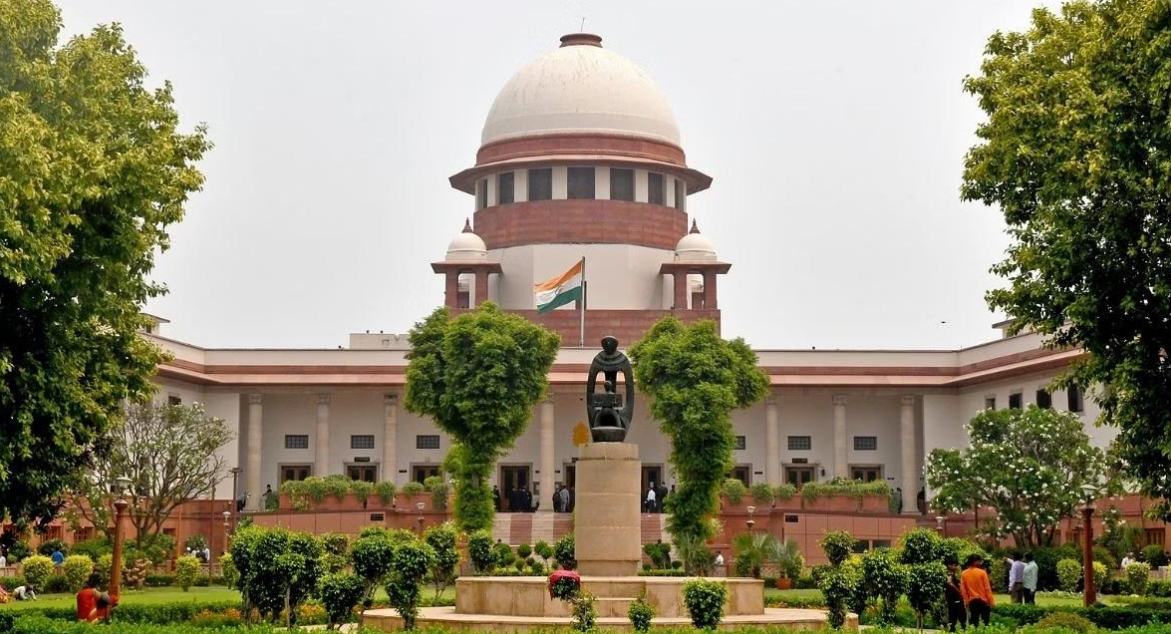
Supreme Court Adjourns Delhi Protest Cases Amid Allegations of Unlawful Restrictions and Detentions
The Supreme Court of India on October 13, 2026, adjourned a batch of petitions concerning restrictions imposed during protests in Delhi to October 15, 2026. The proceedings involve allegations of unlawful detention, excessive police action, restrictions on public transport and interference with the professional duties of lawyers and journalists.
The matters were listed before a Bench comprising Chief Justice of India Surya Kant and Justices Joymalya Bagchi and V. Mohana. The hearing was deferred after Justice V. Mohana was indisposed. The parties did not object to the adjournment.
Dispute Over Restrictions During Delhi Protests
The petitions relate to protests against the Election Commission's Special Intensive Revision (SIR) of electoral rolls and demands concerning Chief Election Commissioner Gyanesh Kumar. Petitioners have challenged measures affecting movement across the national capital, including restrictions on metro and railway services, alleged unlawful detentions and disruptions to internet access.
Several petitions also raise allegations that protesters, political leaders, students, lawyers and journalists were detained or subjected to police action during the demonstrations. These allegations remain matters for judicial consideration and should not be treated as established findings against the authorities.
Earlier Supreme Court Directions
On October 9, the Supreme Court addressed restrictions affecting metro and railway services ahead of the planned demonstrations, indicating that public transport could be regulated for legitimate public-order reasons but should not be subjected to an outright prohibition without adequate justification.
During an urgent sitting on October 11, the Court issued further directions concerning peaceful assemblies, detention in accordance with law, normal operation of public transport subject to lawful public-order restrictions, internet access and the ability of lawyers and journalists to perform their professional duties. The Court also addressed access to court premises and restrictions imposed under Section 163 of the Bharatiya Nagarik Suraksha Sanhita, 2023.
Contempt Pleas and Government Response
Some petitioners have sought contempt proceedings, alleging that the authorities failed to comply with the Court's earlier directions. The Supreme Court extended the time for the Centre to file its compliance response until October 15. The proceedings also include petitions concerning the alleged detention and mistreatment of protesters and journalists.
The Court's consideration of these matters raises important questions about the constitutional balance between public order and the rights to peaceful assembly, freedom of movement and expression, as well as access to justice. The proceedings may also clarify the obligations of public authorities when implementing restrictions during demonstrations.
The matters were listed for further hearing on October 15, 2026. No final determination of all the allegations should be inferred from the adjournment itself.
Source: LiveLaw and India Today, reports published on October 13, 2026.