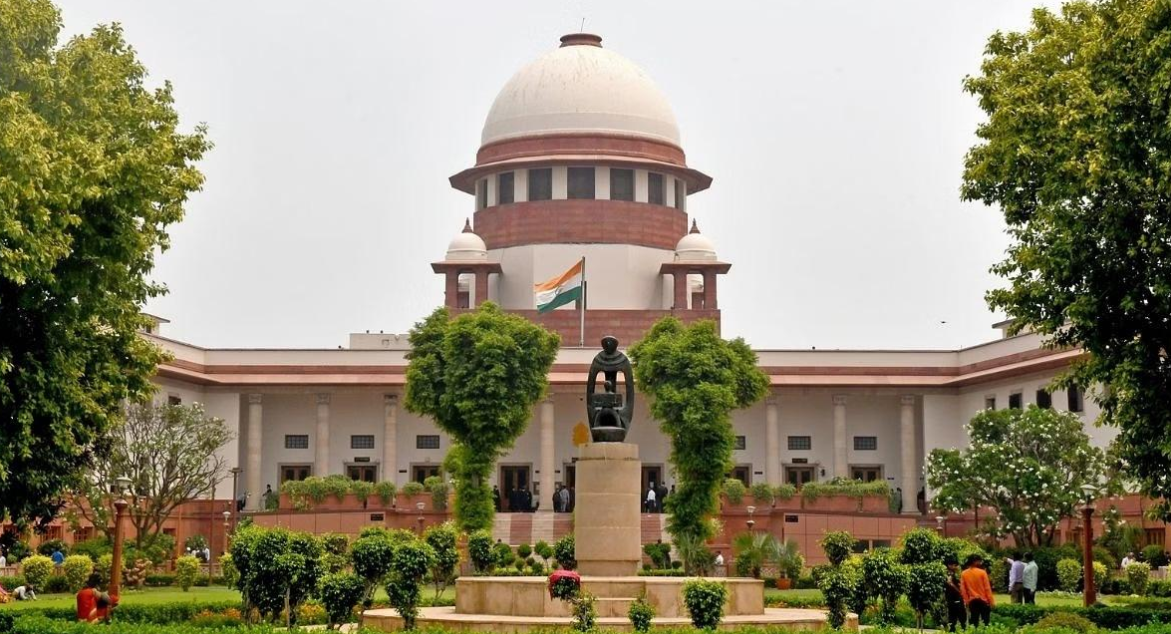
Supreme Court Seeks Explanation from Delhi Police Over Alleged Misconduct Against Women Journalists
The Supreme Court of India has sought the presence of a senior Delhi Police officer to explain allegations that women journalists were subjected to assault and misconduct while covering recent protests in New Delhi.
According to a LiveLaw report published on October 13, 2026, Chief Justice of India Surya Kant made the observation after Senior Advocate Indira Jaising mentioned a petition filed by the Network of Women in Media, India (NWMI). The petition seeks safeguards for journalists, particularly women journalists, reporting from protest sites.
The Court indicated that a senior police officer should remain present to explain the allegations. The matter is scheduled to be taken up on October 15, 2026, alongside related proceedings concerning alleged police action against journalists during the protests.
The allegations arise from demonstrations in Delhi concerning Chief Election Commissioner Gyanesh Kumar and the Election Commission of India's Special Intensive Revision of electoral rolls. Journalists covering the events reportedly faced detention, physical handling and obstruction while documenting police action and protest-related developments.
The petitions raise concerns about the alleged arbitrary detention, intimidation, assault and forcible removal of journalists engaged in professional newsgathering. They also highlight the need to preserve relevant evidence, including CCTV footage and police recordings, and to establish accountability where unlawful conduct is found.
The legal issues include the constitutional protection of freedom of speech and expression under Article 19(1)(a), equality under Article 14, and life and personal liberty under Article 21. The proceedings also raise questions about the ability of journalists to document public events without being treated as participants merely because they are present near demonstrators.
The NWMI petition specifically seeks safeguards for women journalists performing their professional duties at protests and public assemblies. The Court's consideration of the matter may have implications for police protocols governing journalists' access to public events and the protection of their professional activities.
The allegations remain subject to judicial consideration and should not be treated as established findings of misconduct. As of October 13, 2026, the Supreme Court had sought an explanation from a senior police officer, with further consideration scheduled for October 15.
Source: LiveLaw, October 13, 2026.