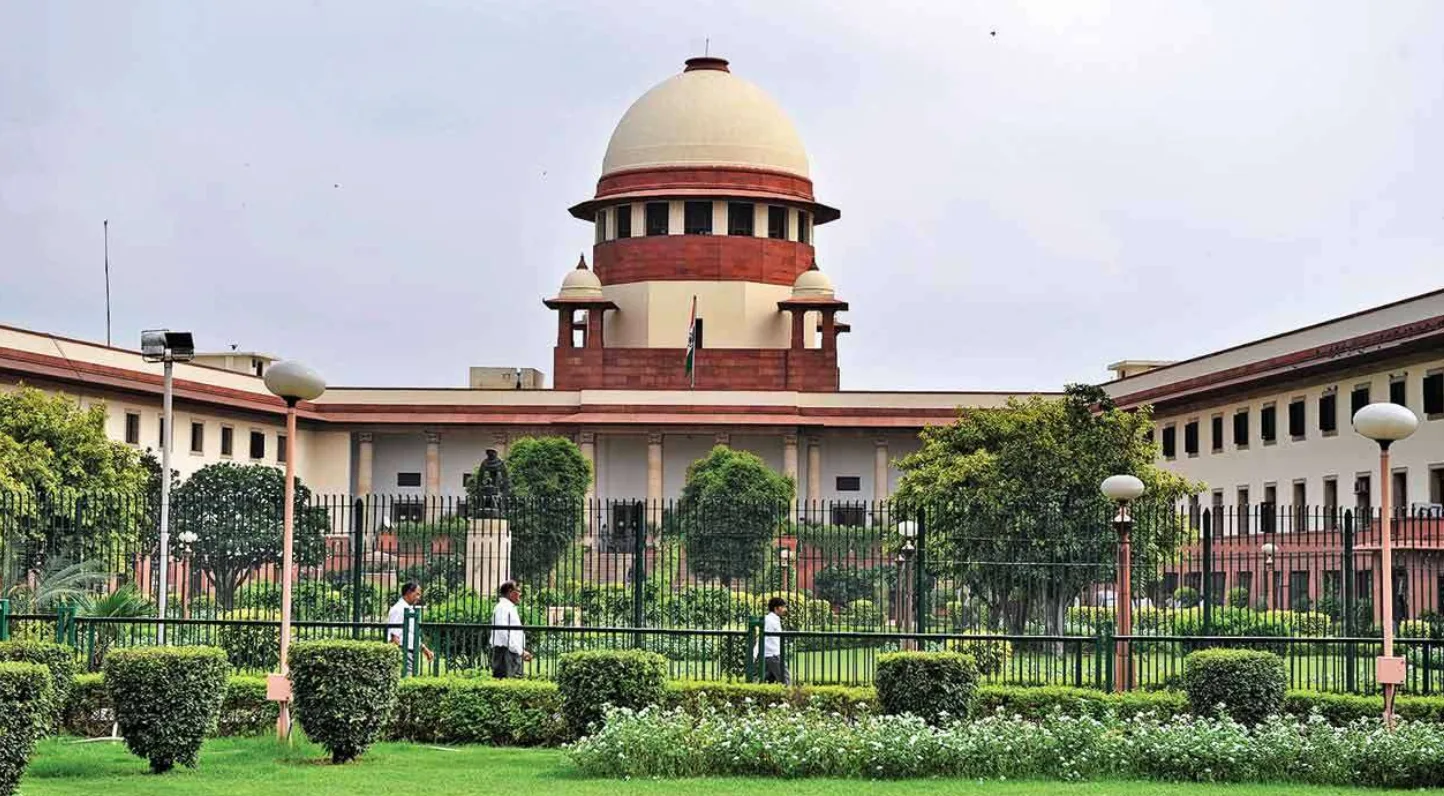
Supreme Court Questions Digital Arrest Scams, Considers Bank Liability for Cyber Fraud Losses
New Delhi, October 29, 2026: The Supreme Court of India has expressed serious concern over the continued prevalence of digital arrest scams, questioning why citizens, including educated individuals, continue to fall victim to fraudsters impersonating law enforcement officers and judicial authorities.
A three-judge Bench comprising Chief Justice of India Surya Kant, Justice Joymalya Bagchi and Justice V. Mohana was hearing the suo motu proceedings titled In Re: Victims of Digital Arrest Related to Forged Documents. Senior Advocate N.S. Nappinai, assisting the Court as amicus curiae, informed the Bench that such frauds continued despite public awareness campaigns and previous judicial interventions. She referred to a recent incident in which a woman allegedly lost ₹2.5 crore.
CJI Questions the Fear of Digital Arrest
Expressing frustration over the continued prevalence of these scams, CJI Surya Kant questioned how people could believe that they could be arrested through a mobile phone. He observed that victims should verify the authenticity of purported arrest orders and other official communications rather than comply with threats made during suspicious calls or video conferences.
The proceedings highlighted how fraudsters exploit fear of arrest, impersonate officials from agencies such as the Central Bureau of Investigation and the Enforcement Directorate, and sometimes use forged court documents to intimidate victims into transferring money.
Supreme Court Examines Banks' Responsibility
A major issue before the Court was whether banks and other financial institutions should bear greater responsibility for preventing suspicious transactions associated with digital arrest frauds.
The Bench questioned why banks could not identify transactions that substantially differed from a customer's established transaction history and temporarily withhold them until appropriate verification was completed. It also discussed whether banks should notify the relevant police authorities when suspicious transactions are detected.
Attorney General R. Venkataramani informed the Court that steps were being taken to improve the detection of suspicious transactions and that discussions with the Reserve Bank of India were underway regarding regulatory measures. He also indicated that the proposed framework was being developed for implementation.
Possible Compensation for Victims
The Chief Justice indicated that the Court was considering directions requiring banks to compensate victims and potentially face prosecution where digital fraud occurred because of a failure to exercise due diligence. The Bench also emphasised the need for mandatory preventive safeguards rather than relying solely on investigations after money had been lost.
The question of imposing such liability was discussed with the Attorney General, who raised concerns about the implications of court-directed liability and referred to the regulatory measures being developed by the RBI.
RBI's Proposed Regulatory Framework
The Court examined the proposed RBI KYC Amendment Directions, 2026, and the possibility of incorporating stronger protections for victims of digital arrest and other cyber frauds. The discussion included compensation where institutional failure to exercise due diligence contributed to the loss, temporary suspension of unusual transactions and verification procedures before funds were transferred.
The Court's observations underscore the growing judicial focus on institutional accountability, financial consumer protection and coordinated action against cyber-enabled financial crimes. The final scope of any binding directions must be determined from the Court's formal order and the applicable regulatory framework.
Legal Significance
The proceedings raise important questions about banking due diligence, prevention of cyber fraud, compensation for victims and the role of regulatory authorities in protecting customers. They also reinforce the importance of verifying purported court orders and official communications through authentic channels.
Important: The Court's observations and consideration of proposed measures should not be treated as a final, universally applicable rule making banks automatically liable for every digital arrest scam. The precise legal obligations will depend on the final judicial directions and applicable RBI regulations.