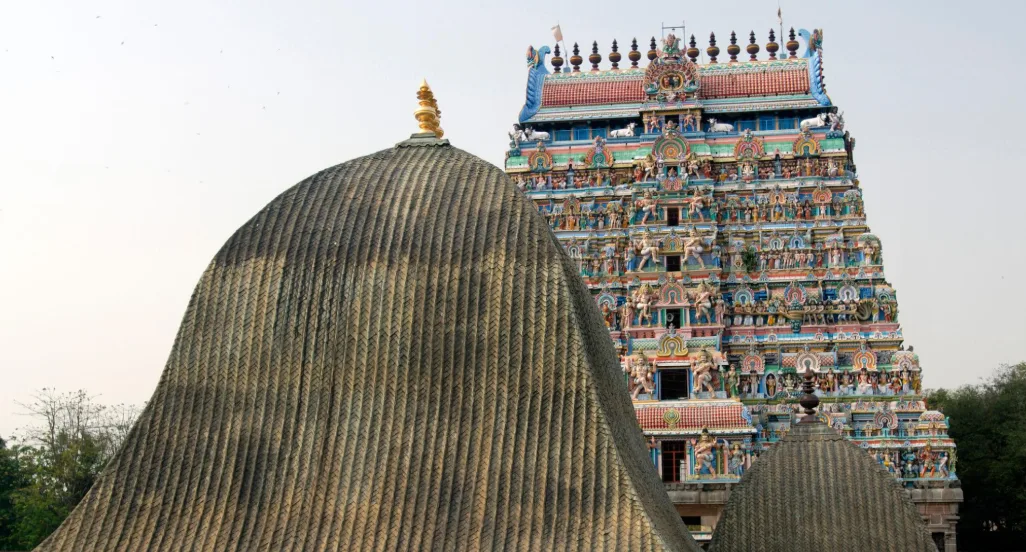
The Madras High Court has constituted a five-member Board of Management to oversee the administration of the historic Sri Sabanayagar Temple, popularly known as the Chidambaram Nataraja Temple in Tamil Nadu. The decision follows concerns regarding alleged maladministration, damage to heritage structures, encroachment of temple properties and financial irregularities under the existing management of the hereditary priests, known as the Podhu Dikshitars.
Background of the Dispute
The dispute arose from issues concerning the administration of the temple and a Tamil Nadu Government Order dated May 17, 2022, which permitted devotees to climb the Kanagasabai Mandapam to have darshan of Lord Nataraja.
The Podhu Dikshitars challenged the Government Order, contending that the State Government's intervention violated their constitutionally protected rights under Article 26 of the Constitution of India. They relied upon the Supreme Court's 2014 decision in Dr. Subramanian Swamy v. State of Tamil Nadu, which recognised the religious denomination's rights concerning the temple's administration.
Madras High Court's Observations
While examining the matter, the Division Bench comprising Justice G. Jayachandran and Justice E. Manoharan raised concerns regarding the overall administration and preservation of the temple.
The Court considered allegations and material relating to unauthorised constructions, damage to ancient sculptures and heritage structures, encroachment of temple properties, inadequate maintenance of financial accounts and the utilisation of temple premises for commercial activities.
The Bench also expressed concern over the management of donations collected for activities such as Annadhanam and Annapavadai. It emphasised the need for transparency, accountability and effective protection of the temple's historical assets.
Five-Member Board of Management Constituted
In view of the administrative concerns, the High Court constituted a five-member Board of Management to supervise the temple's administration.
The Board comprises:
- Justice V. Bharathidasan (Retd.) – Chairman.
- Justice R. Suresh Kumar (Retd.) – Co-Chairman.
- C. Rajendran, IAS (Retd.) – Member.
- Secretary of the Podhu Dikshitars, Sri Sabanayagar Temple – Ex-officio Member.
- Secretary to the Tamil Nadu Government, Hindu Religious and Charitable Endowments Department – Ex-officio Member.
The Board has been directed to assume administrative supervision and address the issues identified by the Court.
Responsibilities of the Newly Constituted Board
The High Court assigned several responsibilities to the Board to ensure proper administration and preservation of the temple.
- Ensure fair and equal opportunities for devotees to have darshan from the Kanagasabai, without disturbing established religious customs.
- Take appropriate steps to remove unauthorised constructions in consultation with the Tamil Nadu Heritage Commission.
- Identify and recover encroached temple properties.
- Collect outstanding rents and ensure proper management of temple assets.
- Prepare an inventory of movable assets and valuables and ensure their protection.
- Maintain proper financial records and introduce transparency in the management of donations.
- Implement a single-window electronic payment system for financial transactions.
Podhu Dikshitars Retain Control Over Religious Rituals
Importantly, the High Court clarified that the Podhu Dikshitars would retain exclusive authority over the performance of daily rituals and periodic festivals in accordance with established customs and religious practices.
The judgment therefore distinguishes between the administrative supervision of the temple and the performance of its religious functions. The existing fixed deposits and other income managed by the Podhu Dikshitars will remain under their control, subject to the financial reporting requirements imposed by the Court.
The Secretary of the Podhu Dikshitars has also been directed to submit accounts to the Board by the fifth day of every calendar month.
Constitutional Significance of the Decision
The decision raises important questions concerning the relationship between religious autonomy and administrative accountability. Article 26 of the Constitution protects the rights of religious denominations to manage their own affairs in matters of religion. However, the administration of institutional assets, financial resources and heritage properties also raises questions of transparency and public accountability.
By constituting a Board of Management while preserving the Podhu Dikshitars' authority over religious rituals, the Madras High Court has adopted an approach that distinguishes religious functions from administrative responsibilities.
Conclusion
The Madras High Court's intervention marks a significant development in the law governing religious institutions and temple administration in India. The constitution of a five-member Board seeks to strengthen financial transparency, protect historical structures and ensure better administration of the Chidambaram Nataraja Temple while preserving the religious practices of the Podhu Dikshitars.
The decision is particularly significant for understanding the constitutional balance between religious freedom under Article 26 and the need for accountability in the administration of religious institutions.