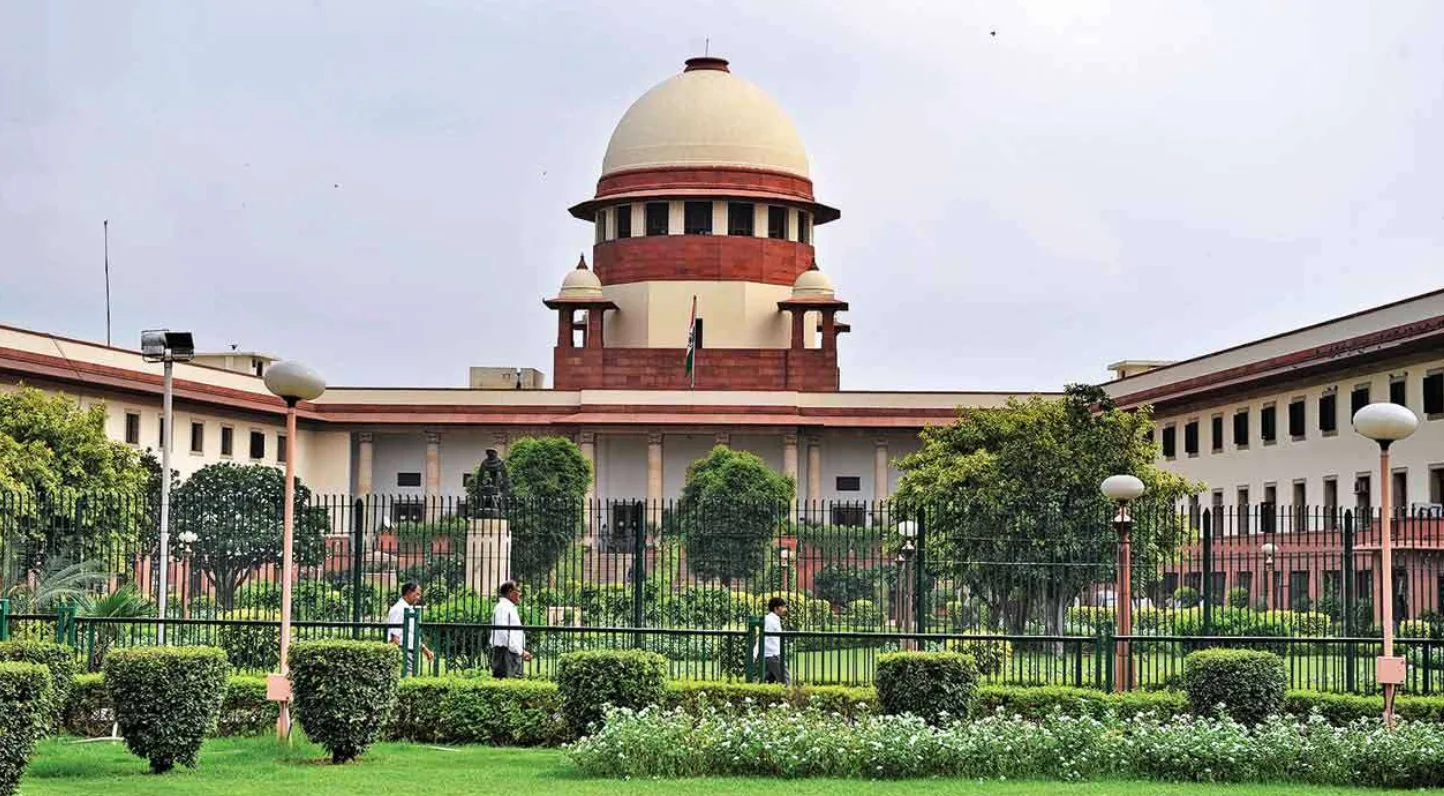
Supreme Court Sets Aside ₹1 Lakh Costs Imposed on Income Tax Department for Summoning Witness
New Delhi, 27 October 2026: The Supreme Court of India has set aside costs imposed on the Income Tax Department for summoning a witness and bringing additional documents on record during a criminal trial. In Deputy Commissioner of Income Tax v. Ritu Verma, the Court held that imposing costs was unwarranted in the circumstances where the trial court had itself found the proposed evidence necessary for deciding the case.
Background of the Case
The Income Tax Department had initiated three criminal complaints against Ritu Verma under Section 276C(1) of the Income-tax Act, 1961, concerning alleged wilful attempts to evade tax. During the proceedings, the Department filed applications under Section 311 of the Code of Criminal Procedure, 1973, seeking to summon a complainant witness and introduce additional documents into evidence.
On 25 March 2023, the Additional Chief Metropolitan Magistrate (Special Acts) at Tis Hazari Courts, Delhi, allowed the applications but imposed costs of ₹1 lakh in each case. The Department challenged the order. Subsequently, the Delhi High Court reduced the costs by half in its order dated 28 August 2024. The Department then approached the Supreme Court.
Supreme Court's Observations
A Bench comprising Justice Sandeep Mehta and Justice Devendra Kumar Upadhyaya examined the scope and purpose of Section 311 CrPC. The provision empowers courts to summon, examine, recall or re-examine witnesses at any stage of an inquiry, trial or other proceeding. It also requires the court to exercise this power when the proposed evidence appears essential to a just decision.
The Court reiterated that the provision is intended to facilitate the discovery of truth and ensure a fair adjudication, rather than to favour either party. Since the Magistrate had found the witness and additional documents necessary for deciding the issues, imposing costs for allowing the applications was unwarranted in the circumstances.
The Court also emphasised the importance of permitting necessary documents to be duly proved once they have been accepted on record. Otherwise, the purpose of allowing relevant evidence to assist the adjudication could be defeated.
Decision
The Supreme Court allowed the Department's appeals and set aside the portions of the lower courts' orders imposing costs. The ruling concerned the costs attached to the evidentiary applications; it did not decide the merits of the underlying tax-evasion prosecutions, which remain pending before the trial court.
Legal Significance
The decision underscores that procedural powers relating to witnesses and evidence must be exercised to advance justice. Where a court finds evidence necessary for resolving the issues in a trial, the imposition of costs merely for permitting that evidence may be inappropriate.
Section 311 CrPC corresponds to Section 348 of the Bharatiya Nagarik Suraksha Sanhita, 2023 (BNSS), which governs the summoning, examination, recall and re-examination of witnesses under the new criminal procedure framework.