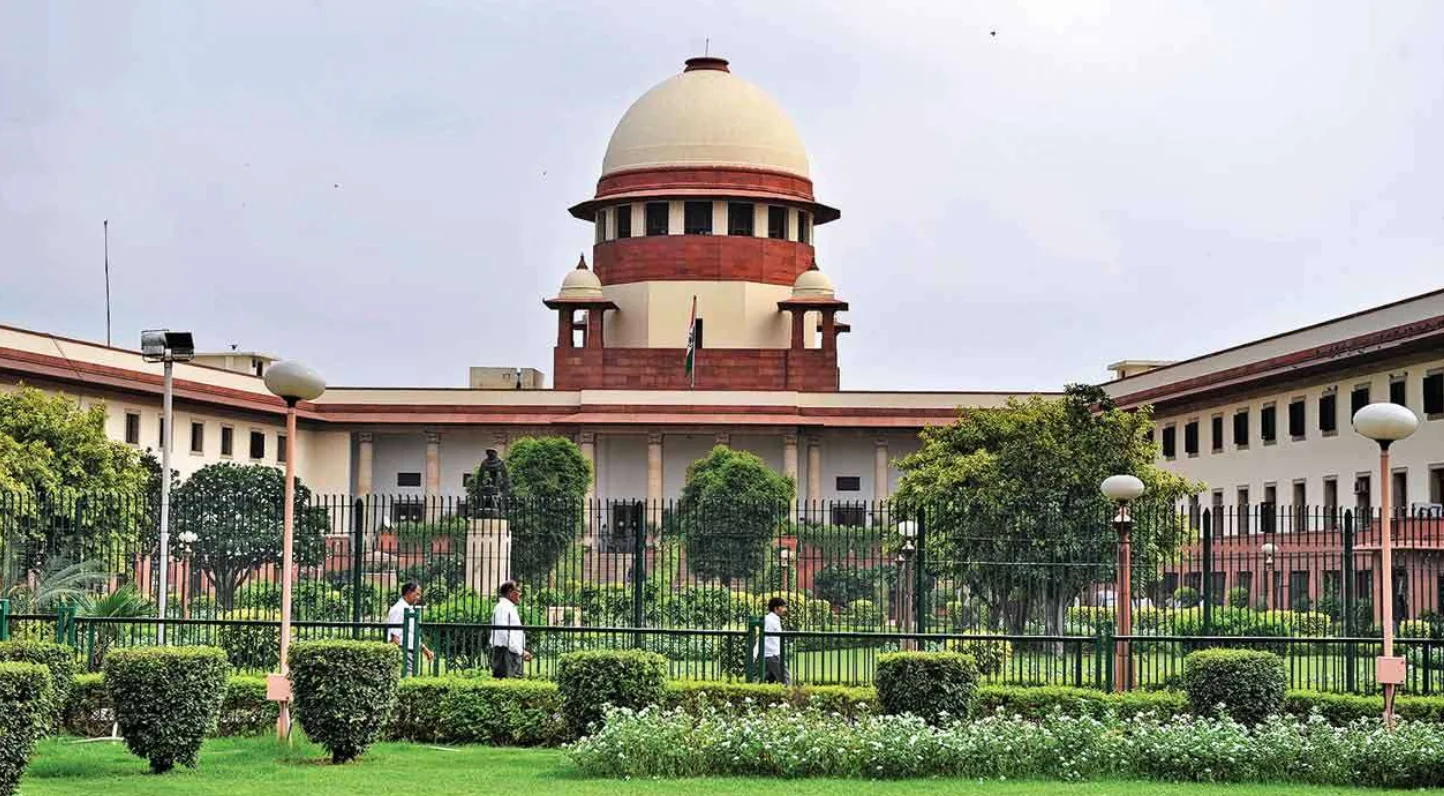
Supreme Court Restores Life Sentence of Former Karnataka MLA in Murder Case
The Supreme Court of India has set aside the Karnataka High Court's orders suspending the conviction and life sentence of former Congress MLA Vinay Kulkarni in the 2016 murder of BJP Zilla Panchayat member Yogesh Gowda. The decision, delivered on November 25, 2026, also cancels the bail granted to other convicts in the case and directs them to surrender before the concerned court within two weeks.
A Bench comprising Justice Prashant Kumar Mishra and Justice Shree Chandrashekhar held that suspension of a conviction is an exceptional judicial remedy and cannot be granted merely because an appeal is pending or because the conviction may result in the disqualification of an elected representative.
Supreme Court's Observations on Stay of Conviction
The Court emphasised that staying a conviction requires a substantially higher threshold than establishing a prima facie case. The applicant must demonstrate a palpable error in the judgment of conviction, apparent from the record, which renders the conviction legally unsustainable.
The Bench observed that the Karnataka High Court had not identified any such apparent error in the trial court's judgment. Merely recording rival submissions and postponing consideration of the issues until the final hearing of the appeal was insufficient to justify a stay of conviction.
The Supreme Court further clarified that the possibility of disqualification from the Legislative Assembly cannot independently justify suspending a conviction. Disqualification under Section 8(3) of the Representation of the People Act, 1951, follows as a statutory consequence of conviction and cannot be avoided merely because the convicted legislator has filed an appeal.
Long Pendency of Appeals Not Sufficient for Suspension of Sentence
The Court also disapproved of the suspension of sentences granted to other convicts. It held that the mere pendency of criminal appeals or the possibility of delayed hearings cannot automatically justify the suspension of sentences in grave offences such as murder, rape, dacoity and kidnapping for ransom.
According to the Bench, delays in deciding criminal appeals are a genuine concern, but the issue must primarily be addressed through administrative measures by the High Courts rather than by routinely granting sentence suspension to life convicts.
Background of the Yogesh Gowda Murder Case
Yogesh Gowda, a BJP Zilla Panchayat member, was murdered on June 15, 2016, near his gym in Dharwad, Karnataka. The case was initially investigated by the local police before being transferred to the Central Bureau of Investigation (CBI) in 2019.
The CBI alleged that Vinay Kulkarni was the principal conspirator behind the murder, which was allegedly motivated by political rivalry. The investigation also involved allegations of manipulation of evidence and irregularities in the initial police investigation.
On April 15, 2026, a Special Court in Bengaluru convicted Kulkarni and other accused. On April 17, 2026, the court sentenced 16 individuals to life imprisonment, while another accused, a police officer, received a seven-year prison sentence for offences relating to the investigation.
On July 31, 2026, the Karnataka High Court suspended the sentences of several convicts and stayed Kulkarni's conviction, granting them relief during the pendency of their appeals.
Supreme Court's Final Directions
Allowing the appeals, the Supreme Court set aside the Karnataka High Court orders under challenge, cancelled the bail bonds furnished by the affected convicts and directed them to surrender before the concerned court within two weeks.
The decision reinforces the principle that suspension of conviction and sentence requires careful judicial scrutiny, particularly in serious criminal cases involving elected public representatives.
Source: Supreme Court of India, judgment dated November 25, 2026, in the connected criminal appeals arising out of the Yogesh Gowda murder case.