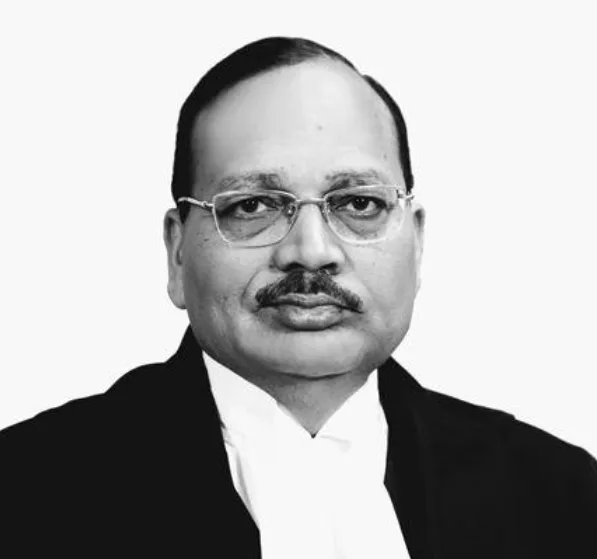
Chief Justice of India (CJI) Justice Surya Kant has called for deeper cooperation between India and Singapore in international arbitration, mediation and commercial dispute resolution, emphasising the importance of institutional collaboration, professional standards and early dispute resolution mechanisms.
The Chief Justice delivered his message through a video address at the Indian Council of Arbitration's (ICA) symposium titled "India–Singapore: From Shared Legal Foundations to the Future", held at The Fullerton Hotel in Singapore on November 27, 2026. The event marked the 200th anniversary of Singapore's Second Charter of Justice, granted in 1826.
Predictable Dispute Resolution Essential for Commercial Confidence
Justice Surya Kant observed that predictable dispute resolution plays a significant role in strengthening investor confidence and facilitating commercial relationships between the two countries.
He highlighted opportunities for India and Singapore to exchange expertise in institutional design, professional standards, legal training and technology. According to the Chief Justice, cooperation should be reciprocal, allowing both jurisdictions to learn from each other's experiences rather than replicate existing institutional models.
He also highlighted the importance of early mediation in resolving commercial disputes, noting that a mutually acceptable settlement can sometimes be more beneficial than prolonged adversarial proceedings.
Growing Importance of Mediation in India
The CJI referred to India's expanding mediation framework, including the establishment of the Mediation Council of India, as an important development in strengthening alternative dispute resolution (ADR).
He identified multi-tiered dispute resolution clauses as a potential area of cooperation. Such clauses can require parties to attempt negotiation or mediation before proceeding to arbitration or litigation.
The approach could help businesses resolve disagreements at an earlier stage, reduce litigation costs and preserve commercial relationships.
India–Singapore Legal Cooperation
Justice Surya Kant also referred to the 2024 Memorandum of Understanding on Cooperation in Law and Dispute Resolution between India and Singapore, the first meeting of the India–Singapore Joint Consultative Committee in 2025, and the ADR Conclave organised by ICA in New Delhi on September 10, 2026.
He emphasised that bilateral cooperation should facilitate the exchange of institutional knowledge, professional opportunities and legal expertise.
Singapore Highlights India's Growing Role in International Arbitration
Singapore's Minister for Law and Second Minister for Home Affairs, Edwin Tong SC, also addressed the symposium.
He noted that India remains an important jurisdiction for the Singapore International Arbitration Centre (SIAC). According to his remarks, 178 Indian parties participated in SIAC arbitrations in the previous year, making India the centre's third-largest foreign user jurisdiction.
Tong also highlighted challenges arising from complex commercial transactions involving multiple contracts and interconnected parties, which can result in disputes being pursued before different forums and potentially produce inconsistent outcomes.
He called for greater innovation by arbitration institutions, courts and legal practitioners to address these challenges while respecting the principle of party consent.
Economic Significance of Stronger Legal Cooperation
Justice Surya Kant highlighted the growth of bilateral trade between India and Singapore, which increased from approximately US$6.7 billion in 2004–05 to US$34.3 billion in 2024–25.
He also noted Singapore's position as a major source of foreign direct investment into India, with cumulative FDI inflows of approximately US$174.88 billion between April 2000 and March 2025.
The symposium also featured discussions on commercial justice, commercial continuity and the future of the legal profession.
What Lies Ahead?
The discussions underline the growing importance of efficient cross-border dispute resolution mechanisms in supporting international investment and commercial partnerships.
Stronger institutional cooperation, greater professional exchange and increased emphasis on early mediation could contribute to a more predictable and commercially effective dispute resolution environment for businesses operating across both jurisdictions.
While the Chief Justice's remarks do not constitute a new binding judicial direction or judgment, they signal an institutional push towards stronger arbitration infrastructure, early mediation and closer legal cooperation between India and Singapore.