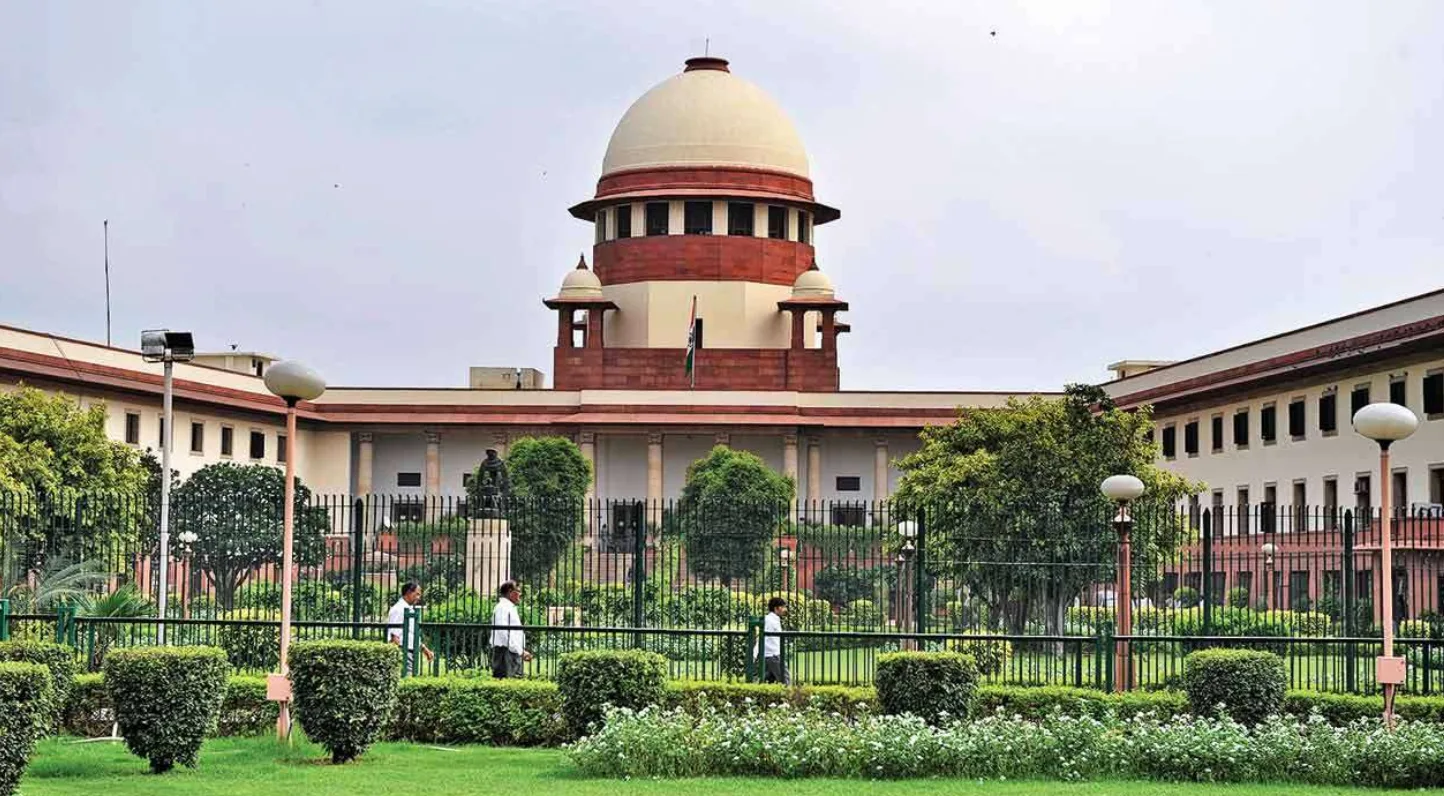
The distinction between the juridical seat and venue of arbitration has once again come into focus following the Supreme Court's decision in Arcis Clean Energy Pvt. Ltd. v. Parshva Innovation (2026 INSC 1109). The ruling highlights the importance of interpreting arbitration agreements as a whole when different contractual provisions identify different locations for arbitration.
Conflicting Arbitration Clauses
The dispute arose from a franchise agreement containing conflicting geographical references. Clause 32.4 specified Delhi as the location of arbitration, while Clause 32.5 stated that arbitration proceedings would be held in Goa. Additionally, Clause 38 conferred exclusive jurisdiction upon competent courts in Goa.
The Supreme Court examined these provisions collectively and concluded that Goa was the juridical seat of arbitration, whereas Delhi was merely a venue. It consequently held that the Delhi High Court lacked jurisdiction to entertain the application for appointment of an arbitrator under Section 11(6) of the Arbitration and Conciliation Act, 1996. The appeal was allowed and the High Court's order was set aside.
Understanding the Seat and Venue of Arbitration
The juridical seat represents the legal home of arbitration and ordinarily determines which courts exercise supervisory jurisdiction over the proceedings. The venue, on the other hand, generally refers to the physical location where hearings or other arbitral proceedings take place.
The distinction is significant because selecting the wrong jurisdiction can affect applications for appointment of arbitrators, challenges to arbitral awards and other supervisory proceedings.
Judicial Principles on Party Autonomy
The Supreme Court's approach must be understood alongside important precedents, including:
- Bharat Aluminium Co. v. Kaiser Aluminium Technical Services Inc. (2012);
- Enercon (India) Ltd. v. Enercon GmbH (2014);
- Indus Mobile Distribution Pvt. Ltd. v. Datawind Innovations Pvt. Ltd. (2017);
- BGS SGS Soma JV v. NHPC Ltd. (2020).
These decisions establish that courts must examine the arbitration agreement in its entirety rather than determine the juridical seat merely by relying on the geographical reference used in one clause.
In BBR (India) Pvt. Ltd. v. S.P. Singla Constructions Pvt. Ltd. (2022), the Supreme Court also clarified that shifting arbitral hearings to another location does not automatically change an already established juridical seat.
The Mahanadi Coalfields Decision
Another significant development is Mahanadi Coalfields Ltd. v. GSCO Infrastructure Pvt. Ltd. (2026 INSC 1038), where the Supreme Court reiterated that the location of arbitral hearings does not automatically become the juridical seat.
The Court held that Cuttack could not be treated as the seat merely because the arbitrator conducted proceedings there for convenience. It restored the Section 34 challenge to the District Judge, Sundargarh, clarifying the territorial jurisdiction of courts in arbitration-related proceedings.
The Need for Greater Legislative Clarity
Section