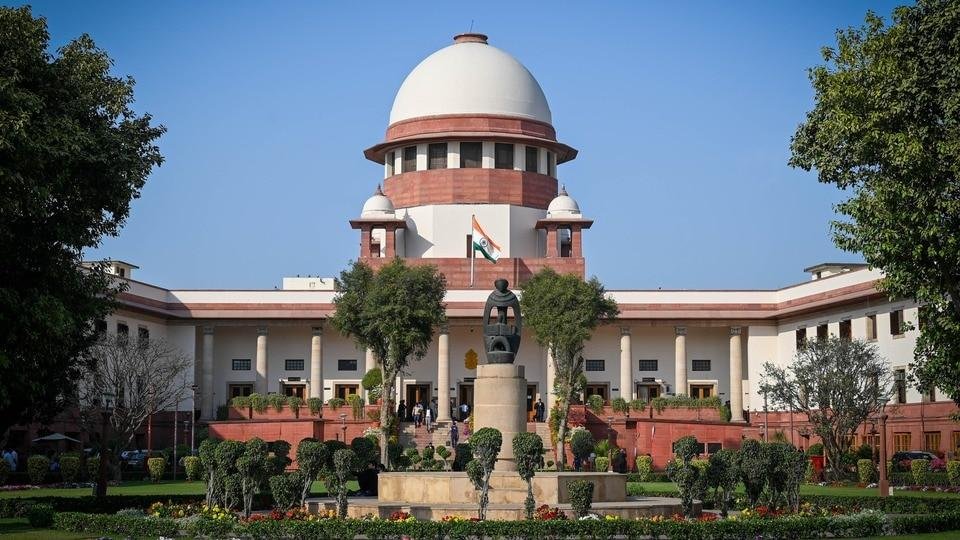
The Supreme Court of India has directed all States and Union Territories to frame a comprehensive policy governing the premature release of elderly and terminally ill prisoners, marking a significant step toward strengthening humanitarian safeguards within the criminal justice system.
The direction comes in proceedings concerning the treatment and continued incarceration of aged and critically ill inmates. The Court observed that prison administration must balance the objectives of punishment and deterrence with constitutional principles of dignity, humanity, and rehabilitation.
Recognizing the growing number of elderly prisoners and inmates suffering from severe medical conditions, the Court instructed governments to formulate clear guidelines identifying eligibility criteria, procedural safeguards, and mechanisms for reviewing cases of premature release. The Court also emphasized the need to define medical conditions that may qualify for compassionate consideration.
The Bench noted that States should establish transparent procedures for assessing applications, obtaining medical evaluations, and ensuring that deserving prisoners are not deprived of relief due to administrative delays. The Court further suggested that authorities may draw guidance from international standards relating to prisoners with special needs while designing their policies.
The ruling follows concerns raised regarding the absence of a uniform framework across jurisdictions, resulting in inconsistent treatment of similarly situated prisoners. The Court highlighted that humanitarian considerations become particularly relevant where prisoners are advanced in age, suffer from terminal illnesses, or are unable to receive adequate care within correctional facilities.
Legal experts have described the development as an important advancement in prison reform jurisprudence. The decision reinforces the constitutional commitment to preserving human dignity even during incarceration and may significantly influence future remission and compassionate release policies across India.
The Court has sought compliance from States and Union Territories and is expected to monitor the implementation of the proposed framework in subsequent hearings.