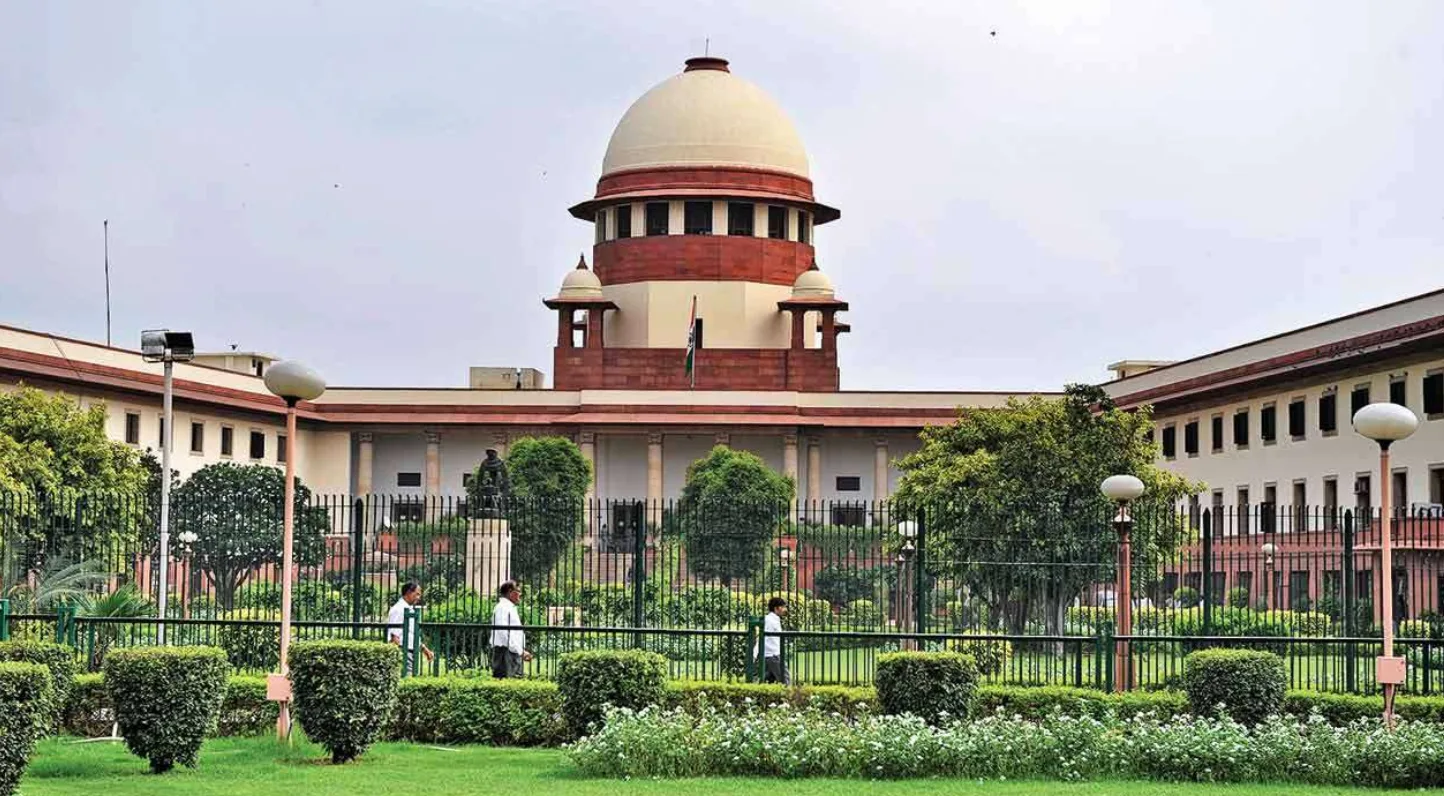
New Delhi, January 29, 2026: The Supreme Court of India has clarified the jurisdiction of courts to extend the mandate of an arbitral tribunal under Section 29A of the Arbitration and Conciliation Act, 1996. In Jagdeep Chowgule v. Sheela Chowgule & Others, the Court held that applications seeking an extension of the arbitral timeline must be filed before the court defined under Section 2(1)(e) of the Act, regardless of which authority appointed the arbitrator.
Background of the Case
The dispute arose from a Memorandum of Family Settlement dated January 11, 2021. Following disagreements among the parties, arbitration proceedings commenced. During the proceedings, an application was filed before the Commercial Court seeking an extension of time under Section 29A of the Act. Subsequently, after the presiding arbitrator resigned, the Bombay High Court at Goa appointed a replacement arbitrator under Section 11.
The Commercial Court extended the time available for making the arbitral award. However, the Bombay High Court subsequently set aside that order, reasoning that the application for extension should have been considered by the High Court because it had appointed the arbitrator. The dispute reached the Supreme Court for a determination of the appropriate forum.
Supreme Court’s Observations
A Bench comprising Justice Pamidighantam Sri Narasimha and Justice R. Mahadevan examined the relationship between Sections 2(1)(e), 11 and 29A of the Arbitration and Conciliation Act, 1996.
The Court held that the expression “Court” under Section 29A must be interpreted in accordance with the definition provided under Section 2(1)(e). This ordinarily refers to the principal civil court of original jurisdiction in a district and includes a High Court exercising ordinary original civil jurisdiction, where applicable.
The Court clarified that the authority that appoints an arbitrator under Section 11 does not automatically acquire continuing supervisory jurisdiction over the arbitration proceedings. Once the arbitral tribunal has been constituted, the appointment jurisdiction under Section 11 stands exhausted.
Consequently, the fact that a High Court appointed an arbitrator does not, by itself, prevent the competent civil or commercial court from considering an application under Section 29A for extending the time available to make the arbitral award.
Relationship Between Sections 11, 29A and 42
The Supreme Court distinguished the limited jurisdiction exercised during the appointment of an arbitrator under Section 11 from the judicial supervision contemplated under Section 29A. It also clarified that Section 42 does not automatically require a Section 29A application to be filed before the High Court merely because an earlier application for appointment was made there.
The ruling reinforces the principle that a court’s jurisdiction must arise from the governing statute rather than assumptions based on judicial hierarchy or the identity of the authority that made the appointment.
Final Decision
The Supreme Court allowed the appeals, set aside the contrary orders of the Bombay High Court and restored the Commercial Court’s order extending the arbitral timeline. The parties were permitted to seek a further extension before the competent Commercial Court in accordance with Section 29A.
Legal Significance
The judgment provides clarity on the appropriate forum for applications seeking an extension of an arbitral tribunal’s mandate. It distinguishes the power to appoint an arbitrator from the authority to supervise the progress of arbitration proceedings, helping litigants identify the correct court and reducing jurisdictional disputes.
Case: Jagdeep Chowgule v. Sheela Chowgule & Others
Court: Supreme Court of India
Decision date: January 29, 2026
Relevant provisions: Sections 2(1)(e), 11, 29A and 42 of the Arbitration and Conciliation Act, 1996.