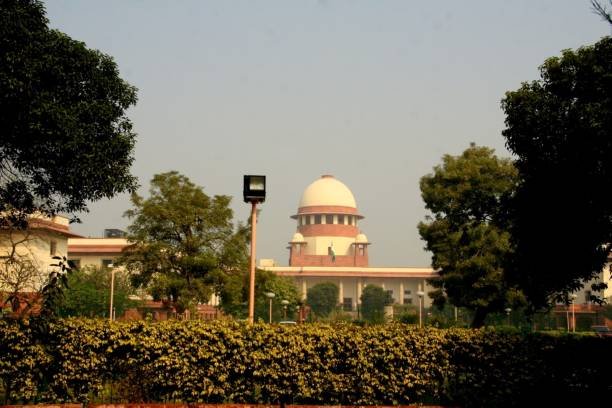
Section 17A PC Act Doesn't Apply To Bribe Demand As It Is Unconnected To Official Duty: Supreme Court
✍️ By Roojhal Jain📅 20 Oct 2026🔄 Updated 22 Oct 2026👤 For: All Legal Professionals📰 Source:
LiveLaw
The Supreme Court held that the prior approval requirement under Section 17A of the Prevention of Corruption Act does not apply to cases involving a demand and acceptance of bribes, as corrupt acts have no nexus with the discharge of official public duties.
⚖️ Case Details
ejaram v. State of Rajasthan
Supreme Court of India
Supreme Court Bench
20 Oct 2026
2026 LiveLaw (SC) 1070
Whether prior approval under Section 17A of the Prevention of Corruption Act is a mandatory prerequisite for investigating or prosecuting public servants caught in direct bribery and trap cases.
The Supreme Court of India on October 20, 2026, delivered a critical ruling clarifying the scope of statutory protection under Section 17A of the Prevention of Corruption (PC) Act, 1988, holding that seeking or accepting illegal gratification cannot be shielded under the guise of official duty.
Scope of Section 17A of the Prevention of Corruption Act
A Bench of the Supreme Court examined whether the mandatory requirement of obtaining prior approval from the competent authority under Section 17A applies to trap cases and direct allegations of bribery.
Key Observations and Legal Principles
No Nexus with Official Duty: The Court ruled that demanding or accepting a bribe is entirely unconnected to the discharge of official functions or public duties. Consequently, the procedural safeguard of prior sanction under Section 17A cannot be invoked to quash corruption proceedings or trap cases.
Combating Corruption: Emphasizing legislative intent, the Bench noted that statutory filters designed to protect honest bureaucrats from malicious prosecution for bona fide policy decisions cannot be abused to protect individuals caught demanding illegal gratification.
The Supreme Court accordingly dismissed the appeal, upholding the Rajasthan High Court's judgment.
📌 Held by the Court
The Supreme Court held that Section 17A does not apply to bribe demands since corrupt acts have no connection to official duties, dismissing the appeal.
⚡ Practical Impact
Streamlines anti-corruption investigations by removing procedural hurdles for prosecuting direct bribery and trap cases against public officials.
👔 For Lawyers & Advocates
Vital reference for criminal defense attorneys, anti-corruption prosecution counsel, and practitioners dealing with the Prevention of Corruption Act.
🤖 Key Takeaway
Statutory safeguards shielding public servants from hasty prosecution apply exclusively to bona fide administrative decisions, not to acts of corruption or bribery.
About the author:Roojhal Jain, Legal Content Writer, Lexnomik
Roojhal Jain is a legal content writer at Lexnomik. He writes case updates, legal news and explainers that help legal professionals see what changed and why it matters. His work follows Lexnomik's editorial policy of checking every item aga…