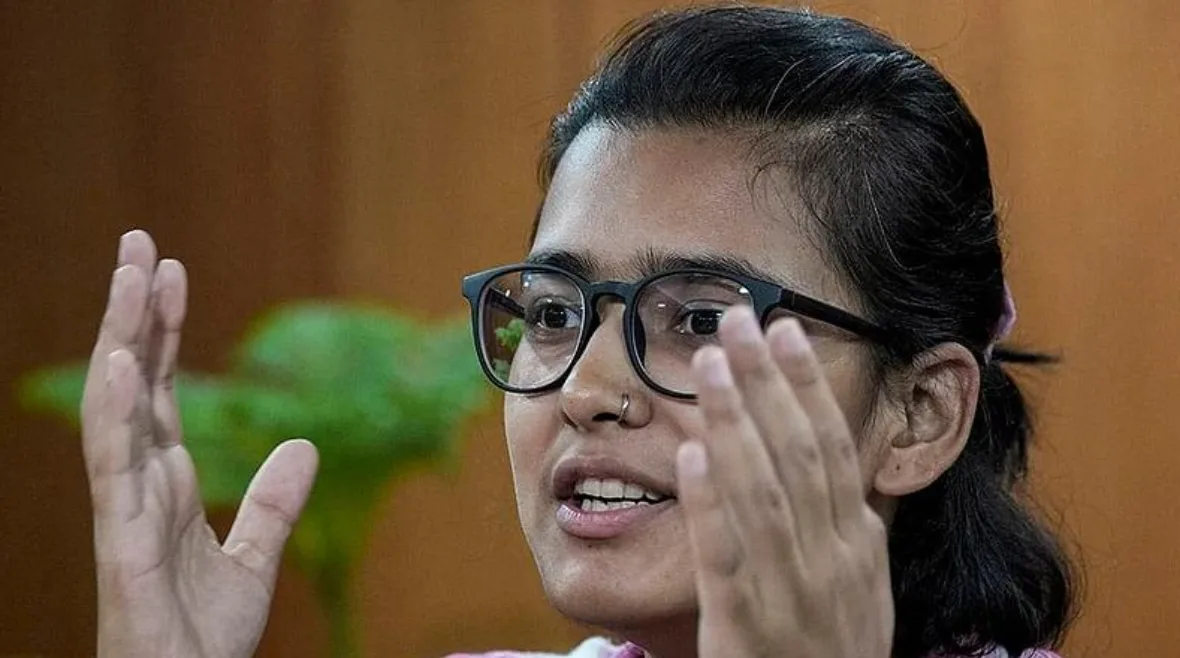
The Delhi High Court on October 23, 2026, rejected a petition filed by All India Students’ Association (AISA) president Neha Bora challenging a notice requiring her to show cause why she should not execute a peace bond in proceedings initiated by the police.
Background of the Case
The matter arose after Bora was detained on October 16, 2026, at Mandi House in New Delhi in connection with a protest. She was released the following morning. On October 17, a Special Executive Magistrate issued a notice requiring her to appear and explain why she should not furnish a personal bond of ₹10,000 with one surety to maintain peace during the inquiry.
The notice referred to allegations concerning sloganeering at Mandi House, previous protest-related activities around Jantar Mantar despite prohibitory orders, and alleged involvement in a demonstration at Connaught Place. These were allegations cited in the notice and were disputed by Bora.
Challenge Before the High Court
Bora challenged the notice, arguing that it was vague, factually incorrect and unsupported by sufficient material demonstrating a likelihood of breach of peace. Her plea alleged that preventive powers were being used to restrict peaceful dissent and invoked the constitutional protections under Articles 19(1)(a), 19(1)(b) and 21.
The State opposed the challenge, maintaining that the proceedings were preventive in nature and that the statutory process had been followed.
High Court’s Decision
Justice Subramonium Prasad rejected the petition on October 23, 2026. According to published reports, the Court observed that adequate safeguards existed and directed the Special Executive Magistrate to ensure that Bora received all relevant materials before passing an order in the inquiry.
Relevant Legal Provisions
The notice was issued under Sections 126 and 130 of the Bharatiya Nagarik Suraksha Sanhita, 2023 (BNSS), read with Section 135(3). These provisions concern preventive proceedings intended to address apprehended breaches of peace, including the process for requiring a person to show cause and, in specified circumstances, furnish a bond.
Significance
The development highlights the interaction between preventive criminal procedure, public-order concerns and the constitutional protection of peaceful speech and assembly. The direction to provide relevant materials underscores the importance of procedural safeguards during preventive proceedings. The detailed written order should be consulted once officially available to determine the precise reasoning and scope of the decision.