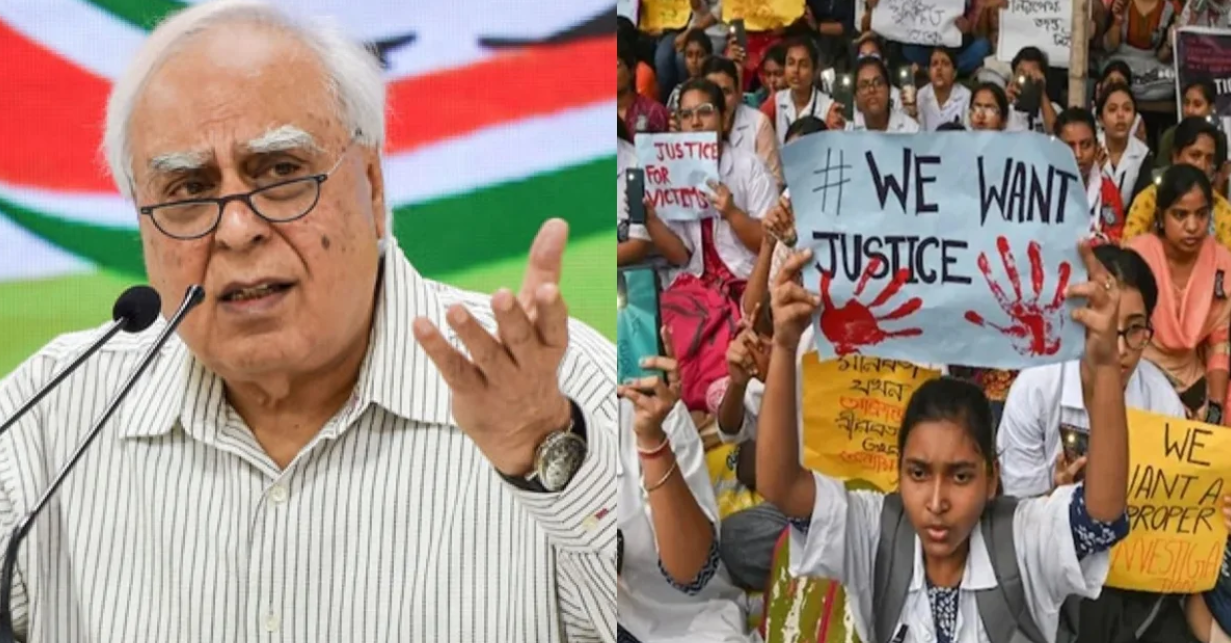
New Delhi: Senior Advocate and Rajya Sabha Member of Parliament Kapil Sibal has condemned the Delhi Police's actions against students participating in the Cockroach Janta Party (CJP) protest, calling for an independent investigation into allegations of excessive force used during demonstrations in the national capital.
The remarks come amid nationwide attention on the student-led movement demanding accountability over examination irregularities, paper leak allegations, and broader education reforms. The protests intensified following a "Sansad Chalo" march that resulted in clashes between demonstrators and law enforcement authorities.
According to reports, several students and protesters sustained injuries during the confrontation. Opposition leaders and civil society groups have questioned the proportionality of the police response, while Delhi Police has maintained that force was used only after protesters allegedly attempted to breach barricades and ignored repeated warnings.
Kapil Sibal expressed concern over the treatment of students and emphasized that democratic dissent is protected under the Constitution. He argued that allegations of police excesses must be independently examined to ensure accountability and maintain public confidence in law enforcement institutions.
The controversy has triggered broader debates on the right to peaceful protest, police powers in managing public assemblies, and the balance between maintaining public order and protecting fundamental rights.
Several political leaders have echoed demands for accountability, while legal observers note that any inquiry may examine compliance with constitutional safeguards, policing protocols, and standards governing crowd-control measures.
Meanwhile, Delhi Police has defended its actions, asserting that prohibitory restrictions were in force and that officers acted to prevent protesters from reaching restricted areas near Parliament. Authorities have also rejected certain allegations regarding the use of prohibited crowd-control methods.
The developments are expected to generate further legal and political scrutiny, particularly regarding the protection of civil liberties, freedom of speech, and the right to peaceful assembly under Articles 19 and 21 of the Constitution of India.