Delhi Court Finds Sharjeel Imam Apparently Violated Interim Bail Condition During Brother’s Media Interview
A Delhi court has reportedly held that Sharjeel Imam, an accused in the 2020 northeast Delhi riots larger-conspiracy case, apparently violated a condition imposed while granting him interim bail after he was found to be present in a room where a media person interviewed his brother.
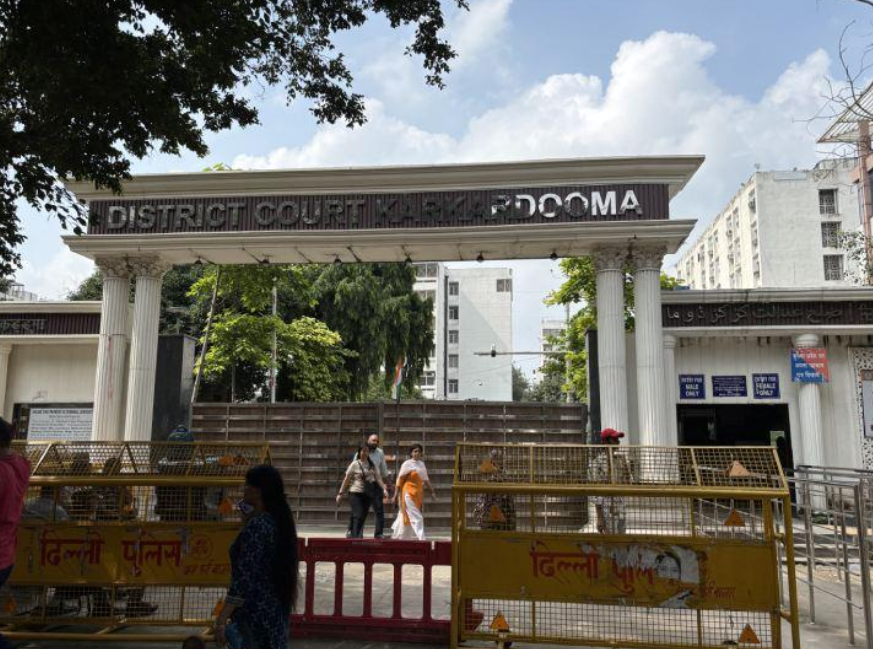
Additional Sessions Judge Sameer Bajpai of the Karkardooma Courts considered an application filed by the Delhi Police seeking action over the alleged breach of bail conditions. Imam had been granted interim bail for seven days, from October 4 to October 10, 2026, to attend his cousin’s wedding functions.
Interim Bail Conditions and Prosecution's Allegations
The interim bail order prohibited Imam from using social media or coming into contact with media persons. The conditions also restricted his meetings to family members, relatives and friends during the period of temporary release.
The prosecution relied on videos circulated on YouTube and social media platform X, alleging that Imam was present when a media person from ANI interviewed his brother. The Delhi Police argued that his presence in the room amounted to a violation of the express restrictions imposed by the court.
Defence Arguments and Court's Assessment
Imam's counsel denied that he had given an interview, interacted with any journalist or used social media in violation of the order. The defence argued that the video was a compilation of separate clips, including an interview given by Imam's brother, who was not himself subject to the same restrictions.
After examining the available footage, the court reportedly observed that the relevant clips appeared to have been recorded in the same room and at approximately the same time. It concluded that Imam was, in all probability, present when the interview was being conducted and observed that the circumstances apparently showed a breach of the relevant bail condition.
Significance of the Proceedings
The matter highlights the importance of complying with conditions attached to interim bail. Courts may impose specific restrictions when granting temporary liberty, and alleged non-compliance can lead to further judicial scrutiny and an application seeking cancellation of bail.
Reports published on October 10, 2026, differ on whether the court ultimately cancelled Imam's interim bail or declined to do so because the period was due to expire and he was expected to surrender. The final operative order should therefore be checked before the outcome of the cancellation application is stated definitively.
The underlying case concerns allegations relating to the larger conspiracy behind the February 2020 northeast Delhi riots. Imam faces proceedings under the Unlawful Activities (Prevention) Act and other criminal-law provisions. The allegations in the underlying case should not be treated as established guilt.
Source: LiveLaw, Bar & Bench, and ThePrint/PTI reports dated October 10, 2026.