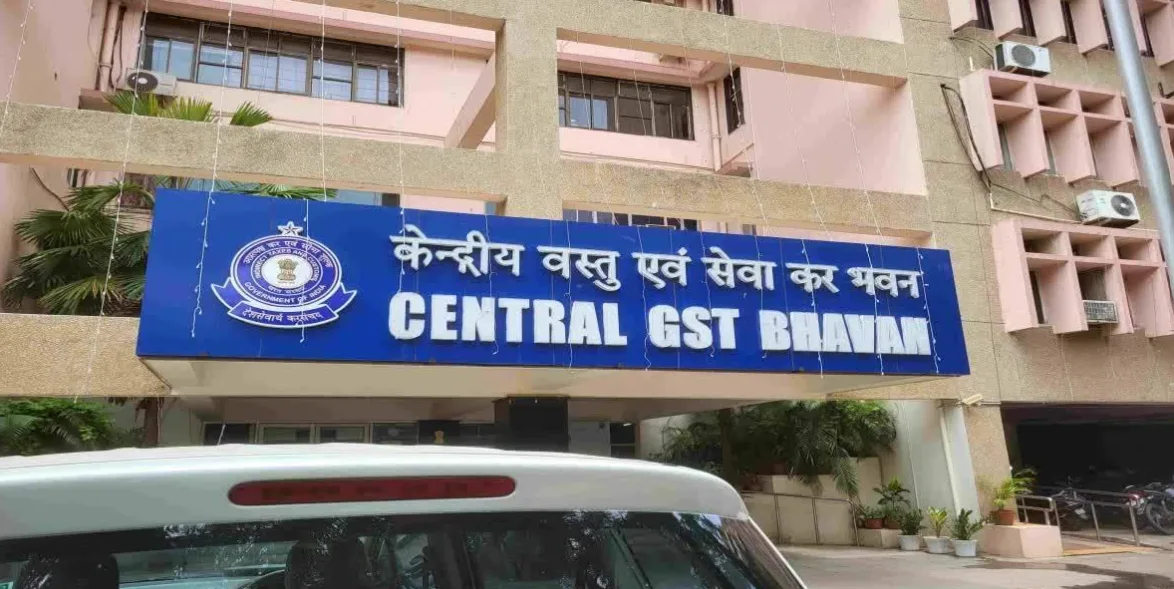
CBIC Directs GST Officers to Stop Arrests, Introduces Interim Enforcement Reforms
In a significant development in India's indirect taxation framework, the Central Board of Indirect Taxes and Customs (CBIC) has issued instructions dated October 30, 2026, directing its Central Goods and Services Tax (CGST) field formations to immediately discontinue arrests under the Goods and Services Tax (GST) law. The instructions seek to implement key recommendations of the 57th GST Council meeting held on October 8, 2026, even before the corresponding legislative amendments come into force.
Withdrawal of GST Arrest Powers
The CBIC has directed all CGST field formations that no further arrests should be carried out under the GST law. The GST Council had recommended withdrawing arrest powers by omitting Section 69 of the Central Goods and Services Tax Act, 2017, which empowers authorised officers to arrest individuals subject to the prescribed conditions and approval of the Commissioner.
Restrictions on E-Way Bill Inspections
The interim instructions also introduce safeguards against arbitrary interception of vehicles transporting goods. Such vehicles may be intercepted on the basis of specific intelligence and with written authorisation from an officer not below the rank of Joint Commissioner. The authorising officer must record reasons for believing that the transportation violates the CGST Act or the rules made thereunder.
Where neither the supplier nor the recipient falls within the jurisdiction of the intercepting officer, the vehicle and goods must ordinarily be allowed to proceed after verification, with relevant information forwarded to the appropriate jurisdictional authority. An exception applies where the conveyance has neither a valid e-way bill nor documents establishing the origin or destination of the goods, in which case inspection, detention or seizure may be undertaken as permitted by the instructions.
₹10,000 Minimum Threshold for Show-Cause Notices
Another important measure is the introduction of a minimum monetary threshold of ₹10,000 for issuing GST show-cause notices. The CBIC has instructed that such notices may not be issued where the total amount involved is below ₹10,000. The calculation includes amounts under the CGST, SGST, IGST and UTGST Acts, along with applicable GST compensation cess.
Interim Implementation Before Legislative Amendments
Although the GST Council had recommended that the legislative amendments should come into effect from April 1, 2027, the Central Government has decided to implement these measures administratively in the interim. The proposed reforms require amendments to the CGST Act and corresponding provisions of State GST laws.
The CBIC has also directed senior officers to monitor implementation and report any difficulties to the Board.
Significance
These measures represent a significant shift towards a more taxpayer-friendly GST enforcement framework. By restricting arrests, introducing safeguards for vehicle inspections and reducing low-value tax litigation, the reforms aim to promote voluntary compliance, reduce administrative hardship and improve the ease of doing business.
Source: CBIC instructions dated October 30, 2026, as reported by The Indian Express and Taxscan.