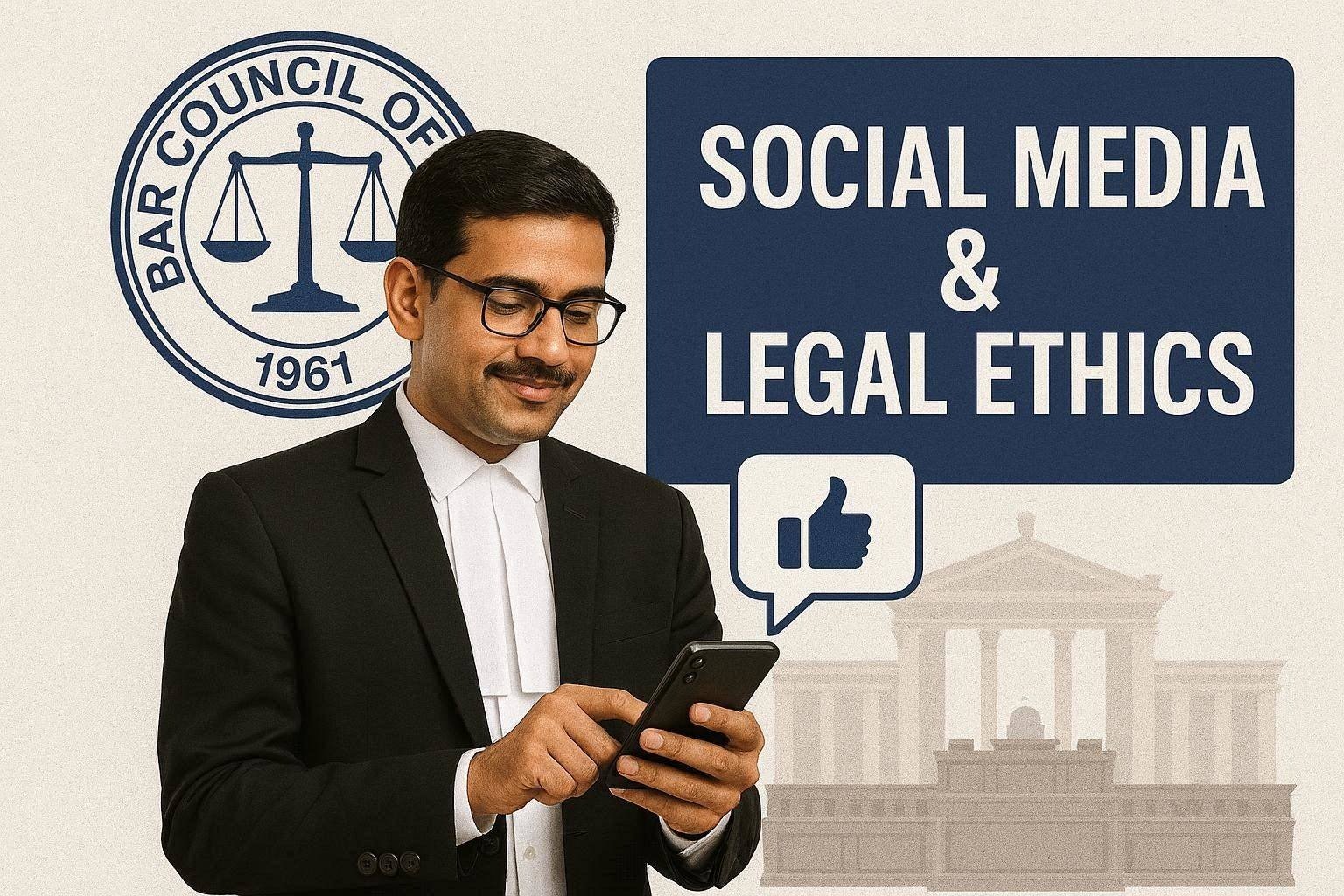
BCI Issues Circular To Regulate Advocates' Social Media Use, Warns Against Promotional Reels & Solicitation
The Bar Council of India (BCI) has issued a significant circular aimed at regulating the use of social media by advocates, law students, and legal interns. The circular comes amid growing concerns over the increasing use of digital platforms for professional promotion, client solicitation, and the creation of legal content that may undermine the dignity and ethics of the legal profession.
Reiterating that the legal profession is a public service and not a commercial enterprise, the BCI emphasized that advocates are prohibited from advertising their services or directly or indirectly soliciting legal work. According to the circular, social media posts that seek to attract clients through guaranteed outcomes, success claims, comparative superiority assertions, sensational thumbnails, or clickbait-style content may amount to unethical solicitation and professional misconduct.
The circular specifically cautions advocates against producing promotional reels, videos, photographs, and other content designed to market legal services. The BCI has expressed concern that such practices blur the distinction between professional legal practice and commercial advertising, potentially eroding public trust in the legal system.
In addition, the circular expressly discourages the creation of reels, videos, or photographs within court premises, courtrooms, bar rooms, corridors, chambers, and judicial buildings in a manner inconsistent with the dignity of the legal profession. The BCI observed that the growing trend of courtroom and internship-related social media content raises concerns regarding confidentiality, decorum, and respect for judicial institutions.
The guidelines extend beyond practicing advocates and apply to law students, interns, and legal researchers. The BCI clarified that internships are educational opportunities intended for learning and professional development, not for generating social media content or personal branding.
To strengthen compliance, the BCI has directed State Bar Councils and legal education institutions to implement digital ethics and social media guidelines immediately. Reports indicate that adherence undertakings may be incorporated into law school admissions and advocate enrollment processes.
The circular follows increasing scrutiny of digital solicitation by advocates and comes shortly after legal proceedings sought regulatory intervention regarding lawyers' use of social media for advertising and client acquisition. The BCI maintains that preserving professional independence, ethical conduct, and public confidence remains paramount in the evolving digital landscape.
Violations of the prescribed norms may attract disciplinary proceedings under the Advocates Act, 1961 and applicable Bar Council Rules governing professional conduct and etiquette.