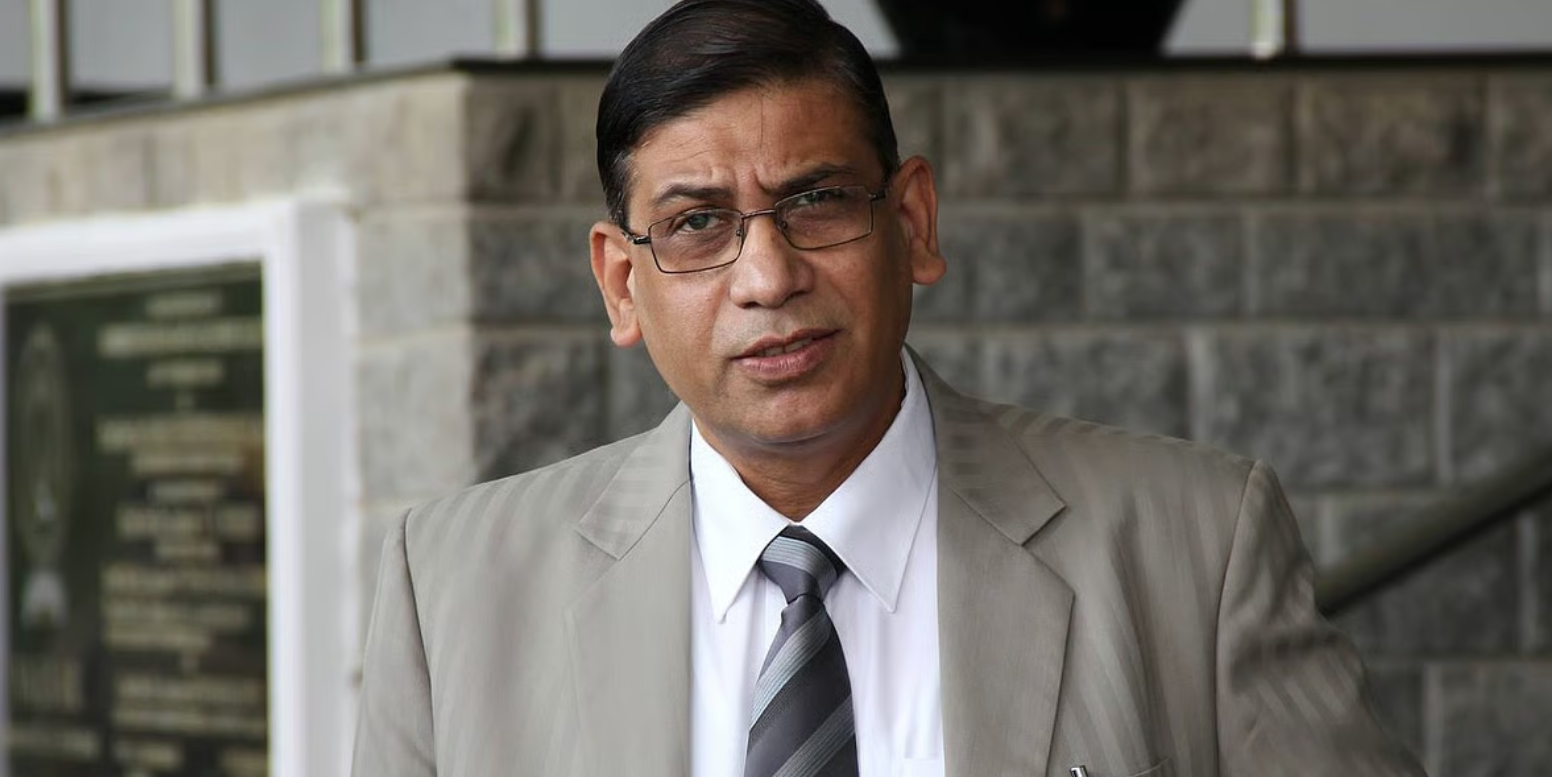
Professor Faizan Mustafa, Vice-Chancellor of Chanakya National Law University (CNLU) and former Vice-Chancellor of NALSAR University of Law, has stressed the importance of preserving freedom of speech and academic liberty within universities, particularly law schools.
Speaking during a webinar hosted by The Hindu on the theme of freedom of speech in law schools, Professor Mustafa argued that universities should function as liberating spaces where students and faculty are encouraged to question authority, challenge prevailing ideas, and engage in difficult conversations.
The discussion took place against the backdrop of recent controversies surrounding student protests and debates on freedom of expression within legal academia. While refraining from commenting directly on specific institutional decisions, Professor Mustafa criticized the prevailing governance structure of Indian universities, describing it as excessively centralized and vice-chancellor-centric.
According to him, knowledge creation cannot flourish in a controlled environment. He maintained that academic progress depends on the freedom to ask uncomfortable questions, challenge established norms, and foster open intellectual inquiry.
Drawing from his experience as an administrator at NALSAR and other universities, Professor Mustafa highlighted what he described as a “liberty model of administration,” under which students are provided greater freedom to debate, discuss, and express differing viewpoints. He recalled instances where students openly challenged university policies and administrators, viewing such engagement as an essential component of higher education.
Professor Mustafa further argued that law students, who are expected to defend constitutional liberties and advocate for others, must themselves be trained in an environment that respects freedom of expression. Restricting speech, he suggested, undermines the very skills that legal education seeks to cultivate.
He also linked academic freedom to the broader goal of improving the quality and global standing of Indian universities. According to him, faculty members should be free to pursue research in areas of their choice, publish independent scholarship, and express opinions without undue restrictions, while students should be encouraged to critically examine all ideas and institutions.
Concluding his remarks, Professor Mustafa reiterated that universities achieve their true purpose only when they remain open spaces for dialogue, dissent, and intellectual exploration. He emphasized that meaningful higher education requires an environment where diverse and even controversial viewpoints can be discussed rather than suppressed.