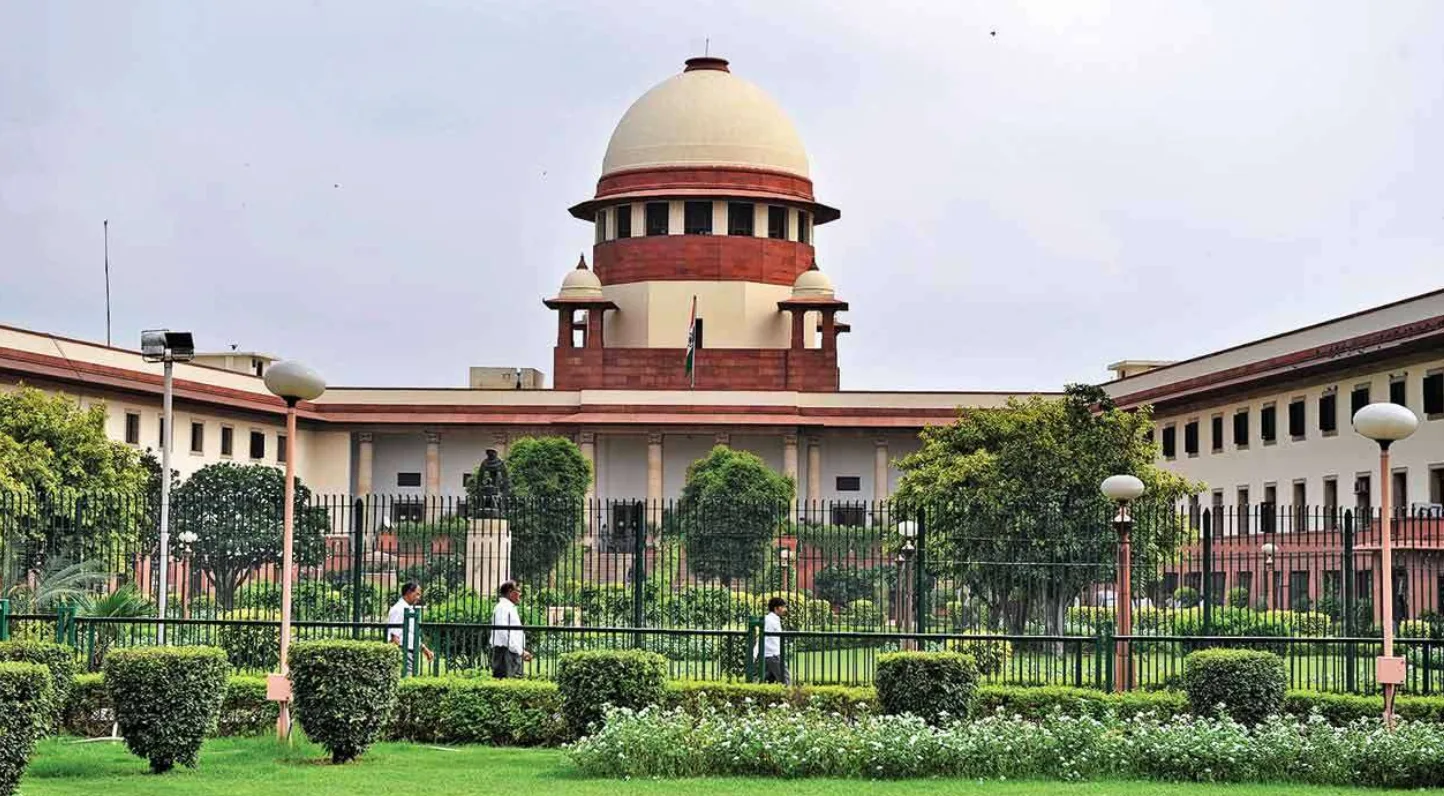
Supreme Court Upholds Telangana Government's Ownership of 550 Acres of Disputed Miyapur Land
The Supreme Court of India has dismissed a batch of civil appeals challenging the Telangana Government's ownership of approximately 550.39 acres of prime land situated in Miyapur village, Serilingampally Mandal, Rangareddy district, Hyderabad. In its judgment dated October 29, 2026, the Court upheld the earlier decision of the Andhra Pradesh High Court, bringing a long-running land ownership dispute to a significant legal conclusion.
A bench comprising Justice M.M. Sundresh and Justice Satish Chandra Sharma rejected the claims of several private individuals and cooperative housing societies seeking ownership over the disputed property, estimated by some reports to be worth approximately ₹25,000 crore.
Background of the Land Dispute
The dispute concerns land covered under Survey Nos. 100 and 101 of Miyapur village. The ownership claims originated from competing assertions based on historical grants, inheritance, alleged transfers, revenue records and other documentary evidence connected with former jagir estates during the Nizam's rule.
Government records dating back to a 1912 survey classified the disputed land as Sarkari Poramboke, indicating government land. Following the abolition of the jagir system in 1949, the disputed property vested in the State Government.
In 1997, the Special Court constituted under the Andhra Pradesh Land Grabbing (Prohibition) Act ruled in favour of the government. Subsequently, on April 16, 2003, the Andhra Pradesh High Court upheld the findings and recognised the State's ownership of the disputed property. The private claimants challenged the High Court's decision before the Supreme Court.
Supreme Court's Findings
The Supreme Court examined the historical records, alleged ownership documents, revenue entries and competing claims. It rejected the contention that historical jagir grants and subsequent transactions established valid private ownership over the disputed land.
The Court also examined disputed revenue entries recorded during the 1950s, which were relied upon by certain claimants to establish their ownership. The findings of the lower courts regarding unauthorised and fraudulent alterations in revenue records were upheld.
The judgment reinforces the principle that revenue entries, by themselves, do not create or confer ownership rights over immovable property. The Court also rejected the claims based on adverse possession and other alleged historical transfers.
Legal Significance of the Judgment
The ruling is significant for land administration, property ownership disputes and the protection of public assets. It highlights the importance of authentic historical land records, lawful transfers and valid documentary evidence in establishing title to immovable property.
It also reinforces that historical revenue grants and subsequent revenue entries cannot automatically establish ownership when the underlying legal title is absent or has already vested in the State.
Conclusion
By dismissing the appeals and upholding the Andhra Pradesh High Court's 2003 judgment, the Supreme Court has affirmed the Telangana Government's ownership of the disputed Miyapur land. The decision marks a major development in a prolonged property dispute and underscores the importance of protecting government land against fraudulent ownership claims.