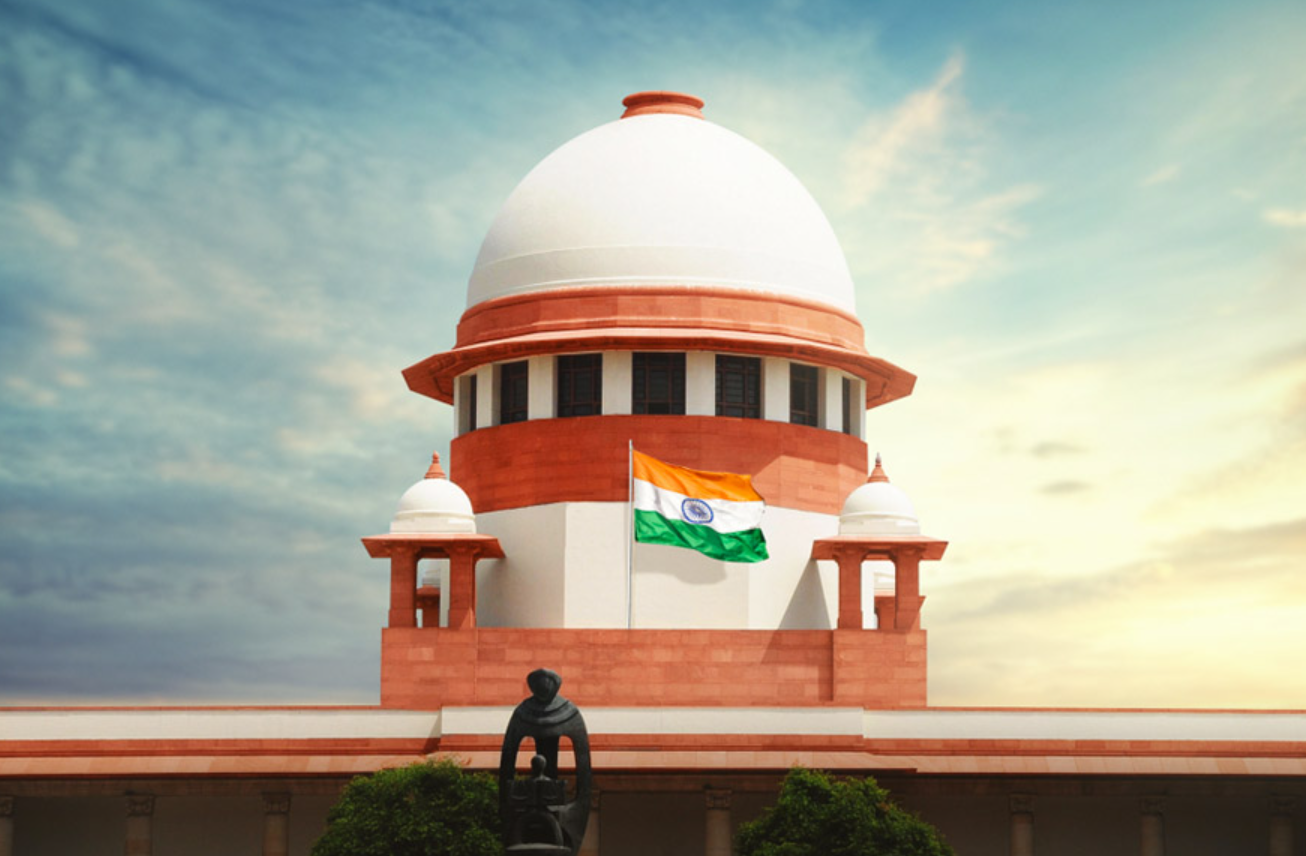
The Supreme Court of India is scheduled to hear a significant petition challenging the constitutional validity of provisions that permit political parties to receive anonymous cash donations below ₹2,000. The matter is expected to be heard by a Bench comprising Justices Vikram Nath and Sandeep Mehta.
The petition seeks the striking down of Clause (d) of Section 13A of the Income Tax Act, 1961, which currently exempts political parties from maintaining detailed records of contributors for cash donations below the prescribed threshold. The petitioner contends that the provision enables opacity in political financing and weakens electoral transparency.
According to the plea, political parties should be required to disclose the identity and particulars of every donor irrespective of the amount contributed. The petitioner has further sought directions to the Election Commission of India to scrutinize political parties' contribution reports and take action where donor information is incomplete or inaccurate.
The challenge draws support from the Supreme Court's landmark 2024 judgment striking down the Electoral Bonds Scheme. In that decision, the Court emphasized that voters possess a constitutional right to know the sources of political funding and that transparency is essential to democratic accountability.
The petition argues that permitting anonymous cash donations, even below ₹2,000, creates a loophole that may be exploited through fragmented contributions and undermines the objective of transparent political financing. It also seeks directions ensuring that political parties do not receive donations in cash and instead rely on traceable financial channels.
The outcome of the case could have far-reaching implications for electoral reforms, political accountability, and the regulation of political party finances in India. If the Court finds merit in the challenge, it may further strengthen disclosure requirements and reshape the framework governing political contributions.