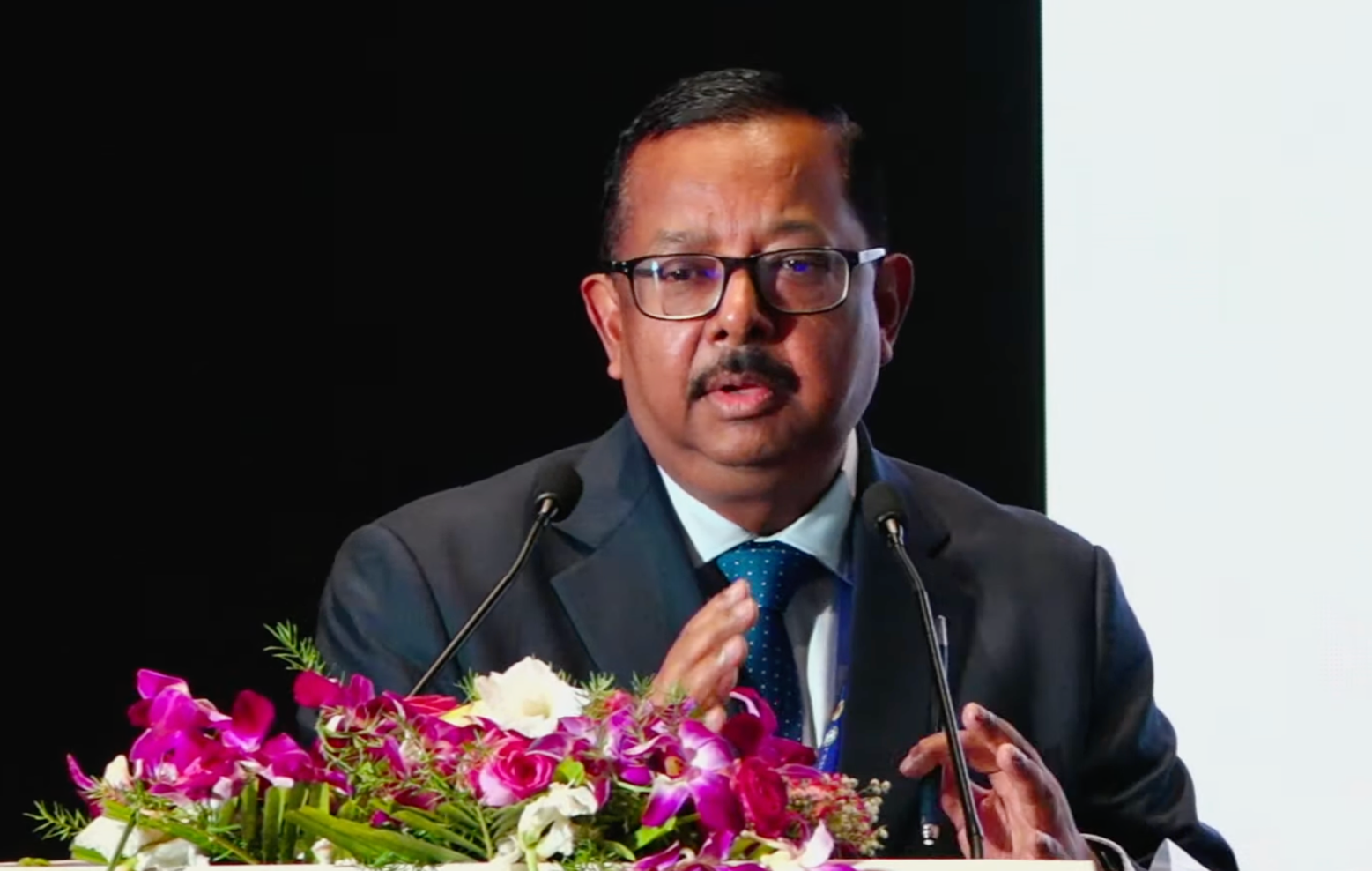
Supreme Court Justice Ujjal Bhuyan has reaffirmed the constitutional importance of free thought, dissent, and academic freedom, stating that students cannot be threatened or subjected to punitive action merely for expressing differing opinions or asking questions.
Speaking at the 13th Convocation of National Law University (NLU) Delhi's postgraduate programmes, Justice Bhuyan underscored that questioning authority is not an act of defiance but an essential aspect of citizenship, liberty, and constitutional responsibility.
The judge observed that universities must remain spaces where established ideas and positions can be examined, challenged, and debated without fear of retaliation. He stated that threatening students for raising questions or expressing alternative viewpoints amounts to a misuse of power and is inconsistent with constitutional principles.
Justice Bhuyan emphasized that the Constitution of India does not demand uniformity of thought. Instead, it provides a framework where individuals holding diverse beliefs, opinions, and convictions can coexist with equal dignity while participating meaningfully in democratic life.
Highlighting the role of tolerance in a democracy, he remarked that democratic societies are built on the acceptance of differences rather than conformity. According to him, disagreement and dissent are not obstacles to democracy but essential components that strengthen constitutional governance.
The Supreme Court judge further warned that intolerance undermines constitutional values and democratic institutions. He noted that an intolerant mindset is fundamentally at odds with the spirit of the Constitution, which protects freedom of expression, individual liberty, and the right to participate in public discourse.
Justice Bhuyan's remarks come amid ongoing discussions in academic and public circles regarding freedom of expression within educational institutions and the treatment of student dissent. His observations reinforce the constitutional commitment to safeguarding open dialogue, critical thinking, and the free exchange of ideas within universities.
The address serves as a reminder that constitutional democracy thrives when institutions encourage questioning, debate, and intellectual independence rather than suppressing differing viewpoints through coercive measures.