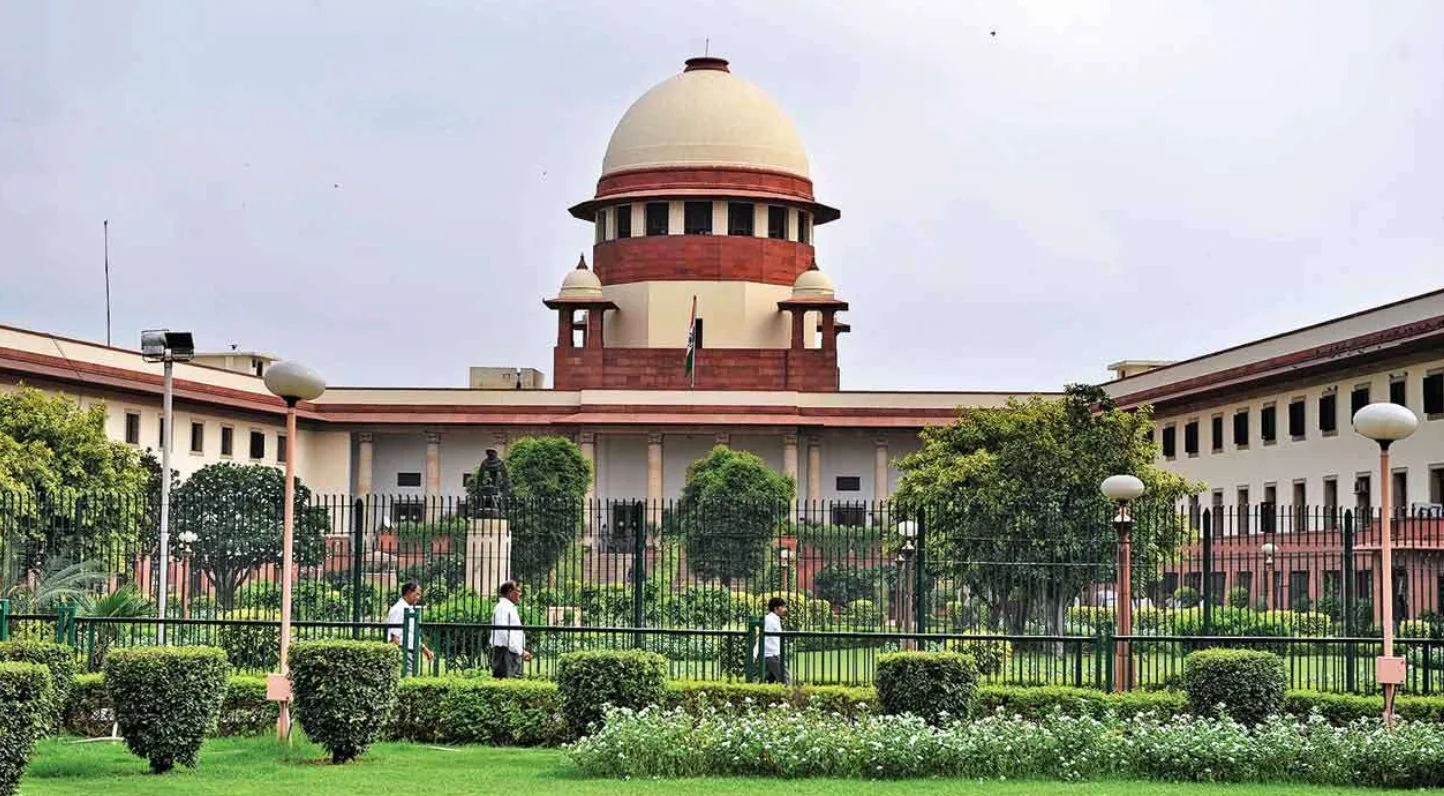
New Delhi, 26 October 2026: The Supreme Court of India has reserved its verdict on a petition challenging land acquisition for a development scheme in Ayodhya, Uttar Pradesh. The dispute concerns the extent to which statutory safeguards under the Right to Fair Compensation and Transparency in Land Acquisition, Rehabilitation and Resettlement Act, 2013, apply to acquisitions undertaken under a state housing development law.
A Bench comprising Chief Justice of India Surya Kant and Justices Joymalya Bagchi and V. Mohana reserved its verdict after hearing submissions from both sides in the appeal filed by Shri Saryu Nagar Vikas Samiti against an order of the Lucknow Bench of the Allahabad High Court.
Background of the Dispute
The dispute arises from land acquisition proceedings undertaken by the Uttar Pradesh Awas Evam Vikas Parishad under the Uttar Pradesh Awas Evam Vikas Parishad Adhiniyam, 1965. The acquisitions relate to housing and development schemes in Ayodhya.
On 6 August 2026, the Lucknow Bench of the Allahabad High Court directed the authorities to determine compensation, rehabilitation and resettlement benefits in accordance with the legal principles set out in its judgment, including the relevant protections under the 2013 land acquisition legislation.
The Shri Saryu Nagar Vikas Samiti challenged the High Court's decision, arguing that extending compensation and rehabilitation benefits alone would not adequately address the wider statutory safeguards applicable to compulsory land acquisition.
Social Impact Assessment and Landowners' Rights
Before the Supreme Court, the petitioner argued that the acquisition process must also account for safeguards relating to social impact assessment, the use of previously acquired land and restrictions concerning multi-crop agricultural land.
The petitioner questioned why the social impact assessment process, which had reportedly been initiated and subsequently discontinued, was not completed before proceeding with the disputed phase of the development scheme.
It was also argued that substantial portions of land acquired under earlier schemes remained unused, raising questions about the need for further acquisition. These figures formed part of the petitioner's submissions and should not be treated as independent findings by the Court.
Supreme Court's Observations
During the hearing, the Bench observed that social impact assessment could not be brushed aside lightly. At the same time, the Court cautioned that the process should not become an excessive obstacle to the State's development objectives.
The Bench also highlighted the importance of considering public interest, particularly where development projects were already underway. The proceedings therefore involved balancing the statutory protections available to affected landowners against the State's stated objectives for Ayodhya's development.
State Government's Arguments
Representing the State government and the concerned authorities, Additional Solicitor General Aishwarya Bhati submitted that the authorities were providing, or were in the process of providing, benefits available under the 2013 Act, including enhanced compensation and solatium.
The State argued that the development scheme formed part of a broader plan for Ayodhya and that the dispute should not unnecessarily delay the proposed development. It also maintained that the acquisition framework and the benefits extended to affected landowners had to be considered together.
Legal Significance
The case raises important questions about the relationship between state development legislation and the safeguards provided by central land acquisition legislation. In particular, it examines whether providing compensation, rehabilitation and resettlement benefits is sufficient when questions remain about procedural safeguards governing the acquisition itself.
The outcome may clarify the legal position concerning social impact assessment and other safeguards in acquisitions undertaken under state housing and development laws. It may also have implications for landowners affected by comparable development projects.
Current Status
The Supreme Court has reserved its verdict after hearing the parties. No final ruling on the issues raised in this appeal had been reported in the sources reviewed as of 26 October 2026.
Case: Shri Saryu Nagar Vikas Samiti v. State of Uttar Pradesh and Others.
Court: Supreme Court of India.
Relevant legislation: Right to Fair Compensation and Transparency in Land Acquisition, Rehabilitation and Resettlement Act, 2013; Uttar Pradesh Awas Evam Vikas Parishad Adhiniyam, 1965.
Source: India Today, Bar and Bench, and contemporaneous reports of the Supreme Court proceedings dated 26 October 2026.