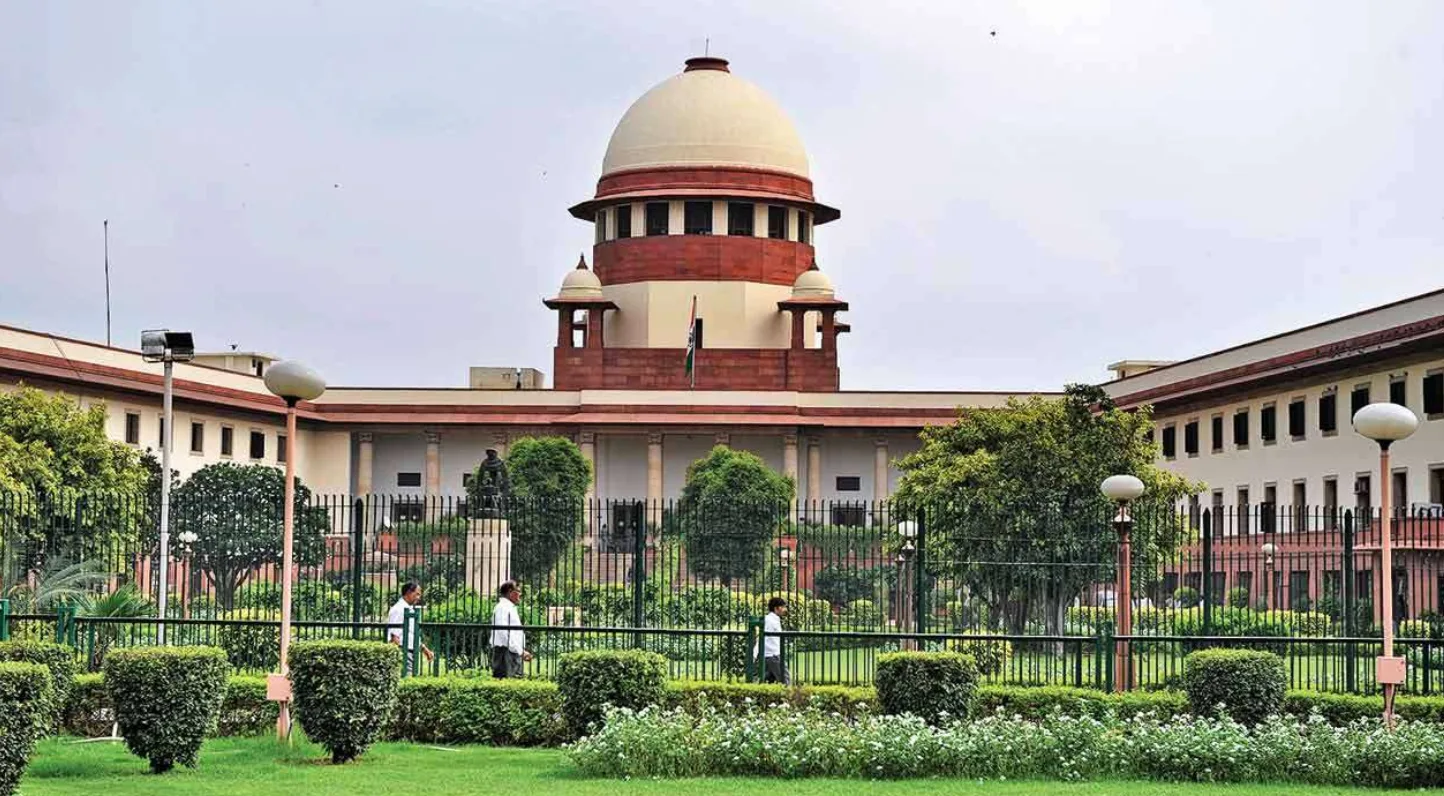
New Delhi, October 29, 2026: The Supreme Court of India questioned the Union Government and Delhi-NCR authorities over the implementation of firecracker restrictions, expressing concern that judicial directions were ineffective without proper enforcement on the ground.
A Bench comprising Justice M. M. Sundresh and Justice Prasanna B. Varale sought explanations regarding the measures taken after the Court's October 2025 order permitting the limited sale and use of approved green firecrackers under specified conditions. The proceedings focused on whether enforcement teams had been constituted, inspections conducted, prohibited products seized and prosecutions initiated against violators.
Court Seeks Accountability from Authorities
The Bench expressed concern over the absence of comprehensive enforcement data. It questioned the authorities about the locations inspected, dates of inspections, action taken against licence holders and the number of cases registered. The Court emphasised that judicial orders would have little practical value unless the implementing machinery operated effectively.
The authorities were asked to provide details of their enforcement measures, implementation difficulties and steps required to improve compliance. The Court also stressed the importance of monitoring whether previous restrictions had produced measurable improvements in air quality.
Balancing Environmental Protection and Festive Sentiments
The Court indicated that it was not inclined to impose a complete ban at that stage, while warning that continued non-compliance could compel it to adopt a stricter approach. The Bench recognised the significance of festival celebrations but highlighted the need to protect children, elderly people, persons with disabilities, individuals with illnesses, birds and animals from the harmful effects of pollution.
Rather than relying exclusively on prohibitions, the Court stressed effective enforcement against illegal sellers and traders. Measures discussed included inspections, prosecution of violators, cancellation of licences where legally justified, verification of green-cracker labels and QR codes, and wider public awareness campaigns.
Public Awareness and Pollution Monitoring
The Bench suggested using television, newspapers, educational institutions and respected public figures to communicate the environmental consequences of firecracker pollution. It also highlighted the importance of educating children and encouraging behavioural changes that could reduce pollution over time.
During the hearing, concerns were raised about gaps in air-quality monitoring and the absence of a comprehensive assessment of the previous year's conditional relaxation. The proceedings highlighted the importance of reliable data when evaluating environmental policies and determining whether regulatory measures are effective.
Legal Significance
The matter highlights the relationship between judicial directions, administrative accountability and environmental protection. It also raises questions about the effectiveness of regulatory enforcement under environmental law and the need to assess compliance through verifiable evidence rather than formal assurances alone.
The Court's observations should not be treated as a final ruling imposing a new blanket ban. The hearing focused substantially on enforcement failures and the need for an effective regulatory response. The Court indicated that it would pass a further order after considering the matter.
Source: LiveLaw reporting dated October 29, 2026, and NDTV reporting on the Supreme Court hearing.