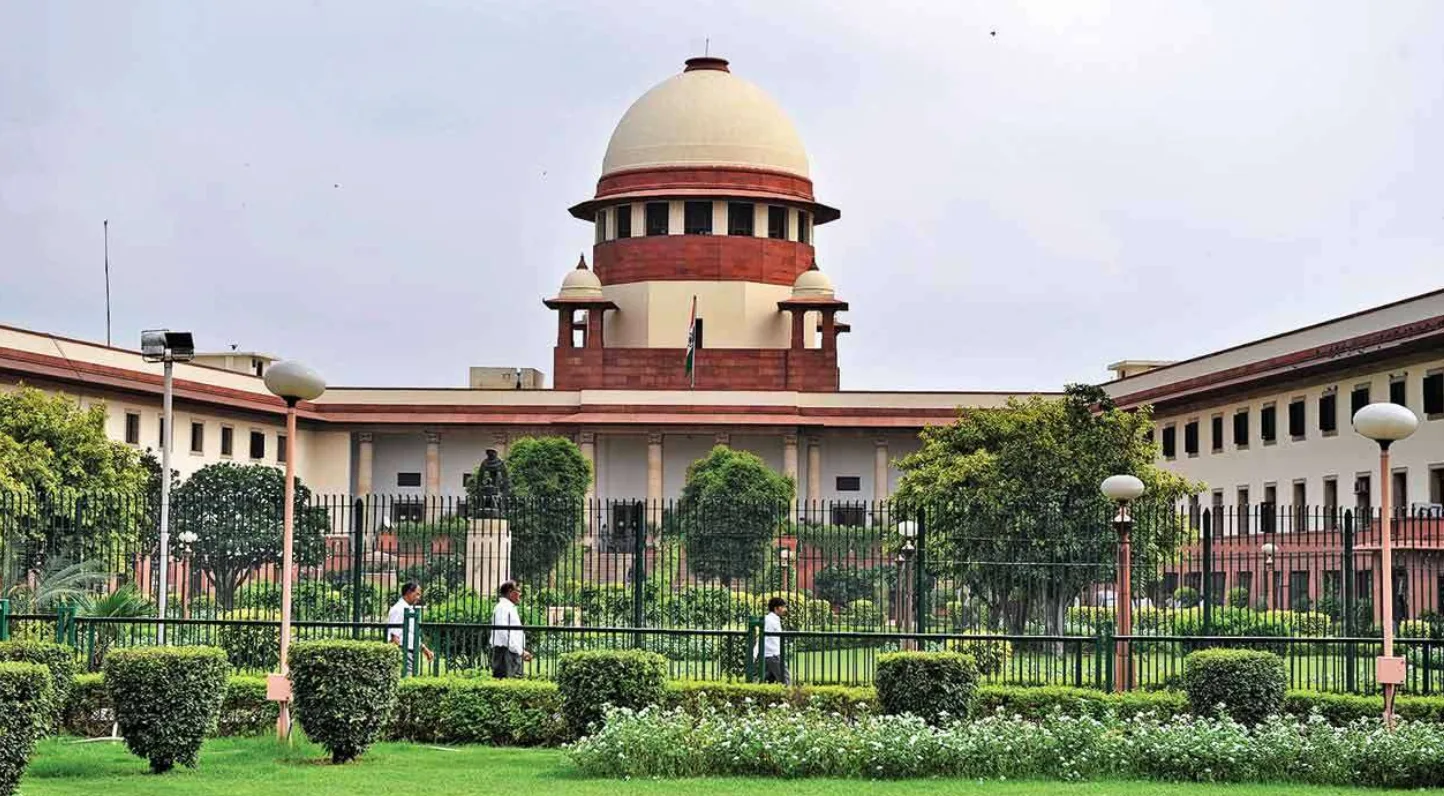
Supreme Court Proposes Nationwide Scrutiny of High Court Judgments Over Objectionable Remarks Against Women
New Delhi, November 16, 2026: The Supreme Court of India has proposed a nationwide exercise to examine High Court judgments and identify objectionable, stereotypical and gender-insensitive observations concerning women. The initiative aims to strengthen gender sensitivity in judicial pronouncements and ensure that court judgments uphold constitutional values of dignity and equality.
A Bench comprising Chief Justice of India Surya Kant and Justices Joymalya Bagchi and V. Mohana suggested that State Judicial Academies could survey judgments delivered by their respective High Courts and identify inappropriate observations. The exercise could subsequently lead to suo motu proceedings by the concerned High Courts to expunge objectionable remarks from judicial records.
Background: Patna High Court Judgment Under Scrutiny
The development arose during the hearing of suo motu proceedings concerning a July 9, 2026 judgment of the Patna High Court in Criminal Appeal (SJ) No. 775/2013.
The High Court had set aside the conviction of Himanshu Pathak in a 2008 sexual assault case. According to the prosecution, the accused allegedly confined a woman inside a photography studio, attempted to remove her salwar and pressed her chest.
While the trial court had convicted the accused of attempt to rape and wrongful confinement, the High Court concluded that the alleged acts established the offence of outraging the modesty of a woman under Section 354 of the Indian Penal Code rather than an attempt to commit rape.
The Supreme Court subsequently took suo motu cognisance of the matter on September 23, 2026, expressing concern over certain observations in the High Court judgment and issuing notice to the accused.
Supreme Court Considers a Nationwide Review Mechanism
During the November 16 hearing, Senior Advocate Shobha Gupta, assisting the Bench, highlighted that the issue was not restricted to the Patna High Court judgment. She drew attention to other judicial decisions containing potentially objectionable observations concerning women and urged the Court to consider a wider examination of such remarks.
Chief Justice Surya Kant suggested that State Judicial Academies across the country could examine judgments delivered by their respective High Courts and identify offending portions. The respective High Courts could thereafter be asked to initiate suo motu proceedings to consider expunging such observations.
The discussion also raised the broader question of how inappropriate observations in judicial decisions should be addressed without necessarily disturbing the substantive legal outcomes of those cases.
Constitutional Significance of Gender-Sensitive Judicial Language
Judicial pronouncements carry considerable institutional authority and influence public perceptions of justice. Gender-insensitive observations can undermine the dignity of litigants and reinforce discriminatory social stereotypes.
The proposed exercise is significant in the context of constitutional guarantees under Articles 14, 15 and 21 of the Constitution of India, which protect equality, prohibit discrimination and safeguard life and personal liberty, including human dignity.
It also highlights the importance of judicial accountability, sensitivity towards survivors of sexual offences and responsible language in court proceedings.
Current Status of the Proceedings
The Supreme Court has not yet issued a final nationwide direction establishing the proposed scrutiny mechanism. The Bench granted the accused one week's time to submit his response and deferred further consideration of the matter.
The proposal, if formally implemented, could provide a systematic mechanism for identifying and addressing objectionable observations in High Court judgments across the country.
Case: In Re: Order dated 09.07.2026 passed by the High Court of Judicature at Patna in Criminal Appeal (SJ) No. 775/2013 and Ancillary Issues.
Case Number: Suo Motu Writ Petition (Criminal) No. 5/2026.
Source: Bar & Bench and LiveLaw, November 16, 2026.