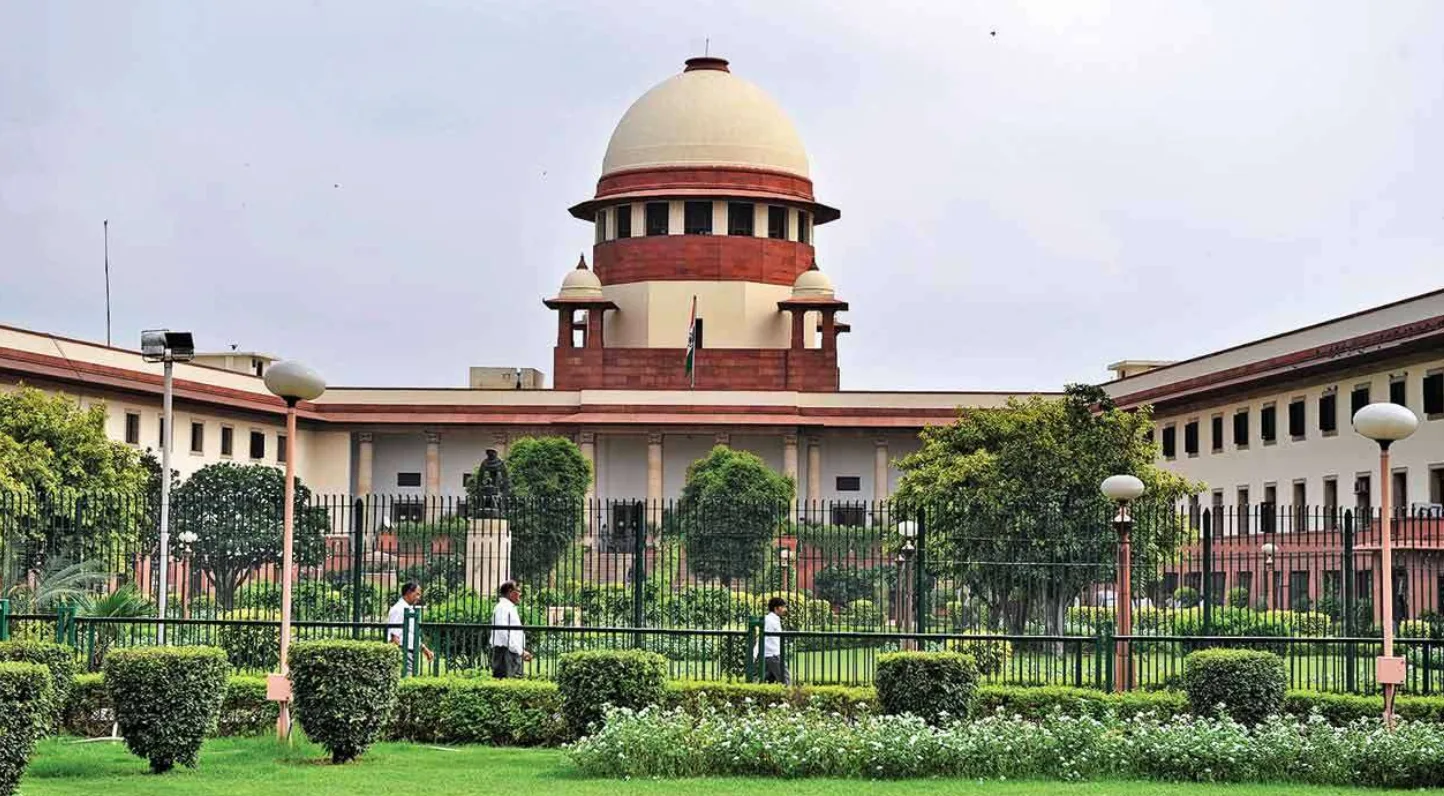
Supreme Court Directs Centre to Establish Special Cell for Monitoring Child Labour Law Enforcement
The Supreme Court of India has directed the Central Government to constitute a special cell under the Ministry of Women and Child Development to monitor the implementation of the Child and Adolescent Labour (Prohibition and Regulation) Act, 1986, including the amendments introduced in 2016. The direction aims to ensure strict enforcement of statutory protections available to children and adolescents across the country.
A Bench comprising Justice S.V.N. Bhatti and Justice N.V. Anjaria issued the directions on October 29, 2026, while disposing of a writ petition filed by the NGO Health For Millions in Health For Millions v. Union of India & Ors., W.P. (C) No. 501 of 2009.
Background of the Case
The petitioner had challenged the constitutional validity of certain provisions of the Child and Adolescent Labour (Prohibition and Regulation) Act, 1986, particularly the proviso to Section 3. The petition raised concerns regarding exceptions that permitted children to work in certain circumstances, including family-based activities and specified educational settings.
The NGO also sought directions requiring the Centre to provide educational facilities and two mid-day meals to children engaged in such work.
Supreme Court's Observations and Directions
During the proceedings, the Centre submitted that the amendments introduced through the Child Labour (Prohibition and Regulation) Amendment Act, 2016, had substantially addressed the concerns raised in the petition.
Although the Court concluded that the original prayers no longer survived for consideration, it emphasised that the authorities remained responsible for ensuring complete and strict compliance with the amended legislation.
The Bench specifically directed the concerned Ministry to:
- Constitute a special cell to monitor the implementation of the Act.
- Continuously oversee compliance with the statutory provisions.
- Issue necessary directions to enforcement agencies through the respective Chief Secretaries of the States.
- Ensure effective implementation of the amended child labour legislation to protect children and adolescents.
Significance of the 2016 Amendment
The Child Labour (Prohibition and Regulation) Amendment Act, 2016, strengthened the legal framework by prohibiting the employment of children below 14 years in all occupations and processes, subject to limited statutory exceptions. It also strengthened restrictions concerning adolescents employed in hazardous occupations and processes.
The Supreme Court's directions highlight that legislative amendments alone are insufficient unless supported by effective monitoring, administrative coordination and enforcement.
Conclusion
The decision reinforces the responsibility of the Central and State Governments to translate child protection legislation into effective enforcement. By directing the establishment of a dedicated monitoring cell, the Supreme Court has emphasised institutional accountability and the need to safeguard the rights of children and adolescents against unlawful employment.