Record of Default from Information Utility Is Sufficient to Admit Insolvency Petition; Company's Profitability No Bar: Supreme Court
✍️ By Roojhal Jain📅 27 Oct 2026👤 For: All Legal Professionals
The Supreme Court held that a record of default issued by an Information Utility (IU) is sufficient by itself to admit a petition under Section 7 of the Insolvency and Bankruptcy Code (IBC), and a company's overall profitability cannot bar the initiation of Corporate Insolvency Resolution Process (CIRP) upon established default.
⚖️ Case Details
Deepak Raheja v. Omkara Assets Reconstruction (P) Ltd.
Supreme Court of India
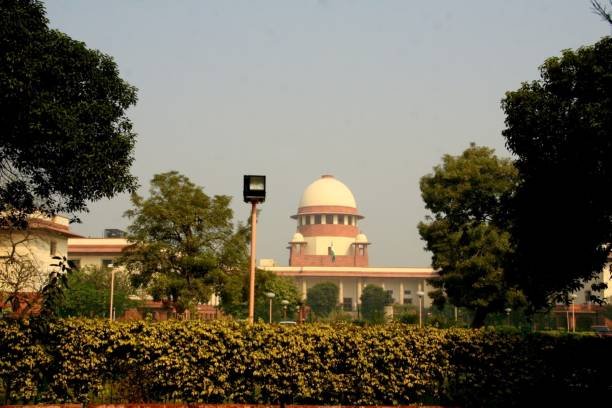
Supreme Court Bench
25 Oct 2026
2026 SCC OnLine SC 2184
Whether an insolvency petition under Section 7 IBC can be admitted solely based on an Information Utility record of default, and whether a company's profitability can bar CIRP initiation.
The Supreme Court of India delivered a definitive verdict streamlining corporate insolvency proceedings, ruling that adjudicating authorities must rely primarily on authenticated records of default when evaluating financial debt applications.
Evidentiary Value of Information Utility Records
A Bench of the Supreme Court examined the operational thresholds required for admitting insolvency petitions under Section 7 of the IBC.
Key Observations and Legal Principles
Conclusive Proof of Default: The Court reiterated that an official record of default from a registered Information Utility constitutes robust and sufficient evidence to establish default, eliminating the need for exhaustive forensic accounting or reconciliation by the adjudicating authority.
Profitability is Irrelevant to Default: The Bench firmly ruled that a company being profitable or financially sound on paper is no answer or legal defense against an established debt default under the Code.
The Supreme Court accordingly dismissed the challenge, upholding the admission of the insolvency petition.
📌 Held by the Court
The Supreme Court ruled that an Information Utility record of default is sufficient to admit the petition and that corporate profitability does not prevent CIRP.
⚡ Practical Impact
Accelerates the admission stage under IBC by preventing protracted disputes over account reconciliations when official default records exist.
🤖 Key Takeaway
Verified default records take precedence over general balance-sheet profitability arguments during Section 7 IBC admissions.
About the author:Roojhal Jain, Legal Content Writer, Lexnomik
Roojhal Jain is a legal content writer at Lexnomik. He writes case updates, legal news and explainers that help legal professionals see what changed and why it matters. His work follows Lexnomik's editorial policy of checking every item aga…