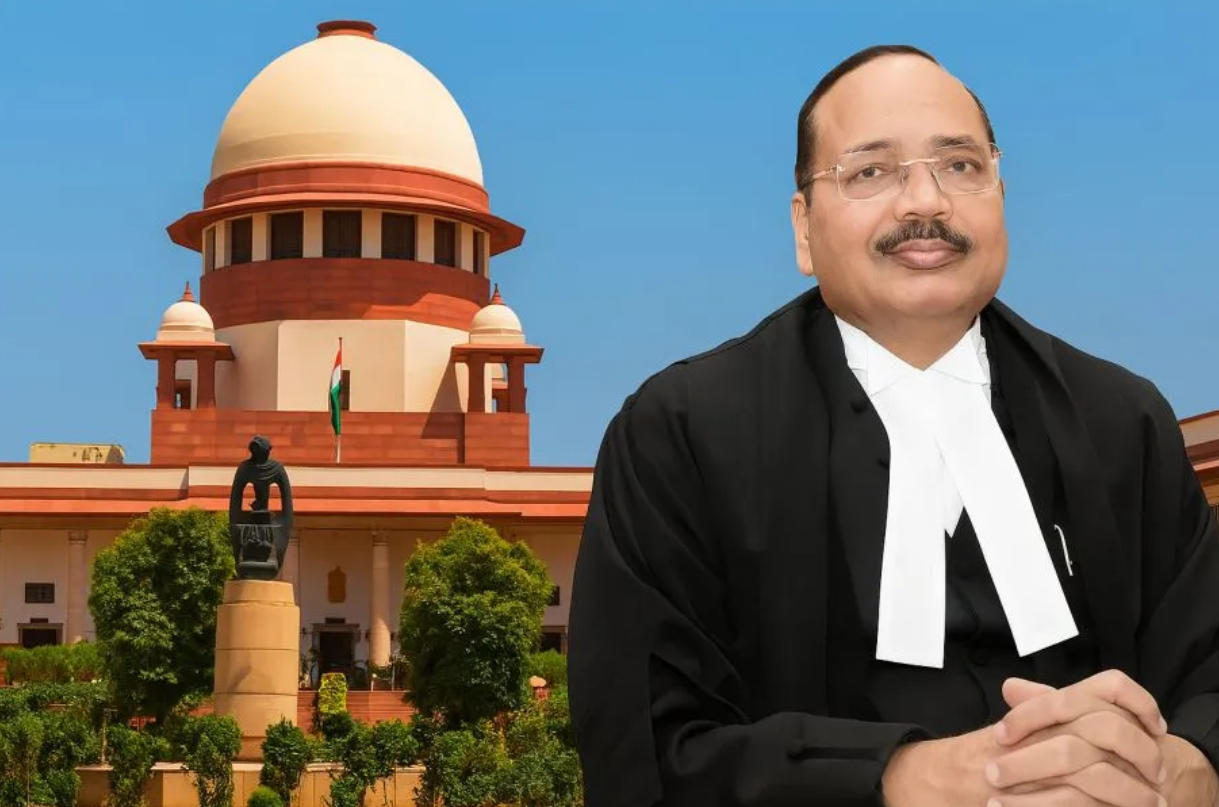
New Delhi: Chief Justice of India (CJI) Surya Kant has rejected media reports suggesting that the Supreme Court refused to urgently hear a petition concerning police action against students and protesters associated with the Cockroach Janta Party (CJP).
Addressing the controversy, the CJI clarified that no such petition had been formally filed before the Supreme Court. Consequently, the question of refusing an urgent hearing did not arise. He described reports claiming otherwise as "reckless" and misleading.
The clarification follows widespread media coverage of proceedings in which concerns regarding police action during recent protests were mentioned before the Court. Several reports had interpreted the Court's observations as a refusal to hear a petition on an urgent basis.
However, according to the CJI, the factual position was that no petition challenging the alleged police action had been filed in the Supreme Court. Therefore, attributing a refusal to grant urgent listing was inaccurate.
The episode has reignited discussions on responsible court reporting and the importance of accurately conveying judicial proceedings to the public. Legal observers note that inaccurate reporting of court proceedings can undermine public confidence in judicial institutions and create misconceptions about judicial responses to matters of public importance.
The clarification also highlights the distinction between oral mentions made before the Court and formally instituted proceedings. Unless a petition is filed and listed in accordance with procedural requirements, the Court cannot be said to have adjudicated or declined the matter.
The statement by the CJI serves as a reminder of the need for precision in legal journalism, particularly when reporting on constitutional courts and matters involving public protests, civil liberties, and allegations of police excesses.