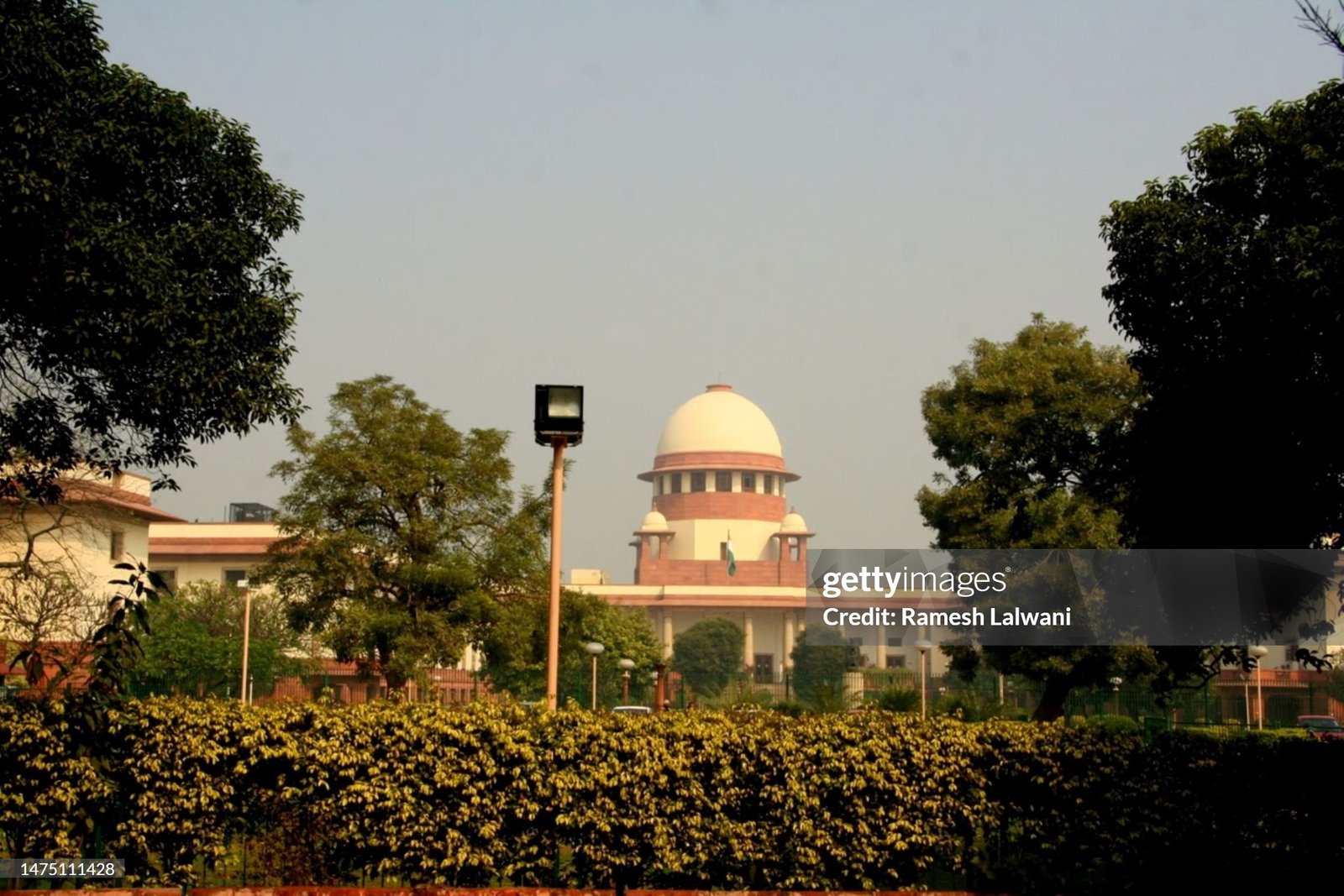
Case UpdateConstitutional Law📍 Supreme Court of India
Forced Temperance Drives Trade Underground' : Supreme Court Strikes Down Unreasonable Methanol Restrictions While Ordering Anti-Hooch Guidelines
The Supreme Court struck down Maharashtra's rules requiring methanol to be adulterated with colorants/bitterants, observing that complete alcohol bans often drive the trade underground and increase lethal hooch tragedies.
M/s Balaji Formalin Pvt. Ltd. & Anr. v. Union of India & Anr.
Supreme Court of India
Justice J.B. Pardiwala and Justice K. Vinod Chandran
18 Sep 2026
2026 LiveLaw (SC) 998 / Civil Appeal 2026
Whether state regulations forcing industrial methanol manufacturers to adulterate chemicals with colorants and bitterants violate fundamental trade rights under Article 19(1)(g), and how hooch tragedies should be regulated.
The Supreme Court of India has struck down provisions of the Maharashtra Poisons Rules requiring methanol to be mixed with specified colorants and bitterants prior to industrial sale, holding that such restrictions fail the constitutional tests of reasonableness and proportionality under Article 19(1)(g).
Court Warns Against 'Forced Temperance' and Hooch Tragedies
A Bench comprising Justice J.B. Pardiwala and Justice K. Vinod Chandran noted that while methanol is a hazardous chemical requiring regulation, forcing chemical adulteration does not curb the craving for alcohol and fails to prevent hooch tragedies.
Key Takeaways and Legal Principles
Prohibition Drives Underground Trade: Quoting Mark Twain, the Bench observed that complete alcohol prohibition often drives drunkenness "behind doors and into dark places," leading to illegal distillation, loss of tax revenue, enforcement corruption, and the proliferation of lethal brews.
Unconstitutional Restrictions: Requiring industrial methanol manufacturers to mix bitterants and dyes was held to lack a proximate, reasonable nexus with preventing spurious liquor consumption.
Directives for Strict Transportation Controls: Rather than forcing chemical changes, the Court ordered stricter regulatory measures on methanol storage and transportation, directing that vehicles seized for transport violations should not be routinely released on bond.
The Court further instructed states and Union Territories to set up specialized emergency medical cells to handle mass casualties during spurious liquor incidents.
📌 Held by the Court
Provisions struck down as unconstitutional. The Court held that strict transport/storage controls under excise laws—not forced industrial chemical adulteration—are the proper remedy to stop methanol diversion.
⚡ Practical Impact
Protects chemical manufacturers from arbitrary state-mandated adulteration rules while directing nationwide reforms in tracking hazardous substance transportation.
👔 For Lawyers & Advocates
Important precedent for constitutional law, administrative regulation, excise laws, and fundamental rights under Article 19.
📜 For Notaries
N/A
🤖 Key Takeaway
Regulatory restrictions on industrial substances must meet the test of proportionality; forced chemical modification is an unconstitutional burden on lawful business.