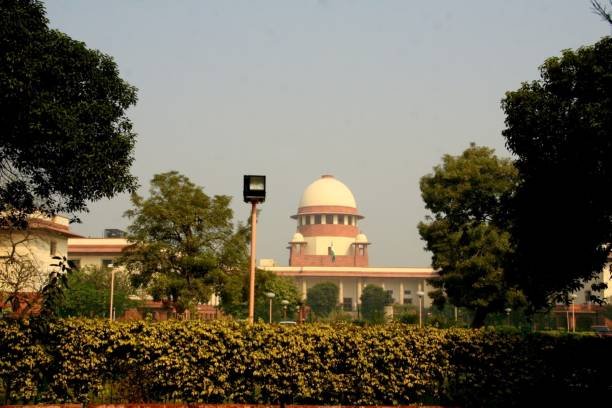
False Election Affidavit: Supreme Court Says Voters Can File Private Complaint Against Candidates Under Section 125A Representation of People Act
✍️ By Roojhal Jain📅 24 Oct 2026👤 For: All Legal Professionals📰 Source:
LiveLaw
The Supreme Court held that individual voters are legally empowered to file a private criminal complaint against election candidates for filing false affidavits under Section 125A of the Representation of the People Act, ruling that the strict procedural bars under Section 195 of the CrPC do not apply.
⚖️ Case Details
Sri Rajkumar Madki v. Dr. Shailendra Beldale
Supreme Court of India
Justice Dipankar Datta and Justice Sheel Nagu
16 Oct 2026
2026 LiveLaw (SC) / LawBeat Supreme Court Report
Whether a private individual/voter can file a criminal complaint against a candidate for filing a false election affidavit under Section 125A of the Representation of the People Act without getting trapped by Section 195 CrPC bars.
The Supreme Court of India on October 16, 2026, delivered an important electoral law ruling clarifying that citizens and voters can directly initiate criminal proceedings against candidates who file false declarations or conceal information in statutory election affidavits.
Maintainability of Private Complaints Under Section 125A
A Bench comprising Justice Dipankar Datta and Justice Sheel Nagu examined whether a voter's private complaint concerning a false election affidavit is barred by procedural technicalities under the Code of Criminal Procedure (CrPC).
Key Observations and Legal Principles
Exclusion of Section 195 CrPC Bar: The Court held that the procedural restrictions of Section 195 CrPC—which typically require a written complaint by a public servant or court for offences against public justice—do not apply to private complaints filed under Section 125A of the Representation of the People Act, 1951.
Electoral Transparency and Accountability: The Bench emphasized that ensuring purity of elections and absolute disclosure of candidate credentials is paramount, and voters cannot be rendered remediless against deliberate suppression of material facts in nomination forms.
The Supreme Court accordingly allowed the plea, setting aside contrary views and upholding the maintainability of private voter complaints.
📌 Held by the Court
The Supreme Court ruled that voters can file private criminal complaints under Section 125A of the RP Act and that Section 195 CrPC does not bar such actions.
⚡ Practical Impact
Empowers citizens and voters to directly hold electoral candidates accountable for false affidavits and non-disclosures without relying solely on state-initiated machinery.
👔 For Lawyers & Advocates
Vital precedent for election law practitioners, criminal lawyers, and public interest litigators.
🤖 Key Takeaway
Procedural bars under Section 195 CrPC do not restrict voters from prosecuting candidates who submit false declarations in statutory election affidavits.
About the author:Roojhal Jain, Legal Content Writer, Lexnomik
Roojhal Jain is a legal content writer at Lexnomik. He writes case updates, legal news and explainers that help legal professionals see what changed and why it matters. His work follows Lexnomik's editorial policy of checking every item aga…