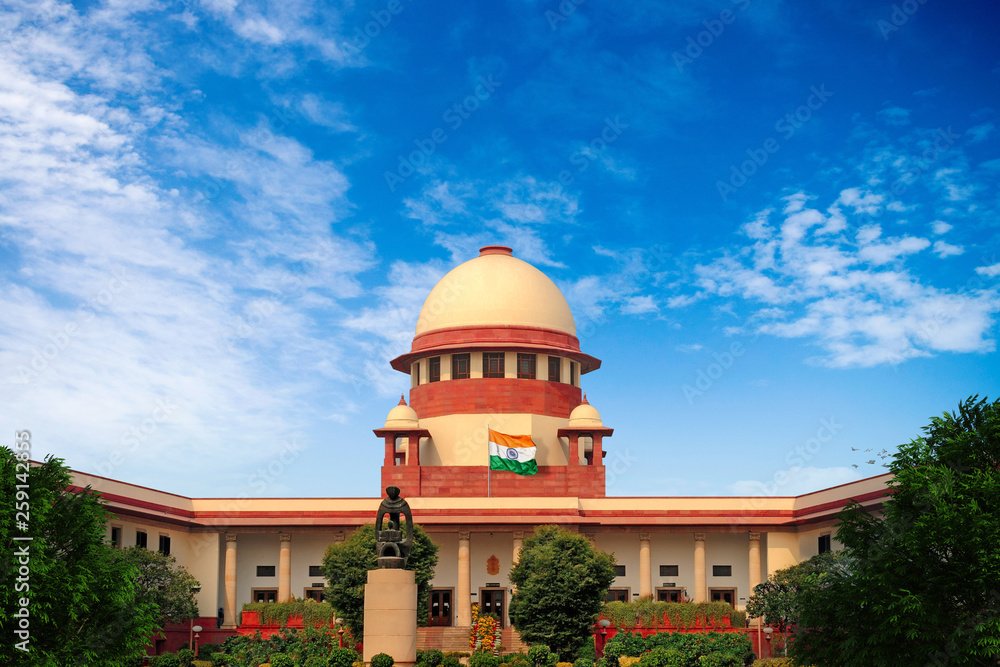
A Major Administrative Push for Mass Disposal
In a significant step toward tackling judicial pendency, a full court of the Supreme Court of India on July 15, 2026, resolved to fast-track 100 ready batch matters. This targeted administrative move is projected to result in the direct disposal of approximately 9,177 individual cases currently clogged in the system.
All identified batch matters will be systematically distributed and listed before appropriate benches for out-of-turn final hearings and disposal.
Supreme Court Judges to Join "Samadhan Samaroh"
Demonstrating a unified commitment to alternative dispute resolution (ADR), the full court resolved that all 35 judges of the apex court will actively participate in the ongoing Samadhan Samaroh. This special mediation and settlement drive is scheduled to culminate in a Special Lok Adalat slated for August 21, 22, and 23, 2026.
Streamlining Regular Hearings and Cause Lists
To establish a more predictable and uniform listing system once these batch matters are disposed of, the Supreme Court has outlined a series of structural reforms:
- Oldest Cases Prioritized: The oldest "after notice" cases will be systematically taken up for hearing on Tuesdays, Wednesdays, and Thursdays.
- Cause List Uniformity: A specialized committee of judges will be constituted to simplify the daily cause list and enforce strict chronological order (seriatim) in taking up cases.
- Mandatory Timelines for Counsel: Arguing advocates will now be required to furnish clear, binding timelines for their oral submissions in final hearing cases to prevent protracted oral arguments.
Virtual Options for Litigants in Person
The full court also addressed physical and technological accessibility for self-represented litigants. During initial interactions with the Registrar under Order IV Rule 1(c) of the Supreme Court Rules, 2013, parties-in-person will be given a clear option to appear virtually.
While those insisting on physical appearances will still be accommodated, the Court has made it clear that this will be subject to a strict condition: no live-streaming or video-recording of those specific proceedings will be permitted.