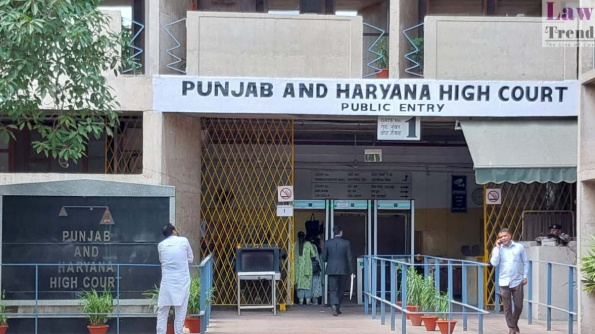
The Punjab & Haryana High Court has set aside the dismissal orders issued against two employees of the Shiromani Gurdwara Parbandhak Committee (SGPC), reaffirming the importance of procedural fairness in disciplinary proceedings.
Justice Namit Kumar observed that the alleged recovery of an intoxicating substance ("Bhuki") from the employees was not independently established during the departmental inquiry. The Court noted that disputed confessional statements, without corroborative evidence, could not form the sole basis for a finding of guilt.
The case originated from disciplinary action initiated against the employees, who were serving as a helper and a clerk with the SGPC. Following allegations relating to possession of an intoxicant, the employees were suspended and subsequently dismissed from service.
Upon reviewing the inquiry records, the High Court found significant procedural deficiencies. It held that the evidence relied upon by the disciplinary authorities failed to conclusively establish misconduct. The Court further emphasized that recommendations made by an Enquiry Officer or a Sub-Committee regarding punishment cannot substitute the statutory authority of the disciplinary authority.
The judgment reiterates that the power to impose punishment lies exclusively with the designated disciplinary authority and must be exercised independently after evaluating the evidence on record.
Accordingly, the High Court quashed the dismissal orders and granted relief to the petitioners, reinforcing established principles of natural justice and due process in employment-related disciplinary proceedings.
The ruling is expected to serve as an important precedent in cases involving departmental inquiries, evidentiary standards, and the limits of disciplinary powers exercised by institutional authorities.