A Paramount shareholder has filed a derivative lawsuit against technology billionaire Larry Ellison, Paramount Skydance CEO David Ellison, and other company directors, alleging breaches of fiduciary duty in connection with Paramount's proposed acquisition of Warner Bros. Discovery (WBD).
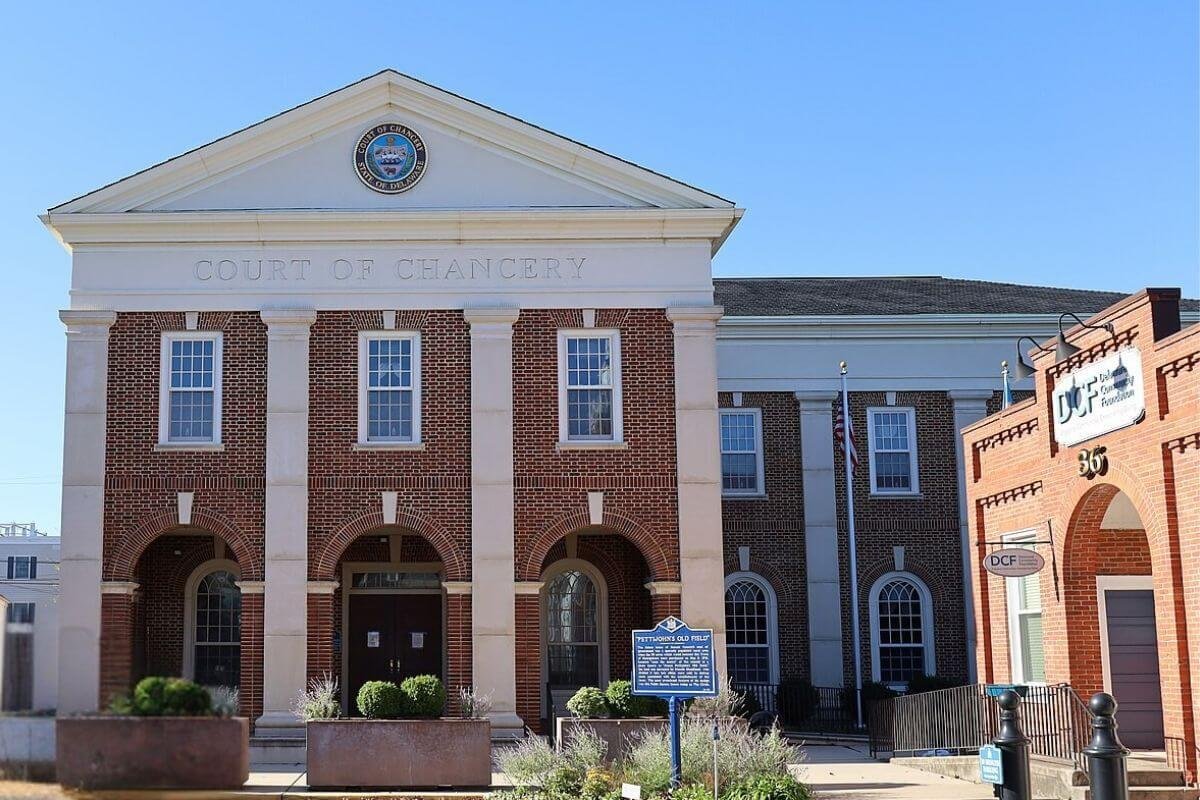
The lawsuit, filed in the Delaware Court of Chancery by shareholder Paul Robbins, claims that the defendants engaged in undisclosed negotiations with President Donald Trump and members of his administration to facilitate government approval of the multibillion-dollar media transaction.
According to the complaint, the Ellisons allegedly offered editorial and management changes at major news networks, including CNN, as part of efforts to obtain favorable regulatory treatment for the proposed merger. The complaint further alleges that commitments were made to remove media personalities viewed unfavorably by the Trump administration and to alter newsroom operations in exchange for support during the merger review process.
The plaintiff argues that such actions, if proven, would constitute breaches of fiduciary duties owed to shareholders and could expose the company to significant legal and reputational risks. The lawsuit also alleges that shareholders were not adequately informed about the existence of any such arrangements.
Paramount has strongly denied the allegations, describing them as recycled claims lacking merit. Company representatives maintain that the proposed Warner Bros. Discovery acquisition was pursued in compliance with applicable regulatory requirements and corporate governance standards.
The litigation emerges amid broader legal challenges facing the proposed transaction. Several U.S. state attorneys general have separately sought to block the merger on antitrust grounds, arguing that the combination could substantially reduce competition within the media and entertainment sector.
Legal observers note that the Delaware Chancery Court is a leading forum for corporate governance disputes and that the case could test the boundaries of director accountability, disclosure obligations, and political influence in merger approvals.
If the allegations proceed beyond preliminary stages, the litigation may result in extensive discovery concerning communications between company executives, government officials, and regulatory agencies involved in reviewing the transaction.
The case highlights growing scrutiny of corporate decision-making where business transactions intersect with political relationships and regulatory approvals. It also underscores the increasing role of shareholder litigation in challenging executive conduct during transformative corporate transactions.