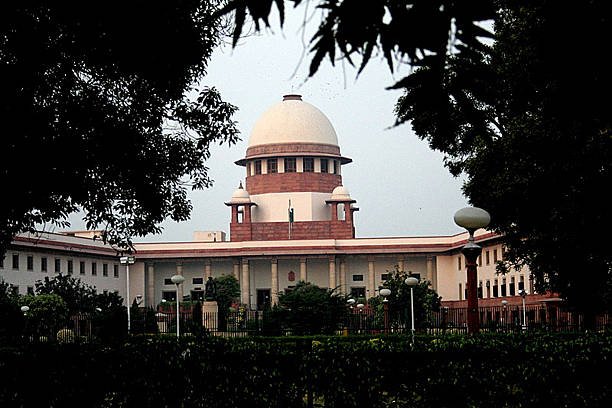
Case UpdateCorporate & Commercial📍 Supreme Court of India
Insider Trading Liability Requires Only Possession Of UPSI & Trading, 'Corporate Purpose' Defense Rejected: Supreme Court
The Supreme Court held that under the SEBI Prohibition of Insider Trading (PIT) Regulations, 2015, trading while in possession of unpublished price-sensitive information (UPSI) creates an automatic statutory presumption, rejecting the plea that share sales were done for corporate debt or working capital purposes.
📅 23 Aug 2026👤 For: All Legal Professionals📰 Source:
Bar and Bench👁 39 views
⚖️ Case Details
Securities and Exchange Board of India v. Rajeev Vasant Sheth & Ors. (Tara Jewels Matter)
Supreme Court of India
Justice Sanjay Karol and Justice N. Kotiswar Singh
11 Aug 2026
2026 Bar&Bench (SC); Civil Appeal
Whether the absence of a profit motive or utilizing sale proceeds for company working capital/debt infusion serves as a valid defense against insider trading charges under Regulation 4(1) of SEBI PIT Regulations, 2015.
The Supreme Court of India has ruled that under the SEBI (Prohibition of Insider Trading) Regulations, 2015, the mere possession of Unpublished Price Sensitive Information (UPSI) while executing a securities transaction is sufficient to establish insider trading liability.
Rejection of 'Corporate Purpose' and Lack of Profit Motive Defenses
A Bench comprising Justice Sanjay Karol and Justice N. Kotiswar Singh set aside an order of the Securities Appellate Tribunal (SAT) which had exonerated promoters who sold company shares during financial distress to infuse working capital back into the company.
The Court held that the note to Regulation 4(1) of the 2015 Regulations creates an explicit statutory presumption that trades executed while possessing UPSI are motivated by that knowledge:
Irrelevance of Motive: The reasons for which a person trades or the specific corporate purpose to which the sale proceeds are applied are irrelevant under the 2015 regulatory framework.
Distinction from 1992 Regulations: The Bench distinguished earlier precedents under the 1992 Regulations (such as Abhijit Rajan), clarifying that the subjective 'state of mind' or profit-motive defense does not survive the statutory text of the 2015 Regulations.
The judgment establishes a strict liability standard for insiders trading during UPSI windows unless they fall squarely within the narrow statutory provisos under Regulation 4(1).
📌 Held by the Court
Held that trading while in possession of UPSI attracts insider trading liability under the 2015 Regulations. Motive, end-use of funds, or corporate rescue intentions are irrelevant once trading during the UPSI window is established.
⚡ Practical Impact
Closes the "corporate purpose" loophole for promoter share sales, enforcing strict compliance on corporate insiders and directors during financial distress.
👔 For Lawyers & Advocates
Critical precedent for capital markets lawyers, securities litigators, SEBI compliance officers, and corporate boards regarding insider trading defense strategies.
🤖 Key Takeaway
Under Regulation 4(1) of the SEBI 2015 PIT Regulations, an insider's profit motive or application of sale proceeds to company rescue is legally irrelevant once trading while in possession of UPSI is proven.